
Why Fiber Networks Are Expanding Nationwide
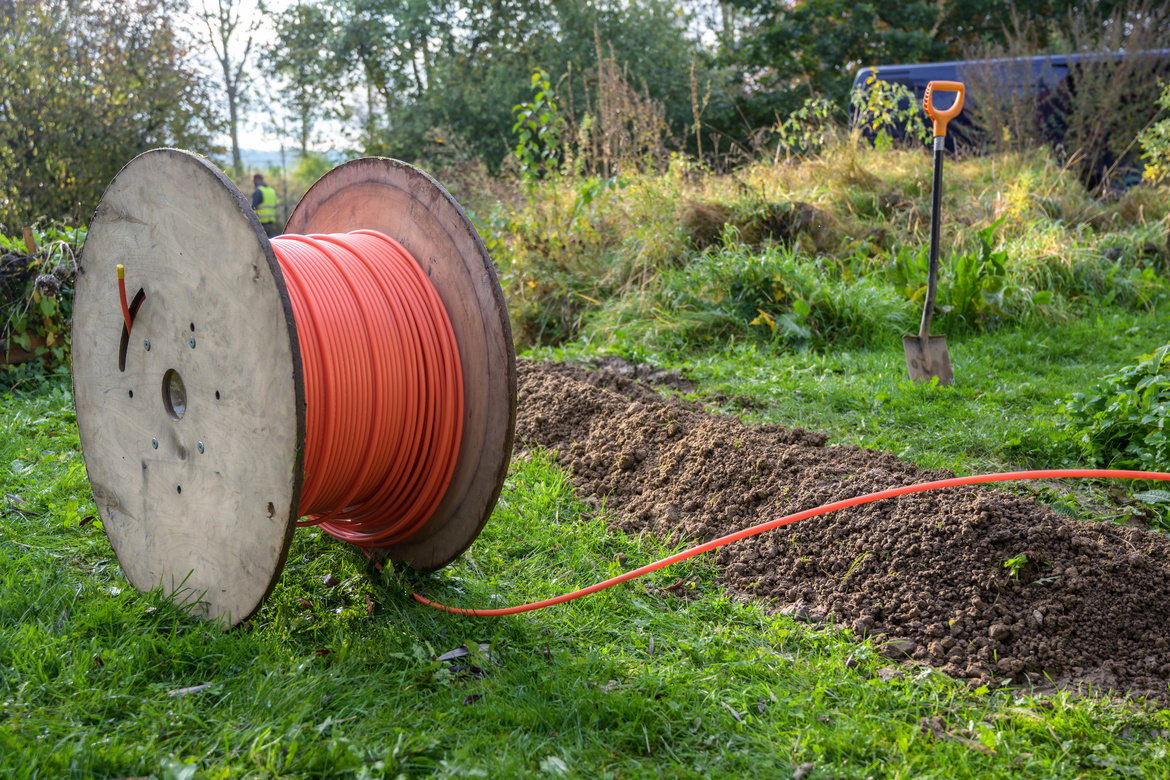
Fiber internet continues to spread across the country as demand for faster and more reliable connectivity grows. Gamers, remote workers, and tech enthusiasts all want stable connections that support modern digital lifestyles. Traditional copper networks struggle to keep up with today’s data-heavy applications.
As such, fiber networks solve this problem by delivering high-speed performance and greater reliability. Let’s look at why fiber networks are expanding nationwide and why it could enhance your digital experience.
Speed Demands Drive Fiber Expansion
Modern households use far more internet bandwidth than they did a decade ago. Streaming platforms, cloud services, and smart devices constantly exchange massive amounts of data. Internet providers expand fiber infrastructure because it handles these demands easily. Fiber delivers faster download and upload speeds than traditional cable or DSL.
Gamers and content creators especially notice the difference. Faster connections reduce latency and improve overall performance. Many players upgrade their internet because fiber connections can fix your video game lag during online matches. A stable connection allows smoother gameplay and better streaming quality.
Reliability Matters for Digital Life
Fiber networks also offer greater stability than older technologies. Copper cables suffer from interference and signal degradation over long distances. Fiber cables transmit data using light, which reduces disruption and maintains speed across longer routes. This reliability makes fiber ideal for homes, businesses, and data centers.
Reliable internet plays a major role in everyday productivity. Remote workers rely on consistent connections for video meetings and cloud collaboration. Students depend on stable networks for online learning platforms. Fiber networks support these activities without the slowdowns many users experience on legacy infrastructure.
Easier Installation Helps Expansion
Technology improvements have also made fiber deployment faster and more practical. Engineers continue to develop cable designs that simplify installation in neighborhoods and buildings. One example includes the installation benefits of flat drop fiber cables, which allow technicians to run fiber lines along tight spaces and building exteriors more easily. These innovations reduce installation time and lower overall deployment costs.
Internet providers can expand service areas more efficiently because of these advancements. Faster installation means providers can connect new homes and businesses sooner. Communities gain access to high-speed internet without long infrastructure delays. This momentum fuels the rapid growth of fiber networks nationwide.
Why Tech Enthusiasts Love Fiber
Fiber internet offers several advantages that excite tech-focused users. Strong connections support everything from competitive gaming to smart home systems. Faster speeds allow households to run multiple devices without slowing down the network. Many tech lovers view fiber as the future of internet connectivity.
Fiber continues to gain popularity for several other reasons, including:
- Extremely fast download and upload speeds.
- Lower latency for gaming and real-time applications.
- Strong reliability with minimal interference.
- Better performance for streaming and cloud computing.
- Long-term infrastructure built for future technology.
The Future of High-Speed Connectivity
Fiber networks will likely continue expanding nationwide as technology evolves. Cities, suburbs, and rural communities all seek stronger internet infrastructure. Governments and private companies invest heavily in fiber because digital access drives economic growth. Faster networks support innovation across industries.
Fiber internet represents the next step in connectivity for people who love technology. It powers gaming, streaming, development, and countless online experiences. As fiber networks spread nationwide, more people will enjoy faster and more reliable internet. The digital future looks brighter when the speed of light carries the data.