
The Latest Technological Trends in Mold Manufacturing: Shaping the Future of Production
Emerging Technologies in Mold Manufacturing
New tech is changing how molds are made. Let's look at some cool ways mold makers are using 3D printing, AI, and smart factory tools to work faster and better.
Additive Manufacturing and 3D Printing
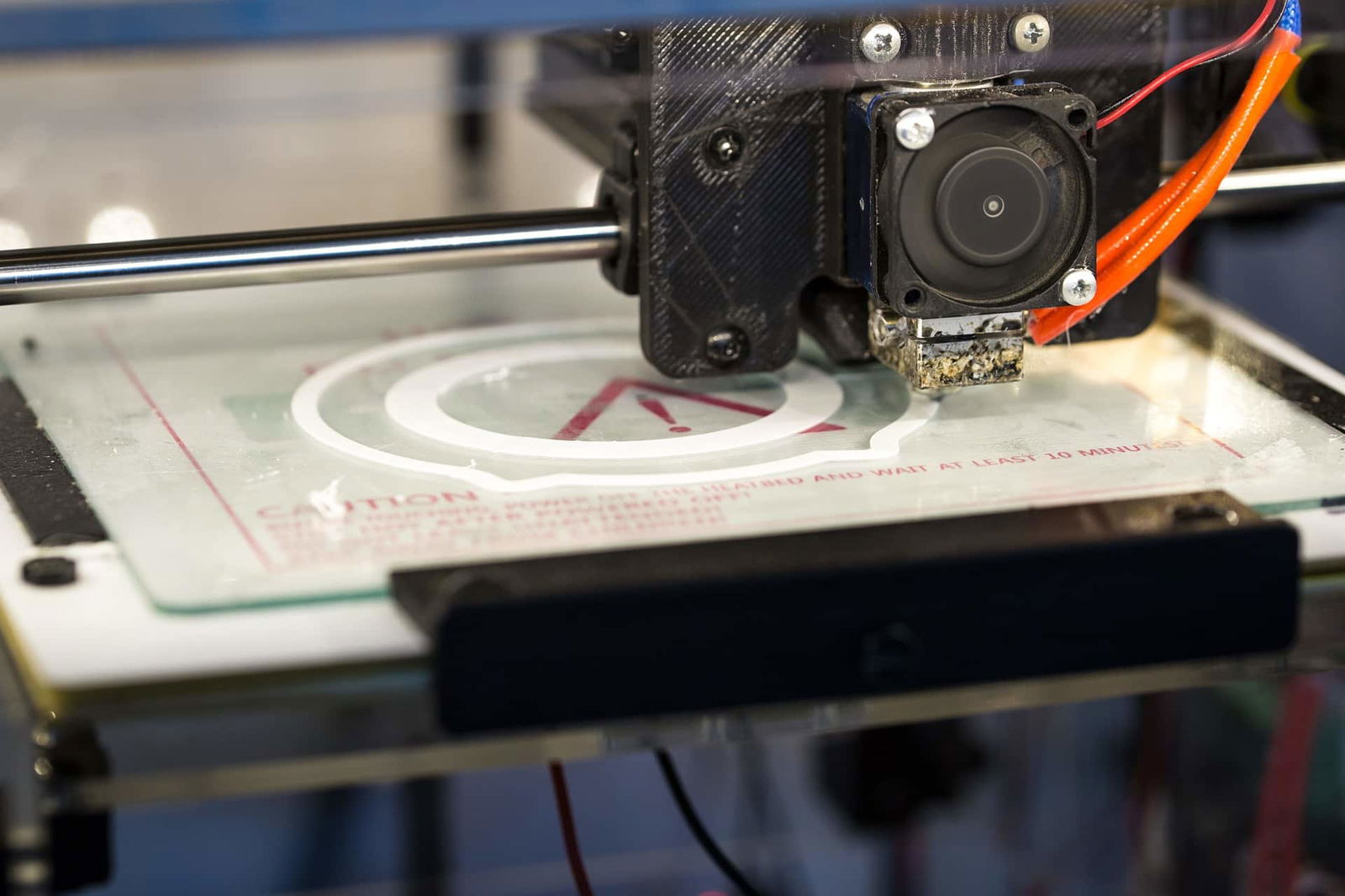
3D printing is shaking up mold making. You can now print mold parts right from a computer model. This cuts down on waste and saves time. Some benefits of 3D printing for molds:
- Make complex shapes that were hard before
- Print cooling channels inside the mold
- Create mold prototypes quickly
- Use less material than traditional methods
Metal 3D printing is getting better too. You might soon be able to print entire molds this way.
The Role of Artificial Intelligence
AI is making mold design and production smarter. Here's how:
- Design software that suggests improvements
- Predict when molds will need fixing
- Find the best way to make each part
- Check mold quality with computer vision
AI helps you catch problems early. This means less scrap and rework. Your molds can be more precise and last longer.
Adoption of Industry 4.0 and IoT
Smart factories are coming to mold making. You can connect your machines to the internet and collect data. This helps in many ways:
- Track how your machines are working
- Find ways to use less energy
- Get alerts when something's wrong
- Share info between design and production teams
With IoT, you always know what's happening on your shop floor. This makes it easier to meet deadlines and keep quality high.
Advancements in Mold Design and Simulation
New tools are making mold design and simulation faster and more precise. You can now create better molds with less trial and error.
CAD/CAM Software Developments
CAD/CAM software for mold design keeps getting better. You can now make complex 3D models quickly and easily. These programs help you spot problems early, saving time and money.
New features let you test different designs virtually. This means fewer physical prototypes. You can also share designs with your team online, speeding up the whole process.
Some software now uses AI to suggest improvements. It can point out weak spots or ways to use less material. This makes your molds stronger and cheaper to produce.
Enhanced Simulation for Precision
Mold simulations are now incredibly detailed. You can see exactly how plastic will flow and cool in your mold. This helps you avoid defects before making anything.
New simulation tools show you things like: • Where air might get trapped • How parts might warp as they cool • Where the mold might wear out fastest
These simulations act like digital twins of your real molds. You can test hundreds of scenarios quickly. This means you'll get the perfect design much faster than before.
Some programs even link to 3D printers. You can test small parts of your mold design right away. This combo of simulation and quick prototyping is a game-changer for mold makers.
Sustainability in Mold Production
Mold makers are embracing eco-friendly practices and materials to reduce their environmental impact. These efforts focus on using recycled materials and adopting greener manufacturing methods.
Utilization of Recycled Materials
You can now find molds made from recycled plastics and metals. Many companies are mixing recycled materials with virgin ones to create durable molds. This helps cut down on waste and saves resources.
Some mold makers use up to 30% recycled content in their products. They carefully test these materials to ensure they meet quality standards. You'll see recycled plastics in less critical mold components, while recycled metals often go into mold bases.
Using recycled materials can lower costs and appeal to eco-conscious customers. It's a win-win for both business and the planet.
Eco-Friendly Manufacturing Practices
You'll find mold shops adopting cleaner production methods. Energy-efficient machines and LED lighting reduce power use. Some facilities even use solar panels to generate their own electricity.
Water recycling systems help cut down on waste. Mold makers also use less harmful cleaning agents and lubricants. These changes protect workers and the environment.
3D printing is becoming popular for making mold prototypes. This process creates less waste than traditional methods. It also allows for quicker design changes, saving time and materials.
By embracing these practices, mold makers are creating a more sustainable future for the industry.
Enhancing Production Efficiency and Quality
New tools and methods are making mold manufacturing faster and better. You'll see how automation and advanced tooling can improve your production.
Automation in Manufacturing
Robots and smart machines are changing mold shops. You can use them to load materials, remove finished parts, and even do some machining. This cuts down on manual work and helps you make more molds in less time.
Automated systems also reduce errors. They work tirelessly and precisely, leading to fewer mistakes. You'll see better consistency in your molds, which means higher quality products for your customers.
Some shops are using collaborative robots. These “cobots” work safely alongside humans. They can handle repetitive tasks while your skilled workers focus on complex jobs.
Quality Solutions with Advanced Tooling
Better tools mean better molds. New cutting tools last longer and can work faster. This helps you finish molds quicker without losing quality.
Advanced coatings on tools improve surface finish. Your molds will have smoother surfaces, which leads to better-looking final products.
Smart tools with sensors can tell you when they're wearing out. This helps prevent sudden breakdowns that could ruin a mold. You'll have less downtime and more predictable production schedules.
3D printing is also changing tooling. You can make complex inserts or cooling channels that weren't possible before. This can improve how your molds function and last longer.
Custom Solutions and Specialized Applications
Mold makers are creating tailored solutions to meet unique industry needs. Advanced technologies allow for precise customization in medical devices and electronics manufacturing.
Customization for Unique Needs
You can now get molds designed just for your product. Mold makers use computer programs to create special shapes and sizes. This helps you make parts that fit perfectly in your devices.
3D printing lets you test designs quickly. You can see and touch a sample before making the final mold. This saves time and money on changes later.
New cutting tools let mold makers work with tough materials. They can make tiny details in hard metals. This is great for parts that need to be very strong or precise.
Medical Devices and Electronics Manufacturing
Mold makers are helping create better medical tools. They use clean rooms to make molds for things that go inside the body. This keeps germs out of the final product.
For electronics, you can get molds that make super small parts. These fit in phones and computers. The molds have smooth surfaces to make shiny plastic cases.
Robots now help make molds faster and more accurately. They can work 24 hours a day without getting tired. This means you get your molds quicker and they fit together better.
Molding Process Innovations
Mold makers are always looking for ways to make better parts faster. New technologies are changing how molds work and what they can do. Let's look at some exciting advances in molding.
Conformal Cooling Techniques
Conformal cooling is a game-changer for injection molding. It uses special channels that follow the shape of the part. This helps cool the plastic more evenly and quickly.
You can make these channels with 3D printing. The cooling lines get closer to the part surface. This cuts down cycle times by up to 40%.
Better cooling also means fewer defects. Your parts come out looking great with less warping. And you can make more parts in less time.
Some molds now use bubblers or baffles too. These create turbulence in the coolant. This moves heat away even faster.
Multi-Material and Overmolding Strategies
Multi-material molding lets you combine different plastics in one part. You can mix hard and soft materials or different colors. This opens up new design options for you.
Overmolding adds a layer on top of another part. It's great for making grips or seals. You can even overmold metal parts with plastic.
New mold designs make these processes easier. Some use rotating mold sections. Others have multiple injection points.
Computer controls help time everything just right. This ensures good bonding between materials. You get complex parts in fewer steps. These methods can replace assembly. Your products are stronger and cost less to make.