
John Rose on the Silence After the Siren: Why First Responder Debrief Protocols Are Failing
The call comes in just before three in the morning. A child is not breathing. The crew runs the protocol, drives faster than they should, does the work. Sometimes the child lives. Sometimes the child does not. By the time the paperwork clears, the next call is already waiting, and nobody on the truck has been asked a single question about what just happened.
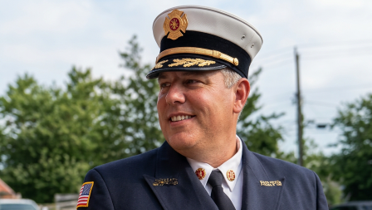
For John Rose, that scene is not a hypothetical. As Fire and EMS Chief in Oak Bluffs, Massachusetts, and a paramedic with decades on Martha’s Vineyard, Rose says, “We see that pattern repeat itself again and again.” The work gets done. The toll is invisible. And the protocol that is supposed to catch the people doing the work is failing in plain sight.
“We tell ourselves silence is professionalism. It isn’t. It’s a structural failure, and it is killing people who spent their lives saving other people.”
A protocol that exists on paper
Critical incident stress debriefing is not a new idea. Most American fire and EMS departments reference it in their operations manuals. In practice, Rose says, the model has been hollowed out by three problems that every working paramedic and firefighter recognizes immediately.
The first is time. A three-truck department running back-to-back transfers and 911 emergency calls does not have a quiet hour to sit in a circle and process what just happened. The crews on Martha’s Vineyard, who run long-distance transfers from the island hospital to Massachusetts General, often finish a shift with no operational gap long enough for a real conversation.
The second is culture. Younger members who use the system learn quickly that their names start to carry an asterisk. Promotions get quieter. Conversations stop in the kitchen. The lesson is absorbed and passed down.
“You don’t talk about it. You drink about it, you joke about it, you carry it home. But you do not bring it to work.”
The third is leadership. When debriefs do happen, the volunteers who carry these departments rarely get a real debrief at all, and the people running the sessions have not done the job themselves. The vocabulary is wrong. The trust is not there. The session ends, and nothing actually moves.
The cost the public never sees
The consequences of a broken debrief system show up in numbers that have been tracked for years. Suicide rates among firefighters and paramedics run higher than the general population. Marriages end. Careers that should last to sixty end at forty-five. Departments lose institutional knowledge that they cannot afford to replace.
Rose has watched the math play out in New England towns where a department of forty volunteers two decades ago now fields less than half that amount, just twelve, most of them over fifty. Communities pay to train a paramedic for a decade and then watch that paramedic burn out because no one built a system to catch them.
“Every chief who has stood at a funeral for one of their own and said the right things in front of the cameras knows what I am talking about.”
A model that would actually work
The fix, according to Rose, is not complicated and does not require new science. It requires budget, political will, and leaders willing to break the silence first.
He outlines a four-part model. Mandatory, paid, off-duty debriefing within seventy-two hours of any critical incident, with the category defined clearly. Pediatric death. Line-of-duty injury. Mass casualty. Suicide. Any call involving a colleague’s family. Not optional. Built into the schedule the same way physical fitness checks are.
Peer support teams led by working firefighters and paramedics with clinical backup, rather than the reverse. The order matters, Rose says. The person at the front of the room has to have been on the trucks.
Annual psychological wellness checks for every member of the department, treated with the same routine seriousness as a hearing test. No one loses a job because of the result. The check is the standard, and the standard applies to everyone, the chief included.
Family inclusion. Spouses and partners absorb a significant portion of the long-term load and have almost no formal support. A department that runs quarterly family sessions builds resilience that pays back for years.
What the next call costs
Rose has seen the consequences of doing nothing up close, in colleagues he has worked with for thirty years. The job, he says, is hard enough on its own.
“The siren stops. The radio goes quiet. That is the moment the work actually begins. Right now, in most of the country, nobody is doing it.”
On Martha’s Vineyard, where Rose still works the trucks, the calls keep coming. So does the case for changing what happens after.