
Building a Powerful Backlink Strategy: Proven Techniques for Sustainable SEO Growth
Why Backlinks Matter in Today’s Digital Landscape
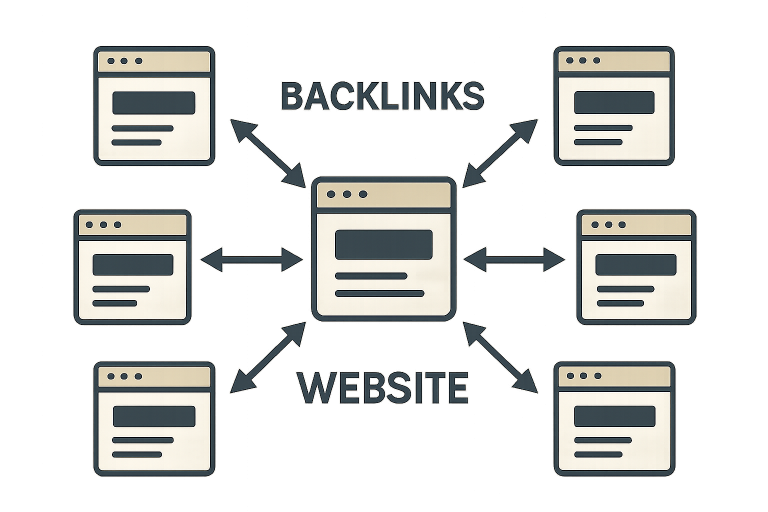
In the ever-changing realm of search engine optimization, backlinks remain one of the most influential signals that search engines use to gauge a website's authority and relevance. High-quality backlinks act as endorsements for your site's content, helping it to stand out in search rankings amid increasing competition. In fact, numerous studies and frequent updates to Google’s algorithm reinforce the importance of backlinks as a trusted metric for evaluating site trustworthiness and value.
Investing in expert link building services can provide much-needed leverage for businesses looking to accelerate search visibility and improve organic traffic. These services utilize proven tactics to acquire authoritative links, amplify your brand’s visibility, and create a foundation for long-term SEO growth. By working with experienced professionals, you can avoid common pitfalls and ensure your backlink profile aligns with search engine best practices.
As digital competition intensifies, even well-designed websites struggle to achieve significant organic traffic without a strategic backlink strategy. Modern search engines, including Google and Bing, continually analyze backlink profiles to determine which pages deserve top-ranking positions. Keeping up with evolving search requirements is about good content and demonstrating relevance and authority across the web.
The distinction between leading and lagging competitors often comes down to the depth and quality of their backlink network. Many industries are experiencing unprecedented content production growth, making earning natural links more challenging. However, a deliberate link acquisition and relationship-building approach can still set your site apart and deliver meaningful search visibility.
Core Elements of an Effective Link Building Strategy
Crafting an effective link-building strategy begins with understanding your industry’s landscape and identifying the types of content and outreach that resonate most with your audience. Successful strategies are anchored in research and creativity. They combine data-driven decision-making with high-value content creation and targeted outreach. This often includes steps like guest posting on reputable sites, leveraging digital public relations efforts, and forming partnerships with influencers and thought leaders in your niche.
Effective link building also prioritizes relevancy over sheer volume. Links from sites that share subject matter authority with your own send stronger positive signals to search engines, helping to solidify your brand’s niche expertise in their algorithms. Embracing innovative approaches and regularly evaluating results ensures that your tactics stay relevant and yield sustainable SEO results.
Quality vs. Quantity: Finding the Right Balance
The enduring debate between the value of quality versus quantity in backlinks underlines a central SEO truth: one earned link from a trusted industry source can have a greater positive impact than dozens of links from low-quality or unrelated sites. Search engine guidelines consistently warn against manipulative tactics like bulk link exchanges or the purchase of backlinks. In fact, a recent study by Moz confirms that a diverse, reputable backlink profile correlates strongly with lasting search success.
When measuring value, it is vital to look beyond traditional metrics such as sheer link count or page authority. Focus on securing links from sources with topical relevance and engaged audiences. These links help your SEO, drive referral traffic, and establish your site’s credibility in your sector.
Types of Backlinks and How They Benefit Your Site
Backlinks are not a one-size-fits-all proposition; understanding the types can help you prioritize your link-building efforts for maximum benefit. Editorial links, which are granted by journalists or bloggers referencing your work, carry significant authority and can boost both rankings and reputation. Contextual links placed within relevant and informative content are highly valued for their role in providing genuine user value and context.
Other important categories include “nofollow” links, which, while not always passing traditional SEO equity, can lead to increased brand exposure and targeted referral traffic. Directory links, resource page mentions, and links from forums or Q&A sites may also play a role for some industries, but should be part of a balanced portfolio and never the sole focus of a strategy.
Safe Link Building Practices to Avoid Penalties
As search engines advance their detection of manipulative tactics, it is essential to embrace ethical link-building practices to protect your site. Earning links naturally through outreach, high-quality content, and meaningful engagement remains the safest path. Avoid purchasing links or participating in link schemes, as these practices could lead to severe penalties or manual actions from search engines.
Practice patience and consistency—building links gradually over time mimics organic growth and strengthens your site’s position for the long haul. Regularly audit your backlink profile for toxic or suspicious links and use tools like Google’s Disavow Tool if needed. For more guidance on safe SEO techniques, visit reputable resources such as Search Engine Journal.
Measuring Link Building Success
To assess the impact of your link-building initiatives, focus on key SEO metrics such as growth in referring domains, improvements in domain authority, and changes in organic traffic patterns. Industry-standard tools like Google Search Console and Ahrefs enable ongoing tracking and analysis, helping you pinpoint which links are most valuable for your objectives. Establish clear campaign targets, and adapt strategies based on ongoing performance evaluations.
Latest Link Building Trends and Research
Leading link-building trends underscore the significance of creative digital PR campaigns, the value of unlinked brand mentions, and the increasing role of proprietary data and original research. Content formats driving link growth now include interactive visual assets, comprehensive industry guides, and unique data-driven studies. Staying ahead requires keeping up with the evolving landscape—sites like Search Engine Land regularly share up-to-date news and research.
Actionable Steps for Building a Powerful Backlink Profile
- Identify reputable sites in your niche and pursue guest post opportunities to reach new audiences.
- Develop original data or research content as a natural magnet for high-value backlinks.
- Promote your resources across diverse platforms such as social media, newsletters, and niche-specific forums.
- Engage with online communities to establish thought leadership and encourage organic link building.
- Monitor your backlink profile consistently, and disavow any low-quality or potentially harmful links when necessary.
- Analyze your competitors’ backlink portfolios to uncover gaps and discover new partnership opportunities.
With a balanced, ethical, and data-driven approach, organizations can build a powerful backlink profile that fuels enduring SEO success and online authority.