
How To Make Your Lab More Efficient and Sustainable
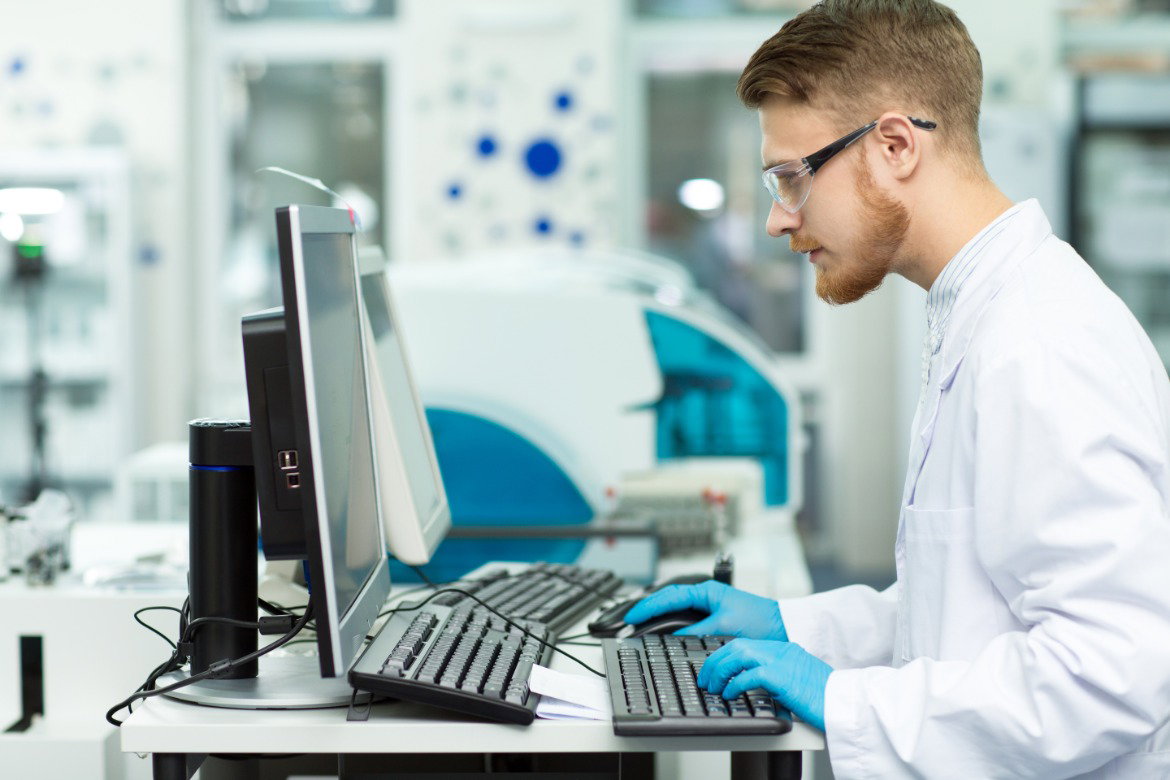
Modern laboratories face rising demand for efficiency and sustainability as resource limits and strict rules shape every action across research, testing and production environments worldwide. Leaders must define clear goals and enforce disciplined habits so each task supports reduced waste, controlled energy use and accurate results without delay or excess cost.
A thoughtful lab design paired with strong staff training creates a system where processes align with purpose and tools support rapid, safe execution across all functions. To make your lab more efficient and sustainable, you must follow consistent methods and review outcomes with care.
Optimize Workflow Design
Optimize workflow design with clear zones that reduce travel time and prevent cross-contamination, so teams complete steps fast with fewer errors and stable output. Assign equipment near points of use and label storage so tools remain easy to find and return after each task to support order and speed. Standardize protocols across teams with simple language so every person follows the same method and records results in a consistent format.
Upgrade Equipment and Energy Use
Upgrade instruments to energy-efficient models that meet demand while lowering power draw and heat load, so climate control needs drop and costs fall over time. Implement smart sensors that track usage and alert staff to anomalies so that quick action prevents waste and protects assets, and maintains steady performance across shifts. Adopt closed-loop systems where possible to reduce solvent loss and emissions, so material use declines and environmental impact stays low.
Strengthen Waste Management Practices
Train staff in waste segregation so materials sort into the correct streams and enable recycling or safe disposal that meets rules and reduces harm to land. Set targets for reduction and track progress with clear metrics so teams see results and adjust actions to meet goals with steady gains each cycle. Learning the pros of disposable calibration gas canisters will help you choose options that cut waste and improve safety while supporting accurate measurement across tasks.
Improve Data Systems and Work Habits
Improve data systems with secure platforms that centralize records so teams can access results fast and reduce paper use and errors across departments and projects daily. Automate reports with templates that pull data from instruments, so staff save time and ensure accuracy, and present findings in a clear format for decisions. With these tech hygiene hacks for your workstation, you will create a clean digital space that limits clutter, speeds search and protects data integrity.
Build Sustainable Supply Chains
Design supply chains with local vendors that reduce transit distance and emissions so deliveries arrive faster and the risk of delay falls across projects and timelines. To make your lab more efficient and sustainable, choose durable materials that last longer and resist wear, so replacement needs drop and the total cost of ownership declines. Engage staff with feedback loops so ideas surface and leaders test small changes that scale when results show gains and align with goals.
A plan that unites process control smart tools and staff education will raise efficiency and cut waste while protecting safety and quality across the lab. Sustained effort with review ensures gains persist and systems adapt to new demands so the lab meets goals and sets a high standard for others.