
How Sports Fandom Can Become Part of Modern Culture
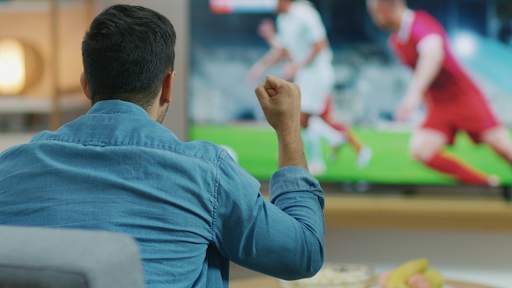
Sports fandom can take many forms beyond watching a game or following a favorite team. An interest in sports can become a hobby, a reason to learn something new, or simply another way to spend free time. For people who enjoy getting deeply invested in their interests, sports can offer plenty of opportunities to go beyond casually watching a game.
That can mean participating in an activity, exploring subjects connected to it, or finding ways to make an interest part of a routine. Looking at those different forms of engagement shows how sports can become more than a pastime.
Hobbies Can Turn Interests Into Deeper Passions
Following a sport does not always mean sitting down to watch a game. People can become involved in activities connected to the sports they enjoy, giving them another way to explore an interest and spend their free time.
Martial arts provide one example of how an activity can become a significant part of someone’s recreational interests. According to Statista, approximately 6.6 million people participated in martial arts in 2023, representing a 31% increase from 2010. The growth in participation shows how a physical activity can develop into an established hobby for people who want something more involved than simply watching sports.
Participating in an activity also creates opportunities to approach an interest from a different perspective. Instead of only following what happens during a competition, someone can spend time learning techniques, practicing skills, and gradually becoming more familiar with the activity itself.
That kind of involvement can make a hobby more engaging. Watching can be one part of enjoying a sport, while actually participating can provide another reason to stay interested. For someone who enjoys exploring a subject in depth, that distinction can make a familiar interest feel much bigger.
Curiosity Can Become Part of the Experience
A strong interest in any subject can naturally lead to curiosity. Someone may start with a basic interest and then begin exploring related subjects, developing new skills, or looking for additional ways to understand what they enjoy.
Education provides one example of how different environments can shape learning and achievement. According to a study conducted by the Department of Education, students attending private schools consistently achieve higher scores on college entrance exams. The finding highlights how educational choices can influence academic experiences and preparation for future opportunities.
Learning does not have to be limited to formal education, however. Personal interests can also give people reasons to keep exploring and developing their knowledge. Sports can work in much the same way. Someone who becomes interested in a particular activity may want to understand how it works, learn more about its techniques, or become more knowledgeable about the subject.
That process can turn a casual interest into a more involved hobby. The more someone learns about a subject, the more opportunities there can be to discover related interests. Sports can therefore provide an entry point into a broader range of activities and ideas.
Physical Activity Can Become Part of Everyday Life
Not every hobby has to involve a screen, a collection, or another stationary activity. Physical activities can also become part of a person’s routine, particularly when they find something they genuinely enjoy doing.
The broader importance of maintaining active routines can be considered alongside the prevalence of obesity. According to the World Health Organization, more than 1 billion people worldwide were living with obesity, including 650 million adults, 340 million adolescents, and 39 million children. The scale of the issue highlights the role that everyday habits and physical activity can play in overall routines.
Finding an activity that feels enjoyable can make it feel like another part of someone’s lifestyle rather than a separate obligation. Sports and other physical hobbies can provide an opportunity to spend time away from a desk or screen while still pursuing an interest.
This also gives people another way to balance different types of hobbies. Someone can spend part of their free time gaming, watching entertainment, reading, or exploring technology and still have room for activities that get them moving.
Sports can become much more than something to watch. They can develop into hobbies that encourage participation, curiosity, and physical activity, giving people different ways to engage with an interest. For anyone who enjoys going beyond the surface of the things they like, that can make sports a surprisingly versatile part of everyday life.