
How Soon Do Dental Chews Work? Canine Dental Experts at Dinovite Set the Record Straight
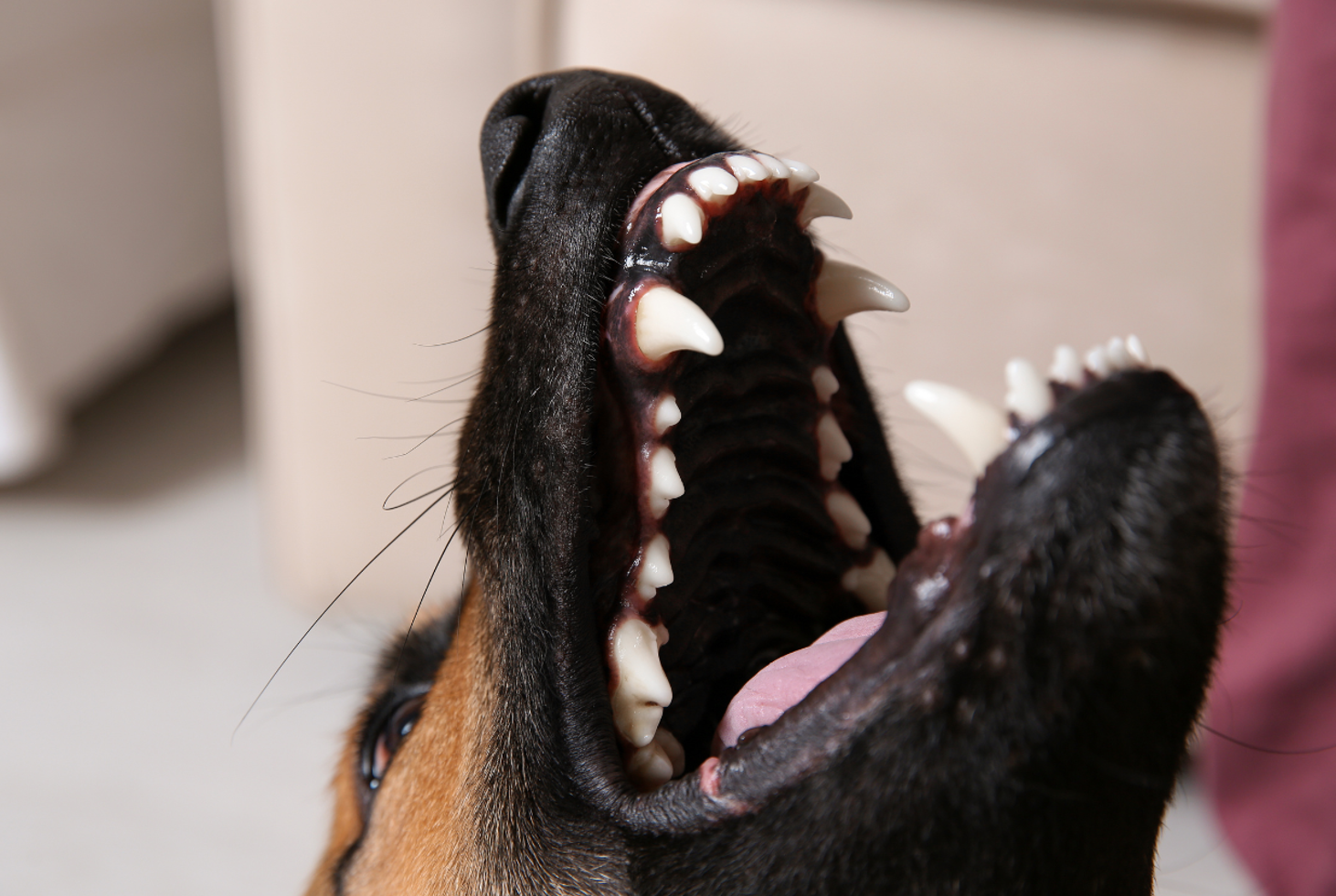
Dog breath doesn’t fix itself overnight. Here’s the real timeline, plus what can speed it up or slow it down.
Your dog just got a dental chew, and you’ve already sniffed their breath several times today. No judgment. Bad dog breath has a way of turning even the calmest owner into someone refreshing their phone for results.
So, let’s manage expectations a little. Dental chews aren’t a magic trick, and they don’t work in one dramatic crunch. They work the way most good habits do: slowly. And, more importantly, only if you keep showing up for them.
We sat down with the experts from canine supplement and dental chew maker Dinovite to understand what’s actually happening in your dog’s mouth, when you might notice a difference and how to tell the whole routine is doing more than just giving your dog a fun new snack.
What Happens When You Give Your Dog Dental Chews?
Two things happen every time your dog crunches into a chew, and only one of them is visible from the couch. The physical chewing scrapes at the surface of the teeth. Meanwhile, a chew built with functional ingredients is also quietly working on the bacteria living in your dog’s mouth.
That bacteria part deserves more credit than it usually gets. Plaque is a living layer of bacteria that starts forming on teeth within a few hours of eating, and it can begin hardening into tartar within a day or two. Once that happens, no amount of enthusiastic chewing is going to undo it. It takes a professional dental cleaning to clear it out. Even then, Dinovite experts explain that tartar can start reforming within 72 hours of a cleaning. That fast clock is exactly why skipping a few days of dental chews here and there matters more than people expect.
Dinovite explained that its research team built its Triple Action Dental Chews with that timeline in mind. The formula targets the root of bad breath and plaque, the oral microbiome itself, according to Dr. Inke Paetau-Robinson, Senior Nutrition and Research Manager, Cats & Dogs, at Compana Pet Brands. That means working below the surface for a more balanced microbiome, the kind of change that sticks around well after that first hour of fresh breath fades.
How Long Does It Take to Notice Changes?
Every dog is on their own clock here, but Dinovite says there’s a common pattern:
- First few days: Your dog’s breath might smell a touch less rough right after a chew, but don’t expect it to stick around consistently yet.
- First two weeks: Fresher breath tends to show up more often and more reliably.
- One month: Visible plaque reduction and healthier-looking gums are more likely to show up around here, assuming the chews have been a daily thing.
- Ongoing use: Sticking with it keeps the gains going and prevents new plaque from quietly moving back in.
That one-month mark isn’t a random guess. Dental chew research in dogs is commonly evaluated over 28-day periods, which is enough time for measurable shifts in plaque and gum health to become apparent. It’s a fair real-world benchmark for when to expect visible change, as long as the chews are happening daily without many skipped days. Skip too many and plaque will happily pick up right where it left off. It doesn’t know or care that you had a busy week.
Dinovite explains that its dental chews are clinically proven to reduce plaque- and tartar-causing microbes in just seven days, but the company also highlights that some factors impact how quickly you’ll notice a real difference.
Factors That Can Influence How Soon You See (and Smell) Results
No two dogs start from the same place, and a few variables can impact how quickly dental chews start working.
Dog Breed and Size
Small breeds and dogs with crowded or stacked teeth tend to collect plaque and tartar in the tight spots a chew just can’t reach. If your dog’s mouth looks like a game of dental Tetris, chews alone may show slower, more visible progress and adding brushing to the mix tends to help more than relying on chews alone.
Current Dental Health
A dog already dealing with significant tartar or inflamed gums is starting from a rougher spot than a dog with fairly clean teeth to begin with. Dental trouble also shows up earlier than most owners assume, with most dogs showing some signs of dental disease by age 3. That goes a long way toward explaining why your neighbor’s dog seems to be on a totally different timeline than yours.
Dental chews shine as a daily maintenance habit, which is why buildup that’s already settled in usually calls for a trip to the vet first.
Diet and Overall Nutrition
Chewing habits don’t operate in a vacuum. Diet plays a supporting role together with any dental routine. For example, Dinovite shared that wet food tends to stick to doggy teeth more, which could lead to worse dog breath than that of a dog on a strictly dry-food diet.
For this reason, Dinovite mentioned that its dental support complements a full lineup of nutritional support, including its probiotic powder for dogs and its SuprOmega Fish Oil liquid topper, designed to work alongside a balanced diet. If you’re already using those toppers for skin, coat or digestive concerns, a dental chew tends to slot right into that same whole-body approach.
How to Tell If Dental Chews Are Working
Don’t hold out for one dramatic before-and-after photo. Watch for these sometimes subtler signs:
- Breath that smells noticeably fresher than it used to
- Less visible film or yellowish buildup on the teeth
- Gums that look pink and healthy rather than red or swollen
- Your dog chewing and eating without any obvious discomfort
These show up gradually and on nobody’s fixed schedule. Some dogs get there faster than others, but every dog park has that one pup who always shows up fashionably late.
When It’s Time to See the Vet
Dental chews can be a great way to keep your dog’s teeth healthy between visits, but below are some signs it’s time to see the vet sooner rather than later:
- Bad breath that doesn’t improve with consistent daily use
- Bleeding, swollen or receding gums
- Visible tartar buildup that doesn’t respond to home care
- Reluctance to eat or chew, or any signs of pain
If you’re ever unsure whether what you’re seeing is normal, get your dog checked out. Nobody has ever regretted an extra vet visit.
Patience Pays Off
At the end of the day, good doggie dental health comes down to your dog and your own follow-through more than any single product or miracle ingredient. A chew handed out once in a while isn’t going to do much. A chew given every single day, alongside regular vet checkups, is what actually moves things along.
Give it a few weeks before judging the results, keep the routine boring and steady and trust that the small daily habit is doing more than it looks like on any given afternoon.