
Equipment, Materials, and Safety in Modern Construction
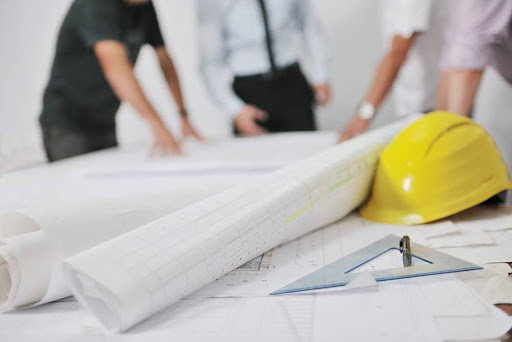
Construction projects depend on more than skilled labor and a well-organized schedule. The equipment used to prepare a site, the materials selected for a structure, and the safety practices followed throughout the project all influence the quality of the finished work. From road construction to commercial building projects, careful planning helps crews complete demanding tasks while reducing avoidable risks.
Why the Right Equipment Matters During Site Preparation
Before construction can move forward, crews often need to prepare uneven ground, remove excess material, and establish a stable surface. The equipment selected for these tasks can affect both efficiency and the quality of the final result. Grading work, in particular, requires machinery that can move and level soil while maintaining the elevations specified in project plans.
A grader blade is one tool used for this work. Its design and configuration affect how material moves across a surface, so it’s important to match the equipment to the application. Different blade styles may be suited to different grading conditions, depending on the desired cutting action, material, and operating requirements.
For contractors evaluating equipment options, a grader blade should be selected with the job’s demands in mind. Factors such as machine compatibility, blade construction, durability, and the type of material being handled can all influence performance. Choosing equipment based only on initial cost may overlook the importance of service life and suitability for repeated use.
Metal Decking and Structural Building Systems
Once site preparation is complete, construction moves toward the structural components that form a building. Metal decking is commonly used in commercial and industrial construction because it can serve as a structural component in floor and roof systems. It provides a supporting surface and may work alongside steel framing and concrete, depending on the design.
Roof metal decking is used in roof assemblies to support roofing materials and transfer loads to the structural framework. The correct deck profile, gauge, and installation method depend on engineering specifications, span requirements, and the building’s intended use. Contractors must also consider factors such as weather exposure, fastening requirements, and coordination with other roofing components.
Material selection should begin early in the planning process. Comparing specifications, confirming dimensions, and coordinating delivery schedules can help prevent delays once installation begins. Because decking contributes to the building’s structural performance, it is important to follow approved plans and applicable building requirements rather than making substitutions without proper review.
Safety Responsibilities on Active Construction Sites
Construction environments involve heavy equipment, elevated work areas, moving materials, electrical systems, and changing site conditions. Even projects with experienced crews can present hazards when work is rushed or safety procedures are not consistently followed.
Employers and contractors should establish clear safety expectations before work begins. This includes training workers on equipment, providing appropriate protective gear, maintaining access routes, and identifying hazards as site conditions change. Regular inspections can help catch problems such as unstable surfaces, damaged tools, missing guardrails, or improperly stored materials.
Workers also play an important role in maintaining a safe environment. Reporting hazards, following established procedures, and avoiding the use of equipment without proper training can help reduce the likelihood of incidents. Safety should remain a priority throughout the project, not just during initial orientation.
What Happens When a Construction Accident Occurs?
Despite preventive measures, accidents can still happen. A worker may be injured by falling materials, defective equipment, an unsafe work surface, or another hazardous condition. The circumstances surrounding an incident can raise questions about responsibility, workplace procedures, and available benefits.
After an accident, medical attention should come first. Workers should also follow reporting requirements and preserve relevant information, including incident details, photographs when appropriate, witness names, and medical records. Depending on the situation, more than one party may have responsibilities related to site safety.
A construction accident lawyer can help an injured worker understand potential legal options and the issues that may affect a workplace-related claim. The applicable process depends on the facts, the parties involved, and relevant state laws.
Coordination Creates Better Project Outcomes
Successful construction requires equipment operators, suppliers, contractors, engineers, and workers to coordinate their responsibilities. A suitable grading attachment helps prepare the site, properly specified decking supports the building system, and consistent safety practices protect the people carrying out the work.
When these decisions are handled carefully, projects are better positioned to meet quality expectations and avoid preventable setbacks. Good construction planning is not limited to what gets built. It also includes how materials are selected, how work is performed, and how people are protected along the way.