
How To Prevent Yard Damage Before the Next Storm
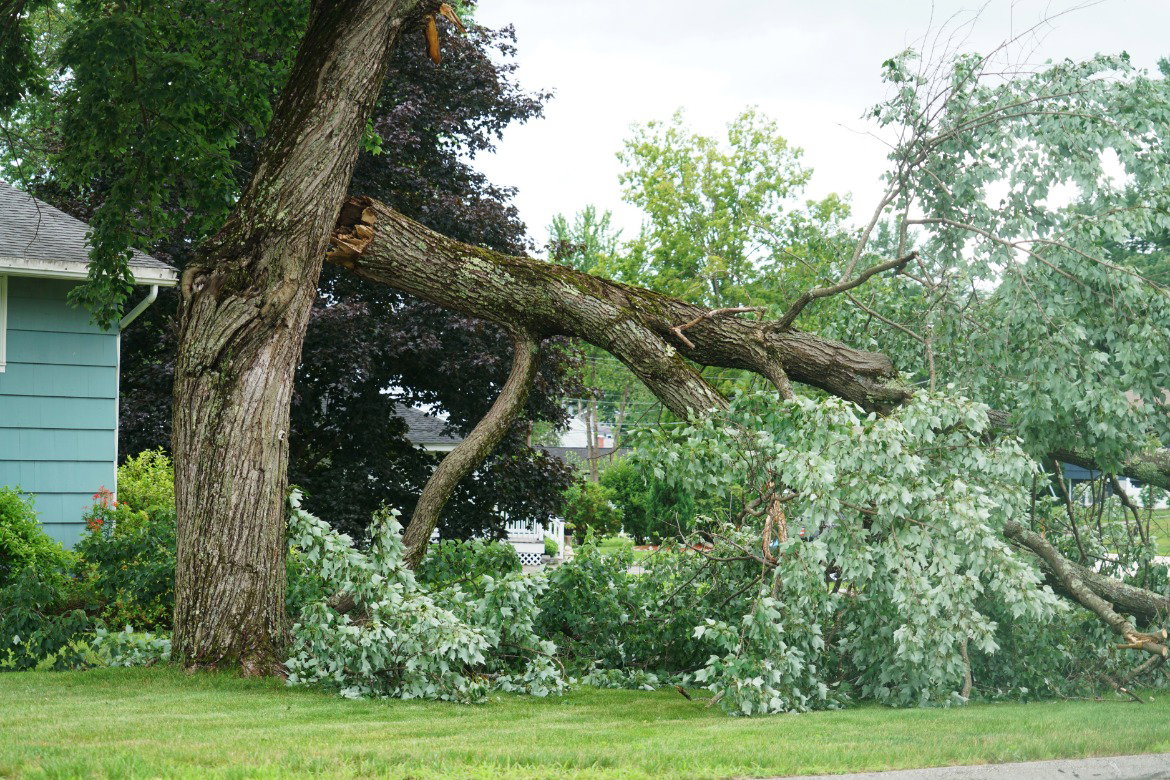
Storm season has a way of exposing every outdoor maintenance project you’ve been ignoring. That slightly crooked tree suddenly looks suspicious, the clogged gutter becomes a miniature waterfall, and your backyard starts resembling a survival game with terrible graphics. Fortunately, preventing yard damage before the next storm doesn’t require an enormous budget or professional landscaping equipment.
A few strategic improvements can protect your property while making outdoor maintenance considerably easier. Think of the process as upgrading your home’s defenses before the next weather event tests their limits.
1. Treat Your Yard Like a System That Needs Maintenance
Your backyard might look like a collection of unrelated features, but everything works together when severe weather arrives. Trees influence wind exposure, drainage affects soil stability, and landscaping materials determine how water moves across your property.
Ignoring one component can create problems elsewhere. For example, overflowing gutters may direct water toward garden beds, gradually washing away soil and exposing plant roots. Poor drainage can also leave lawns saturated long after a storm passes.
Start by walking around your property and identifying potential trouble spots. Look for standing water, loose landscaping materials, damaged branches, and areas where runoff concentrates during heavy rainfall.
2. Inspect Trees Before They Become a Problem
Trees provide shade, privacy, and visual appeal, but damaged specimens can become serious hazards during high winds. Dead branches, unusual trunk movement, and changes in the surrounding soil may indicate developing structural problems.
Pay particular attention to trees that have recently shifted position. A tree that suddenly leans after prolonged rainfall may have experienced root movement or soil instability.
Homeowners dealing with this situation should understand how to manage leaning trees after heavy rain before attempting corrective action. Significant leaning, exposed roots, or movement near buildings and electrical lines warrants an assessment from a qualified arborist.
Avoid trying to straighten a large tree using ropes, vehicles, or improvised supports. Tree instability involves substantial forces, and amateur solutions can create additional hazards.
3. Upgrade Your Drainage Before Water Takes Over
Rainwater follows the easiest available route, regardless of whether that route crosses your lawn, garden, or patio. When drainage systems fail, water can collect around foundations and gradually erode landscaping.
Check whether downspouts discharge water away from your home’s foundation. Inspect drainage channels for accumulated leaves, sediment, and other obstructions that restrict water movement.
For properties with recurring puddles, solutions might include regrading problem areas, installing appropriate drainage systems, or introducing landscaping features that slow runoff. A professional can identify the underlying cause before you invest in unnecessary improvements.
Consider this one of the practical home upgrades every homeowner should consider, particularly in regions that experience frequent heavy rainfall.
4. Give Your Gutters Some Attention
Gutters rarely receive the appreciation they deserve until water starts pouring over their edges. Leaves, twigs, and accumulated debris can block drainage, sending rainwater directly toward vulnerable areas around your home.
Inspect gutters regularly, particularly after windy weather or during seasons when nearby trees shed leaves. Check downspouts for blockages and look for loose connections that might separate under pressure.
If your home has multiple stories or difficult roof access, consider hiring a professional rather than climbing onto an unsafe ladder.
You can also explore Geek Insider’s other home improvement coverage for related maintenance ideas and practical technology upgrades. A relevant internal article about smart home monitoring or seasonal maintenance would fit naturally here.
5. Secure Everything That Could Become Airborne
Outdoor furniture looks harmless on a sunny afternoon. Add powerful wind gusts, however, and that lightweight patio chair suddenly becomes a surprisingly mobile object.
Before a storm arrives, inspect everything that sits outside without permanent attachment. Planters, decorative signs, garden tools, and children’s play equipment may require relocation or additional securing.
Pay special attention to umbrellas and temporary shade structures. Their broad surfaces can catch substantial wind, increasing the risk of movement or damage.
Create a simple storm-preparation checklist:
- Move lightweight furniture and decorations into protected storage.
- Secure or relocate loose gardening equipment.
- Close and properly secure patio umbrellas.
- Check fences and gates for damaged fasteners.
- Keep drainage openings free of debris.
6. Consider Smart Technology for Outdoor Monitoring
Home technology isn’t limited to video doorbells and automated lighting. Several practical devices can help homeowners understand outdoor conditions and identify developing problems.
Smart irrigation controllers can adjust watering schedules using weather information, reducing unnecessary irrigation before rainfall. Soil moisture sensors can provide additional insight into conditions around gardens and landscaped areas.
Outdoor cameras may also help homeowners monitor certain parts of their property from a safe indoor location. However, cameras cannot reliably determine whether a tree is structurally sound or whether drainage conditions are dangerous.
7. Protect Garden Beds Against Erosion
Heavy rainfall can strip exposed soil from planting beds, leaving roots vulnerable and carrying sediment onto walkways. Sloped yards often experience more pronounced erosion because water gains speed as it travels downhill.
Mulch can protect exposed soil, although homeowners should avoid placing it directly against tree trunks or building foundations. Established groundcover plants can also stabilize certain areas through their root systems.
In locations with persistent runoff, landscaping professionals may recommend terracing, drainage improvements, or other erosion-control features.
Avoid assuming that adding more soil will permanently solve the problem. Unless you address the water movement causing erosion, the next storm may simply wash your improvements away.
8. Build a Maintenance Routine That Actually Works
The easiest storm damage to address is damage that never occurs. Unfortunately, outdoor maintenance often falls behind more exciting weekend projects.
Instead of waiting for a major storm warning, establish a manageable inspection schedule. Check trees and drainage after significant weather events, and review vulnerable areas before your region’s typical storm season.
Take photographs of problem spots so that you can compare conditions over time. This simple habit may reveal changes that might otherwise escape notice.
Keep records of professional tree assessments, drainage repairs, and major landscaping work. Documentation can also help when discussing future maintenance needs with contractors.
Make Your Yard More Resilient
Storm preparation doesn’t need to turn into an expensive renovation project. Consistent inspections, sensible upgrades, and timely repairs can substantially reduce avoidable outdoor damage.
By focusing on overall tree health and practical storm damage prevention, homeowners can create safer outdoor spaces that withstand challenging weather more effectively. Your yard might never become completely stormproof, but it can certainly become better prepared for whatever the forecast brings.