
A Beginner’s Guide to Grading Collectibles
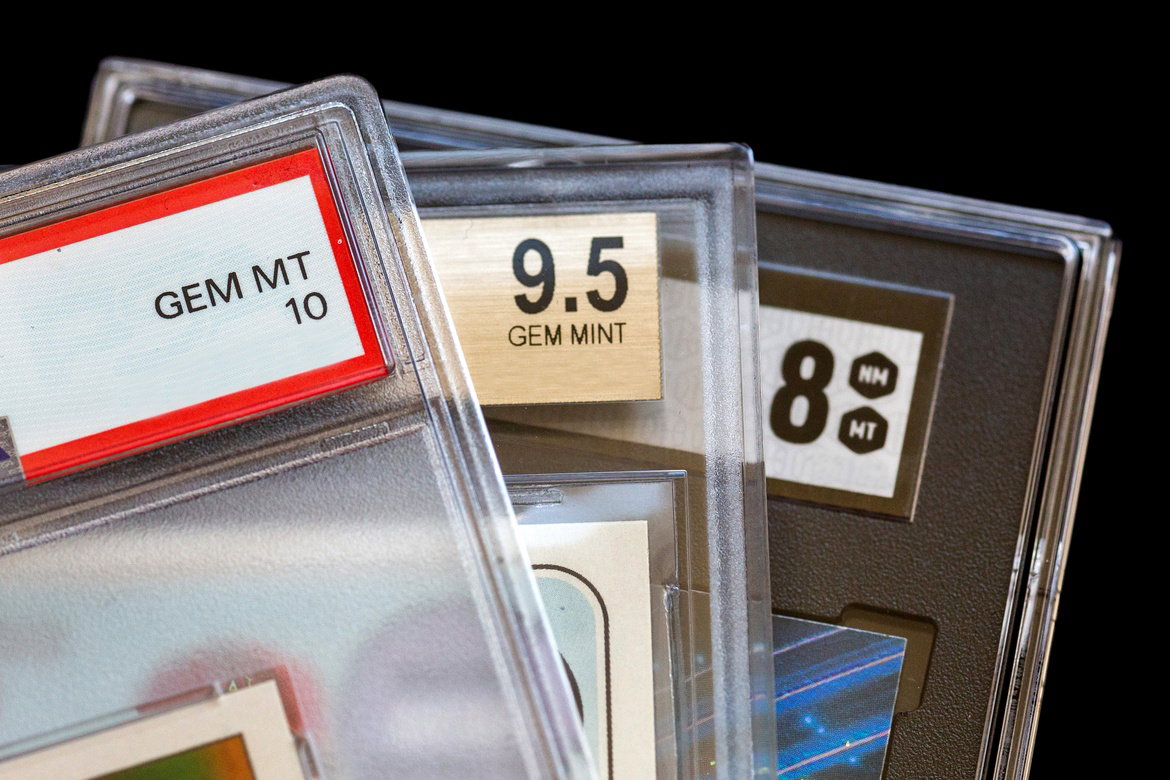
Getting a comic book or a trading card graded means sending it to a company like PSA, BGS, SGC, or CGC, which authenticates it, scores its condition on a 1–10 scale and seals it in a tamper-evident case. Grading protects the item and can multiply its value—a PSA 10 often sells for 5–20 times a raw copy. This guide to grading collectibles walks you through the scale, the companies, the costs, and the mistakes that trip up first-timers.
What Does It Mean To Grade Collectibles?
Grading involves securing third-party authentication and a condition score for a collectible, then sealing it in a protective plastic case collectors call a “slab.” A professional grader confirms the item is real, judges its condition, assigns a number, and encapsulates it so the grade can’t be altered. That turns a subjective “Looks mint to me” into a standardized number buyers trust. The global collectibles market topped $400 billion in 2025, and graded items sell faster and for significantly more.
How Does the 1–10 Grading Scale Work?
Grades run from 1 (Poor) to 10 (Gem Mint). PSA 10 is virtually flawless, PSA 9 has one minor flaw, and PSA 8 shows slight wear. The jump from 9 to 10 is where money lives. The visual difference can be nearly invisible, yet the price gap often runs into the thousands on sought-after cards.
What Do Graders Look At?
Every major grader judges four criteria: centering, corners, edges, and surface. Centering measures how evenly the image sits inside the borders on both the front and back. Corners must be sharp versus fraying. Edges are judged for chipping and nicks. Surface includes scratches and dents. One weak category caps the whole grade.
Which Grading Company Should You Use?
When grading your collectibles, PSA is the safe default, offering the highest resale liquidity. BGS is known for subgrades on all four criteria and its coveted Black Label. SGC specializes in vintage cards with fast turnaround. CGC is the only independent major grader in 2026 and dominates the Pokémon market. Collectors Holdings owns PSA, SGC, and BGS, while CGC remains independent.
What’s the Cost and Timeline?
Grading costs and turnaround times vary by provider, service level, and demand. CGC currently lists Bulk grading at $17 per card and Economy at $20, while PSA’s open tiers start at $79.99 for Regular service. As of May 2026, PSA’s lower-cost Value tiers, including Value Bulk, are currently paused due to demand. Since pricing and timelines change often, collectors should check each grading company’s current service pages before submitting cards.
Which Cards Are Worth Grading?
Grade cards that are already high-value raw, in sharp condition, or short-print rookies with resale demand. For instance, LeBron James rookie cards command four- and five-figure prices in high grades. Skip common base cards, well-worn copies likely to score a 7, or anything whose graded value won’t clear the total cost. Pre-screen the card by inspecting centering (front and back), corners, edges, and surface under good light.
Before You Submit
Avoid submitting common low-value cards, ignoring back centering, using toploaders instead of Card Savers, and picking the wrong service tier. If you’re still building a collection, know what trading cards to collect before spending on grading fees. Get the basics right, and your first submission should come back with expected grades.