
The Line Item That Decides the Deal: Doug Hoven on Insurance and Flood Zones in Coastal Virginia
EDITORIAL FEATURE | DOUG HOVEN | COASTAL VIRGINIA
The deal looked done. The price was right, the inspection was clean, and then the insurance quote arrived. Doug Hoven, a REALTOR with The Ron Sawyer Team at RE/MAX Prime, has watched that moment reshape more Hampton Roads transactions in the past year than any interest rate move.
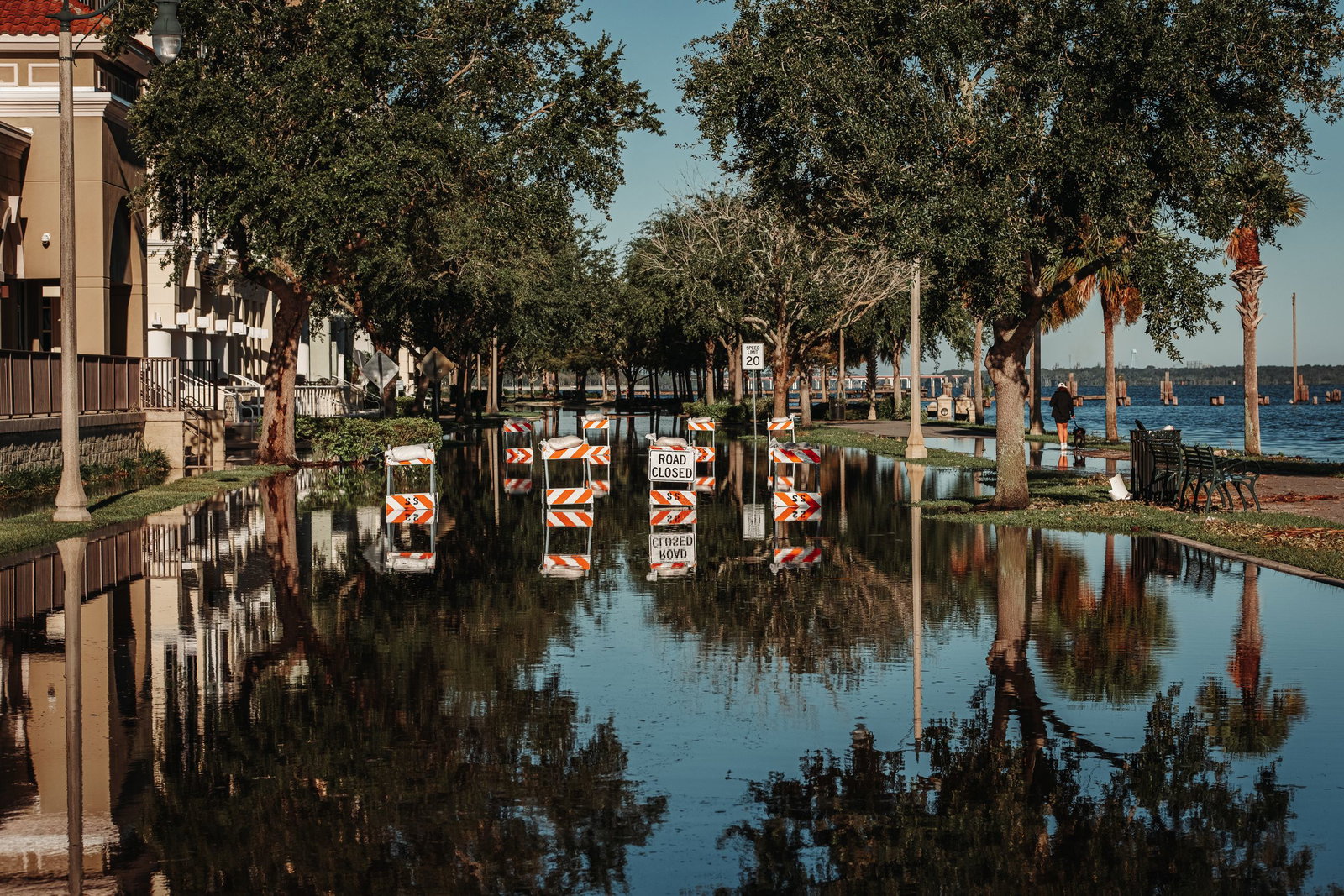
Insurance has become the line item buyers forget and lenders never do. Home insurance premiums nationally have climbed on the back of disaster losses, rising rebuild costs, and more expensive reinsurance, with coastal and flood-prone regions seeing the steepest increases. Flood policies in particular are running 10 percent or more above last year in many areas, and updated FEMA flood maps keep pulling new properties into designated zones.
“Buyers will negotiate for weeks over five thousand dollars on price and never ask a single question about a policy that costs them that much every two or three years,” Hoven says. “In coastal Virginia, insurance is not a footnote. It is part of the price of the house.”
The Coastal Virginia Reality
The numbers explain his urgency. Standard homeowners policies exclude flood damage entirely, no exceptions. Average flood coverage in Virginia runs roughly 700 dollars a year, below the national average, but high-risk properties in Virginia Beach and Norfolk can run 1,500 to 4,000 dollars annually depending on elevation, foundation, and distance to water. Under FEMA’s Risk Rating 2.0 system, two houses on the same street can carry completely different premiums.
The exposure gap is what worries Doug Hoven Jr. most. Virginia’s Department of Conservation and Recreation reports only about 3 percent of Virginians carry flood insurance, while FEMA data shows more than a quarter of flood claims come from outside high-risk zones. One inch of water in a home can cause 25,000 dollars or more in damage.
What Smart Buyers Do Before They Offer
Hoven now treats insurance diligence as part of the offer process, not the closing checklist. Pull the property’s flood zone before writing the offer. Get an actual insurance quote, not an estimate, during the contingency window. Ask whether the home has an elevation certificate, which can meaningfully lower a premium. And know the local advantages: Virginia Beach participates in FEMA’s Community Rating System, which earns eligible homeowners in special flood hazard areas a 15 percent discount on NFIP premiums.
“The house you can afford is the house you can afford to insure,” Hoven says. “Find that number early and it becomes leverage. Find it late and it becomes a crisis.”
For sellers, Doug Hoven Jr. sees the same coin from the other side. A documented elevation certificate, a transferable flood policy, or a history of mitigation work is now a marketing asset. In coastal Virginia’s 2026 market, the best-protected house on the street is quietly becoming the easiest one to sell.
Doug Hoven Jr. is a REALTOR with The Ron Sawyer Team at RE/MAX Prime, licensed in Virginia and North Carolina. Reach him at (757) 434-0915, douglashoven.com, TheRonSawyerTeam.com, or on LinkedIn.