
Crystal Clear Viewing: What to Expect from a Professional TV Aerial Installation
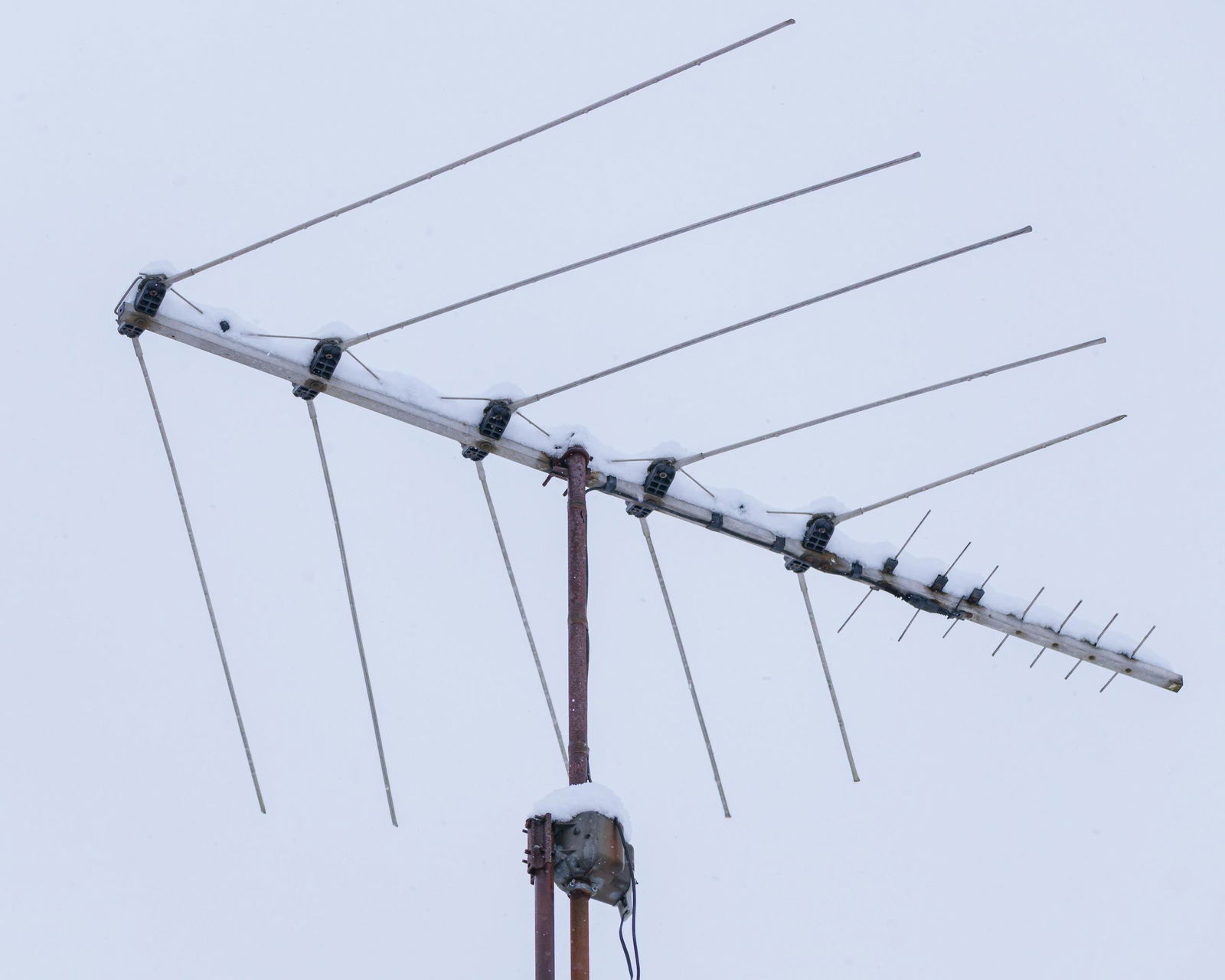
Table of Contents
1. Introduction to TV Aerial Installation
2. Understanding the Importance of a Quality Aerial
3. Key Benefits of Professional Installation
4. The Aerial Installation Process Explained
5. Factors Influencing Signal Quality
6. Choosing the Right Aerial for Your Needs
7. Common Issues and Troubleshooting Tips
8. Why Home Vision Stands Out in Aerial Installation
9. Maintaining Your Aerial System for Optimal Performance
10. Future Trends in TV Aerial Technology
Introduction to TV Aerial Installation
In today’s world, where high-definition television is the norm, the importance of having a quality TV aerial cannot be overstated. A professional TV aerial installation ensures that viewers can enjoy crystal clear viewing experiences, free from interruptions and pixelation. This article delves into what one can expect from a professional installation, providing insights into why it matters, what the process entails, and how to maintain optimal performance.
Understanding the Importance of a Quality Aerial
The quality of your TV aerial directly affects your viewing experience. A poor-quality aerial can lead to various issues, including weak signals, pixelation, and loss of channels. In contrast, a well-installed aerial can significantly improve picture quality and overall satisfaction with your television service.
Statistical data shows that homes equipped with high-quality aerial systems experience fewer disruptions and enjoy clearer images compared to those relying on basic setups. Thus, investing in a professional installation can prove beneficial in the long run.
Key Benefits of Professional Installation
Opting for professional installation offers numerous advantages over DIY approaches:
1. Expertise: Professionals possess the skills and knowledge necessary to install aerials effectively, reducing the risk of errors.
2. Optimal Placement: Experts understand how to position aerials for maximum signal reception based on geographical factors.
3. Safety: Installing an aerial often requires working at heights or with electrical components, making it safer when conducted by trained professionals.
4. Warranty and Support: Many professional services offer warranties on their work, providing peace of mind for homeowners.
These benefits not only enhance viewing quality but also ensure that your investment is safeguarded.
The Aerial Installation Process Explained
A typical professional TV aerial installation follows a series of steps designed to ensure efficiency and effectiveness:
1. Site Survey: Technicians conduct a site survey to assess signal strength and determine the best location for the aerial.
2. Aerial Selection: Based on the survey results, professionals recommend an appropriate type of aerial suitable for your area and needs.
3. Installation: The aerial is mounted securely on a pole or roof, ensuring it is correctly oriented towards the nearest transmission tower.
4. Connection Setup: The aerial is connected to your television or receiver, completing the necessary wiring.
5. Testing: Finally, technicians test the system to ensure optimal reception and adjust settings as needed.
Each step is crucial in achieving maximum performance and reliability from your TV aerial system.
Factors Influencing Signal Quality
Several factors can affect the quality of your TV signal:
1. Location: Proximity to broadcast towers can significantly influence signal strength.
2. Obstructions: Buildings, trees, and hills can obstruct signals, leading to reduced quality.
3. Aerial Type: Different types of aerials are designed for varying ranges and conditions; selecting the right one is essential.
4. Installation Angle: The angle at which the aerial is installed plays a vital role in capturing signals effectively.
Understanding these factors can help you appreciate why professional installation is recommended.
Choosing the Right Aerial for Your Needs
With various types of aerials available on the market, selecting one that meets your specific requirements is critical:
1. Indoor Aerials: Ideal for urban areas with strong signals but may struggle with obstructions.
2. Outdoor Aerials: Better suited for rural locations where signals may be weaker and require more power.
3. Yagi Aerials: Designed for long-range reception; effective in areas far from transmission towers.
4. Log-periodic Aerials: These offer wideband performance suitable for capturing multiple frequencies.
Professional installers like Home Vision provide expert recommendations tailored to individual needs, ensuring optimal viewing experiences.
Common Issues and Troubleshooting Tips
Even with professional installation, issues can arise over time. Here are some common problems along with troubleshooting tips:
1. Poor Signal Quality:
Check connections; loose cables can cause disruptions.
Inspect for obstructions; trees or buildings may have grown since installation.
2. Intermittent Reception:
Verify that no new electronic devices are interfering with signal transmission.
Realign the aerial if there has been significant weather-related movement.
3. Limited Channel Access:
Ensure that your TV’s tuner settings are correctly configured.
Rescan channels periodically to capture any updates from broadcasting stations.
Addressing these issues promptly can save time and enhance viewing enjoyment.
Why Home Vision Stands Out in Aerial Installation
When considering professional installation services, Home Vision sets itself apart through its commitment to quality and customer satisfaction. With years of experience in the industry, Home Vision employs skilled technicians who utilize state-of-the-art equipment to ensure every installation meets high standards.
Furthermore, their customer service emphasizes understanding individual preferences and providing tailored solutions that enhance viewing experiences across various settings.
Maintaining Your Aerial System for Optimal Performance
To ensure that your TV aerial system continues delivering excellent performance over time, regular maintenance is essential:
1. Routine Inspections: Schedule regular checks to identify any wear or damage caused by weather elements.
2. Cleaning: Remove debris such as leaves or snow that may accumulate on or around the aerial.
3. Adjustments: After heavy storms or winds, inspect whether the aerial remains aligned correctly and make adjustments if necessary.
By maintaining your system proactively, you can prolong its lifespan while ensuring uninterrupted viewing pleasure.
Future Trends in TV Aerial Technology
As technology evolves, so do TV aerial systems:
1. Smart Aerials: Emerging technology includes smart antennas capable of automatically adjusting for optimal signal reception based on environmental changes.
2. Integration with Smart Homes: Future installations may involve seamless integration with smart home systems for easier control over media consumption.
3. Enhanced Frequency Reception: Advances in materials used for antennas promise improved reception capabilities across broader frequency ranges.
Keeping an eye on these trends will help consumers stay ahead of technology advancements that could enhance their viewing experiences even further.
In summary, investing in a professional TV aerial installation provides not only immediate benefits but also long-term satisfaction through superior performance and reliability when combined with regular maintenance and attention to emerging technologies in this dynamic field.