
From Gamepad to Gearshift: Why Sim Racing Is the Next Big Thing in Esports
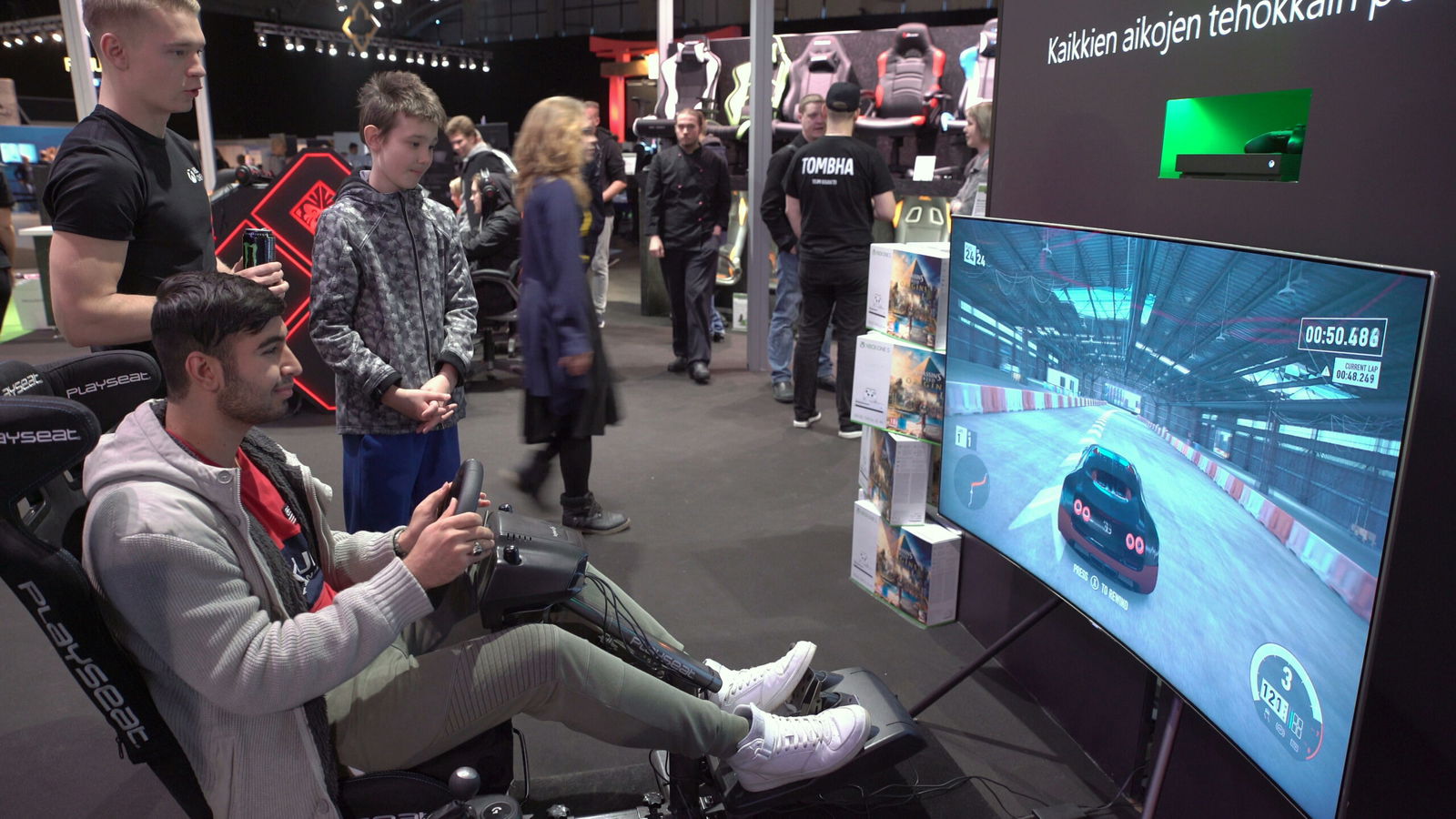
For decades, racing games were seen as a niche within the gaming world, fun to play, but rarely taken seriously as a competitive platform. Titles like Gran Turismo, Forza Motorsport, and F1 24 offered slick graphics and authentic cars, but the limits of consoles and controllers still bound them. Fast forward to today, and sim racing has shifted from being a casual pastime to one of the fastest-growing competitive arenas in esports.
The transformation didn’t happen overnight. A combination of advancing technology, global esports recognition, and a new generation of players chasing realism has turned virtual racing into something that closely mirrors professional motorsport. For many, sim racing isn’t just a game anymore; it’s a discipline demanding precision, consistency, and technical skill.
The Technology That Changed the Track
The rise of modern sim racing has been fueled by hardware innovation as much as by game design. Graphics engines have evolved to produce near-photorealistic tracks and lighting effects, while developers have perfected the physics systems that simulate tire wear, grip, and aerodynamics in real time. But the real revolution began when hardware manufacturers started producing realistic racing simulator gear that could translate digital movement into physical feedback.
High-torque direct-drive wheels now deliver precise resistance with every turn, allowing players to feel the texture of the track and the weight of the car through their hands. Advanced pedal systems replicate braking pressure and acceleration with impressive fidelity, while motion platforms simulate the sensation of g-forces during corners and collisions. When combined with high-resolution monitors or VR headsets, the experience is more immersive than most casual gamers ever imagined possible a decade ago.
When Passion Meets Performance
For esports drivers, the difference between a good and great setup can decide championship results. Just as real-world racers rely on car tuning and telemetry, sim racers depend on their hardware to perform consistently. Every millisecond matters, and so does every tactile sensation that helps a driver react instinctively to the virtual road.
This attention to detail has made professional-grade hardware not only desirable but essential. Competitive teams invest in high-end racing cockpits with sturdy, adjustable frameworks that hold wheels, pedals, and screens in realistic driving positions. These cockpits often mimic the ergonomics of real racing cars, giving players an authentic feel that improves both comfort and reaction time during long sessions. The result is a training environment that’s as close as possible to real motorsport, yet entirely digital.
Esports’ New Frontier
Esports has seen explosive growth in recent years, and racing titles are carving out their own dedicated audience. The FIA Gran Turismo Championships, F1 Esports Series, and iRacing World Championship now attract thousands of competitors and millions of viewers annually. Even professional racing teams such as McLaren, Ferrari, and Williams have launched their own sim racing divisions, treating them as feeder programs for identifying future real-world talent.
This integration of esports and motorsport has blurred the boundaries between gaming and athletic competition. Some sim racers, like Igor Fraga and James Baldwin, have transitioned from virtual circuits to real racetracks, proving that the skills honed in simulations can translate directly into physical performance. Sponsors and manufacturers are taking notice, too, investing heavily in virtual racing events, training facilities, and cross-promotion campaigns.
Accessibility and Community
What makes sim racing even more compelling is its accessibility. Unlike traditional motorsport, which requires expensive vehicles and sponsorships, anyone with a decent PC and a starter wheel can begin racing online. Platforms like Assetto Corsa Competizione and iRacing host international competitions with structured leagues, ranking systems, and live-streamed finals.
This accessibility has helped build a vibrant global community. Forums, Discord servers, and social channels bring together enthusiasts who share setup tips, hardware recommendations, and even custom car liveries. While top-tier rigs can cost thousands, there’s also an abundance of affordable entry-level options, allowing players to upgrade gradually as their interest deepens.
The Future of Virtual Motorsports
Looking ahead, sim racing’s trajectory shows no sign of slowing down. The introduction of next-generation haptic feedback, 360-degree VR environments, and AI-driven coaching systems promises to make the experience even more lifelike. Manufacturers are experimenting with new materials, adaptive seating systems, and integrated telemetry to capture data that mirrors what professional drivers use on the track.
As broadband speeds and streaming technologies improve, online competitions will become even more seamless. Expect to see more hybrid events where real drivers and sim racers compete in synchronized virtual races broadcast to live audiences. These crossovers will continue to elevate the legitimacy of sim racing within mainstream esports.
Why It Matters
At its core, sim racing represents the purest blend of technology, competition, and passion. It appeals to gamers seeking immersion and to motorsport fans looking for a taste of the action without the cost or risk. It’s also a powerful example of how gaming hardware innovation can create entirely new career paths and communities.
More importantly, it embodies the spirit of esports evolution: transforming play into performance through dedication, creativity, and cutting-edge tech. Whether you’re a weekend gamer or a professional driver, sim racing offers a uniquely rewarding experience that combines the thrill of racing with the precision of engineering.
Final Lap
From the hum of the virtual engine to the resistance of a perfectly tuned brake pedal, today’s sim racing scene is an astonishing reflection of how far gaming has come. What started as a controller-based pastime has evolved into a competitive sport where milliseconds, technique, and immersion all matter. As the esports industry continues to expand, sim racing stands out as one of its most authentic and technically advanced frontiers. In this world, digital meets mechanical, and where every race brings gamers one step closer to the real thing.