
Why Pool Sanitizing Matters: A Scientific Evaluation Review
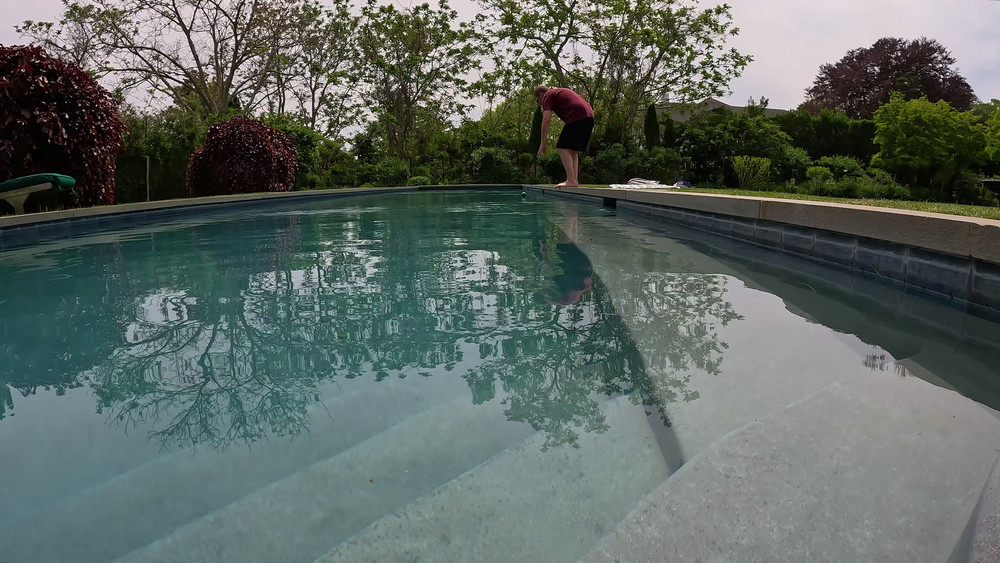
Backyard swimming pools are often seen as symbols of leisure and modern living, but they are also controlled aquatic systems that demand careful chemical and mechanical oversight. Without proper sanitation, pools can quickly harbor microorganisms and contaminants that threaten health and functionality. A scientific perspective makes clear that consistent maintenance is essential rather than optional.
Water Clarity as a Measure of Microbial Risk
One of the most telling indicators of pool sanitation is turbidity, a measurement of how cloudy or clear the water appears. Scientifically, turbidity reflects the presence of suspended particles, which can include organic matter, bacteria, and algae. High turbidity not only reduces visibility but also interferes with the effectiveness of sanitizing agents by shielding microorganisms from disinfectants.
Research published by the National Center for Biotechnology Information underscores how widespread this issue can be in residential pools. In testing samples against World Health Organization benchmarks, only 26.7% of residential pool water met acceptable turbidity standards. In other words, nearly three-quarters of pools failed to reach clarity levels considered safe for recreational water use. This finding suggests that many pool owners underestimate how quickly water quality can decline without disciplined sanitation practices.
Poor water clarity correlates strongly with elevated pathogen survival. Bacteria such as E. coli and Pseudomonas aeruginosa thrive in environments where organic matter accumulates. Maintaining low turbidity through filtration, circulation, and proper chemical balance directly reduces the risk of waterborne illness while improving overall system efficiency.
Why Chlorine Remains the Dominant Sanitizing Technology
Despite advances in pool technology, chlorine continues to dominate as the primary sanitation method for residential swimming pools. According to data cited by Visually, approximately 85% of swimming pools rely on chlorine-based systems for disinfection. This prevalence is not accidental, but rooted in chemistry and reliability.
Chlorine functions as a powerful oxidizing agent. When introduced into water, it forms hypochlorous acid, which penetrates microbial cell walls and disrupts essential enzymatic processes. Few pathogens can survive prolonged exposure when chlorine levels are properly maintained. From a technological standpoint, chlorine is also relatively stable, cost-effective, and compatible with automated dosing systems, making it well-suited for residential use.
However, chlorine’s effectiveness depends heavily on precision. Factors such as pH, sunlight exposure, and swimmer load can rapidly reduce its sanitizing capacity. This is where science-based maintenance becomes critical. Regular testing and adjustment ensure that chlorine remains within an optimal range, providing consistent protection without causing irritation or corrosion. While alternatives like saltwater systems and UV treatment exist, most still rely on chlorine as a foundational disinfectant.
The Role of Professional Inspection in System Integrity
Even with routine testing and chemical adjustments, residential pool systems benefit from periodic expert evaluation. Pools are complex assemblies of pumps, filters, heaters, and circulation components, all of which influence sanitation performance. Subtle mechanical failures can undermine water quality long before problems become visible.
Bob Vila, a trusted authority in home maintenance, recommends scheduling a professional pool inspection once a year. This annual assessment serves as a diagnostic checkup for the entire system, identifying issues such as failing seals, inefficient filtration, or improper circulation patterns. From a scientific perspective, these mechanical variables directly affect how evenly sanitizers disperse and how effectively contaminants are removed.
Professional inspections also incorporate data-driven analysis, including pressure readings, flow rates, and chemical trends over time. Addressing small inefficiencies early not only protects swimmers' health but also extends the lifespan of pool equipment. In many cases, the inspection pays for itself by preventing costly repairs and chemical overuse.
Keeping your pool clean and safe goes well beyond appearance. It's a process that blends chemistry, physics, and mechanical systems to maintain water quality. Research shows that many residential pools miss accepted standards, while chlorine remains effective when properly managed. With regular professional inspections, consistent sanitation turns a potential health risk into a dependable system for responsible enjoyment.