What To Consider Before Your First 3D Printer Purchase
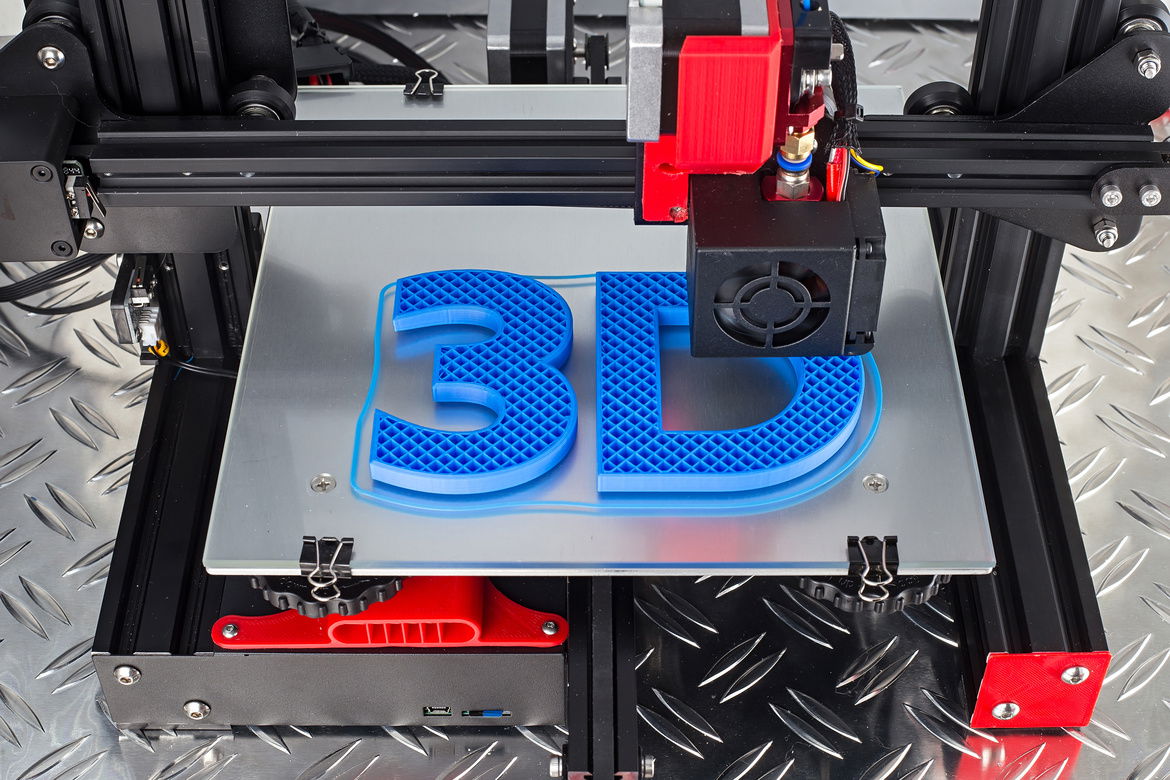
Shopping for a 3D printer can be slightly intimidating, especially if it’s going to be your very first machine. There are thousands of models out there, so how can you possible land on one?
It’s actually easier than you might think! Even if you’re a beginner, you don’t need a PhD in plastics. You just need a solid checklist of what to consider before your first 3D printer purchase so you end up with a machine you’ll enjoy using. Let’s dive into the details!
Print Goals and the Stuff You Want To Make
Start with a simple question: what do you want to print in the first month? Is it miniatures, cosplay parts, desk organizers, replacement knobs, or cute planters? Whatever it is, this is the single most important thing to figure out because it points you toward the right printer type and size. You want to pick the printer that matches your projects, not the one that wins the spec-sheet contest.
Budget Beyond the Printer Price
The printer cost is just the entry ticket. Here’s a short list of additional costs you’ll need to take on:
- filament
- tools (like hex keys, calipers, scrapers, cutters, etc.)
- spare parts (like nozzles and build plates)
- drying solution for filament
Space, Noise, and Where You’ll Put It
A 3D printer needs to stay in a dedicated spot with a stable surface that won’t constantly be in your way. The area should also have ample airflow, for the sake of the 3D printer and your nose. You’ll want to decide between enclosed or open models here, since an enclosure can make a printer exist more seamlessly in your environment (while also improving print quality).
Materials and the Learning Curve
Different 3D printers are compatible with different filaments. Your basic options include PLA, PETG, and ABS, but there are so many more. However, most beginners start with PLA, so we highly recommend you find a printer that can work with that filament.
Support, Parts, and Long-Term Care
When you buy a 3D printer, you’re buying into an entire ecosystem that you must maintain. So it’s important to be aware of the availability of support, parts, and long-term care for the model you’re interested in. Check how easy it is to get replacement parts, how active the community is, and how good the documentation feels.
Keep in mind that firmware updates are an important part of maintenance, so look for a brand that treats software like a feature, not an afterthought.
Slicer Software and Ease Of Use
The slicer turns your model into printer instructions, so it matters a lot. A beginner-friendly interface, good default profiles, and a strong preview mode help you catch mistakes before you waste filament. For your first 3D printer, look for models with well-tuned presets.
By now, you’ve got a practical roadmap to a successful first 3D printer purchase instead of a pile of confusing options. Now that you know what to consider, you can choose a setup that fits your space and your vibe. Best of luck shopping!