
Tips to Optimize Interior & Exterior Lighting Systems Today
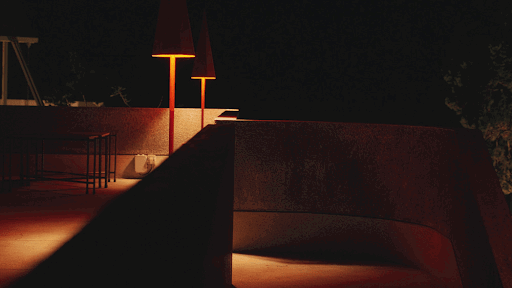
Lighting plays a critical role in how a home looks, feels, and functions. Well-planned lighting improves comfort indoors, boosts safety outdoors, and reduces long-term energy costs. With advances in lighting technology, homeowners now have more control than ever over efficiency, automation, and design. Optimizing both interior and exterior lighting systems requires a balance of smart product choices, thoughtful placement, and an understanding of how light interacts with your space.
Below are practical strategies to help you get the most value from your lighting setup while keeping performance and efficiency top of mind.
Upgrade Interior Fixtures With Energy-Efficient Technology
One of the most impactful steps you can take indoors is replacing outdated bulbs and fixtures with modern alternatives. Older incandescent lighting wastes a significant amount of energy as heat, while newer options focus on converting power directly into usable light. This difference affects both utility costs and maintenance frequency.
According to the United States Department of Energy, residential LED bulbs consume 75% less energy than incandescent options and can last up to 25 times longer. That extended lifespan means fewer replacements and less disruption over time. LEDs are also available in a wide range of color temperatures, making it easier to tailor lighting for kitchens, offices, bedrooms, and living spaces without sacrificing efficiency.
Beyond bulb choice, consider integrating dimmers, occupancy sensors, and smart lighting controls. These technologies allow lights to adjust automatically based on usage patterns, time of day, or natural light levels. When combined with efficient bulbs, smart controls help reduce unnecessary energy use while maintaining consistent illumination where it matters most.
Design Exterior Lighting Around Low-Voltage Systems
Outdoor lighting often serves multiple purposes, including security, navigation, and curb appeal. However, exterior systems must also account for exposure to weather, wiring complexity, and safety concerns. Choosing the right type of system is essential for long-term reliability.
As noted by This Old House, most modern landscape lighting systems rely on low-voltage power rather than traditional 120 volt setups. These lower voltage systems are generally safer to install and operate, and they tend to cost less to run over time. The reduced electrical load also makes them easier to expand as your outdoor lighting needs change.
To optimize performance, focus on strategic placement instead of excessive brightness. Use path lights to guide walkways, spotlights to highlight architectural features, and downlighting to create subtle ambiance. Timers and photocells can further enhance efficiency by ensuring outdoor lights operate only when needed, such as after sunset or during specific hours.
Control Natural Light With Window Tint Solutions
Lighting optimization is not limited to fixtures alone. Managing how sunlight enters your home can significantly influence interior brightness, comfort, and material longevity. Uncontrolled sunlight may cause glare, overheating, and fading of furniture and flooring.
According to Medium, window tinting can block up to 99% of UV light while still allowing visible light to pass through. This reduction helps protect interior surfaces from sun damage and supports more stable indoor lighting conditions throughout the day. By minimizing harsh sunlight, artificial lighting can be used more efficiently and consistently.
Modern window films come in a variety of finishes, including neutral, reflective, and ceramic options. When paired with smart lighting systems, tinted windows help create a balanced environment where natural and artificial light work together rather than compete.
Optimizing your interior and exterior lighting systems is a combination of smart technology, efficient design, and thoughtful planning. From upgrading interior bulbs to designing safer outdoor setups and managing natural light, each improvement contributes to better performance and lower long-term costs. By leveraging modern lighting solutions, homeowners can create spaces that are not only well-lit, but also adaptable, efficient, and future-ready.