
Tips for Keeping Your Drains Clean
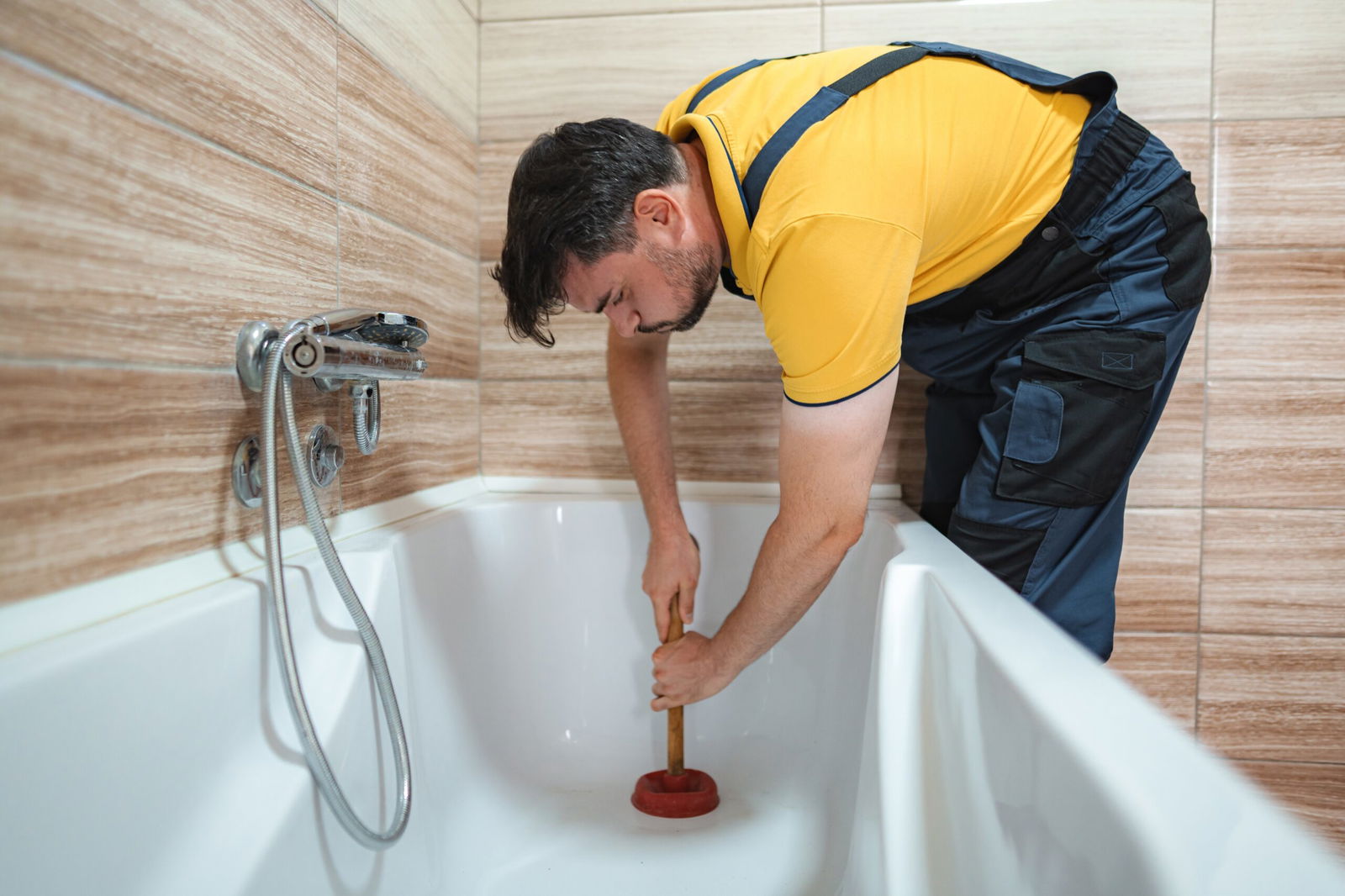
Drain maintenance might not be at the top of everyone's to-do list, but it's essential for preventing costly repairs and fostering a healthy plumbing system. From the kitchen sink to the bathroom shower, each drain in your home is susceptible to clogging and damage if not well-maintained. Ignoring the signs of a slow drain can lead to bigger problems, such as backups and pipe damage. By following some simple tips, you can keep your drains free-flowing and smelling fresh. Keep reading to discover how to stay ahead of the game with your plumbing.
Understanding the Importance of Regular Drain Maintenance
Regular drain maintenance is a critical but often overlooked aspect of home care. Neglecting this duty can lead to blockages that disrupt daily activities and cause unpleasant odors to permeate your home. Moreover, keeping an eye on the condition of your drains can help identify issues early, potentially saving you from expensive repairs or replacements down the line.
Preventive maintenance includes simple steps such as routinely using a strainer to catch debris and flushing the drains with hot water to remove buildup. It's also a good practice to inspect your pipes periodically for signs of wear and tear. By proactively maintaining your drains, you preserve the integrity of your entire plumbing system.
Lastly, in the event of severe clogs or damage, seeking professional help is essential to properly address the problem. The best drain cleaning company in Portland, for instance, can offer expert services to ensure your plumbing system is functioning correctly, preventing issues from recurring.
Preventive Measures to Avoid Clogged Drains
One of the best ways to avoid clogged drains is to be mindful of what goes down them. Installing fine mesh screens over drains can catch hair and other debris that could form a blockage. It's a simple, low-cost preventive measure that can save you a lot of hassle in the long run.
Regular cleaning is also key to preventing blockages. Even with protective measures, small particles and grease can accumulate over time. Make it a habit to clean your drains weekly using natural cleaners or a plumber's snake for larger obstructions that are just forming.
Be conscious of what you flush down the toilet; only human waste and toilet paper are meant to go down your bathroom drains. Flushing items like feminine hygiene products, cotton swabs, or wipes can lead to serious plumbing issues.
The Dos and Don'ts of Drain Disposal Practices
When it comes to what you put down your drains, some practices can help maintain their cleanliness, while others can be detrimental. Do run cold water when using your garbage disposal to help chop up food and carry it away. And do make sure to dispose of food scraps and coffee grounds in the trash or compost bin, not the sink.
On the other hand, there are several items you should never dispose of through your drains. Don't pour chemicals, paint, or solvents down your sink; they can damage your pipes and harm the environment. Similarly, don't treat your toilet like a trash can; even items labeled as “flushable” can often cause blockages.
By following these straightforward dos and don'ts, you can greatly reduce the likelihood of clogs and the need for emergency plumbing. It's about creating good habits and being aware of the long-term effects of your disposal practices on your home's plumbing health.
Professional Drain Cleaning Services Versus DIY Approaches
When faced with a clogged drain, many homeowners are tempted to tackle the problem on their own. While a DIY approach can sometimes be effective, particularly for minor clogs, there are distinct advantages to professional drain cleaning services. Professionals have specialized tools and expertise that allow them to quickly and effectively remove blockages without damaging your plumbing.
Additionally, DIY methods often involve the use of chemical drain cleaners that can be harmful to your health and the environment. Prolonged use of these chemicals can also degrade your plumbing over time, leading to leaks and other issues. Professional plumbers, on the other hand, can utilize safer and more sustainable methods.
Ultimately, while some minor drain maintenance can be done by homeowners, it's wise to recognize when to call in the experts. Professional plumbers can ensure that your drains remain in top condition, preventing the need for costly repairs in the future.
Overall, keeping your drains clean requires a balanced approach of regular maintenance, smart disposal practices, and knowing when to seek professional assistance. By adhering to these guidelines, you can prolong the life of your plumbing system and avoid the unpleasantness of clogged drains.