The Pros and Cons of Using AI in Manufacturing Plants
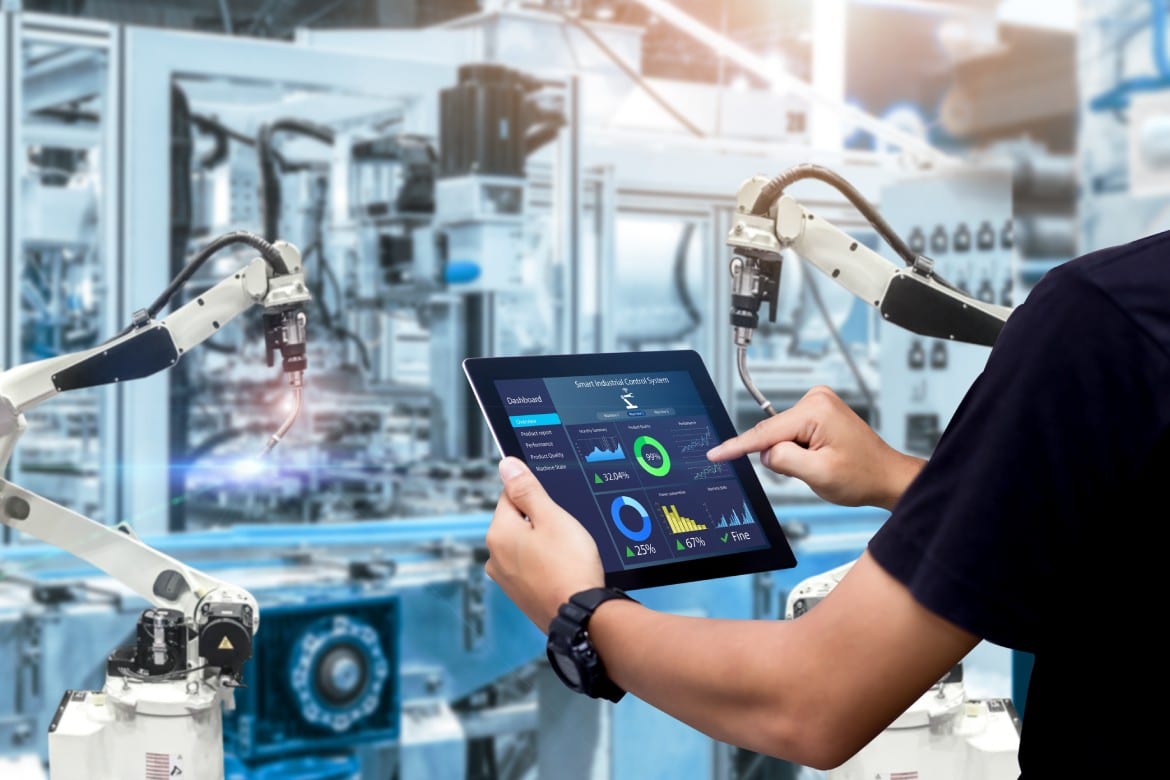
Artificial Intelligence (AI) has taken the world by storm, revolutionizing various industries, including manufacturing. The pros and cons of using AI in manufacturing plants have become a hot topic of discussion.
AI promises to enhance production efficiency and quality but also brings challenges that need careful consideration. Let’s explore the benefits and drawbacks of incorporating AI into your manufacturing operations.
Pros of Utilizing AI in Your Manufacturing Operations
AI has the potential to improve your manufacturing operations when used correctly. Here are three primary advantages of using AI in manufacturing.
Faster Production Cycles and Lower Costs
AI can streamline processes, automate repetitive tasks, and optimize production schedules. With AI, machines can operate 24/7 without needing breaks, leading to increased productivity and reduced labor costs. This efficiency is particularly beneficial when designing custom sheet metal parts, as AI can swiftly adapt to different specifications and production requirements.
Identifying Problems Before Things Break
AI’s predictive maintenance capabilities are a game-changer in manufacturing. AI can identify patterns and predict when a machine is likely to fail by analyzing the machine or equipment’s data. This proactive approach ensures timely maintenance, preventing costly downtime and unexpected repairs.
Enhanced Product Defect Detection
Quality control is crucial in manufacturing, and AI significantly enhances product defect detection. Traditional inspection methods are time-consuming and prone to human error.
AI-powered systems can quickly and accurately inspect products for defects. Machine learning algorithms can learn from previous inspections and continuously improve their accuracy, leading to higher-quality products, reduced waste, and enhanced customer satisfaction.
Cons of Utilizing AI in Your Manufacturing Operations
While using AI has advantages, you must also carefully consider its drawbacks. Let’s explore three cons of utilizing AI in manufacturing operations.
Requires Expensive Hardware and Software
Implementing AI in manufacturing comes with a hefty price tag. Advanced AI systems require sophisticated hardware and software, which is expensive to purchase and maintain.
Small and medium-sized manufacturers might find it challenging to justify the initial investment. Additionally, ongoing, maintenance, and training costs can add up over time, making AI adoption a significant financial commitment.
Potential for Workforce Displacement
While AI can enhance efficiency, it also raises concerns about workforce displacement. Automation of tasks traditionally performed by humans can lead to job losses. Workers may need to acquire new skills to stay relevant in an AI-driven manufacturing environment.
Becoming Overly Reliant on AI
Overdependence on AI systems might lead to complacency and reduced human oversight. The lack of human intervention when AI fails or encounters unforeseen issues can result in significant disruptions. Maintaining a balance between AI and human involvement is crucial to protecting the resilience and adaptability of manufacturing operations.
As AI’s impact on business operations grows, manufacturers must weigh the pros and cons of using AI in manufacturing plants. While AI offers numerous benefits, such as faster production cycles, predictive maintenance, and enhanced defect detection, it also presents challenges such as high costs, potential job displacement, and the risk of overreliance. By carefully considering these factors, manufacturers can make informed decisions about integrating AI into their operations.