The Role of Fact-Checking Websites in Today’s Digital Age
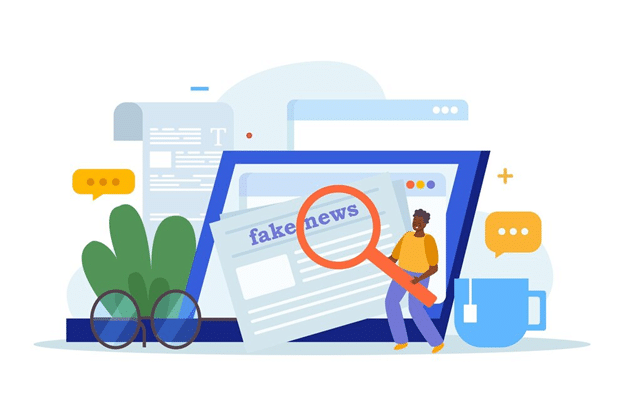
The internet has brought about a significant transformation in how people access and share information. This shift has provided remarkable benefits but also posed substantial challenges, particularly regarding the proliferation of misinformation and fake news. The problem these days is that virtually anyone can publish content. This is why validating the accuracy and reliability of information has become a necessity. Fact-checking websites are very helpful here as it helps in telling the difference between truth and lies.
The Rise of Misinformation: A Growing Concern
Misinformation can spread rapidly across the internet and it can influence public opinion and decisions. Due to their large and diverse user base, social media platforms are being used to spread false information, which reaches millions within minutes.
According to the Pew Research Center, 48% of American adults get their from social media platforms. These alarming figures highlight the necessity for reliable fact-checking sources to counteract the spread of misinformation.
The effect of misinformation becomes particularly evident during crises such as natural disasters or health epidemics. Incorrect information during these times can lead to panic, poor decision-making, and even life-threatening consequences. One good example is during the COVID-19 pandemic, where misinformation about the virus and its treatments proliferated. It has caused widespread confusion and undermined public health efforts. Such scenarios underline the need for effective fact-checking practices and recognizing web trust signals to disseminate accurate information.
Why Fact-Checking Matters
Fact-checking serves as an indispensable tool for verifying the integrity of online information. The significance of this practice extends across different primary dimensions:
Accuracy
Fact-checking guarantees that the information consumers receive is correct. When you’re provided with correct info, you’re forming a foundation for informed decision-making for both personal and professional matters.
Trust
Regular fact-checking builds trust in media outlets and other information sources. This helps in building a more informed and confident online community or what is commonly known as netizens.
Transparency
When you’re providing transparent and verifiable data sources, you’re establishing credibility and this allows users to independently confirm the information.
Educational Value
Teaching individuals to critically evaluate information before taking action or making any decisions will improve their media literacy. In addition, this will train them to be more cautious and wise when browsing websites or reading content online.
Public Safety
Accurate information can prevent harm and promote public safety in times of crises. Misinformation can have adverse effects and consequences which can be avoided when the public has access to accurate and verified content.
Accountability
Holding public figures, personalities and organizations accountable for the information they disseminate discourages them from spreading false information. Since they know that there are possible consequences for posting fake news, this promotes honesty in public communication.
Tips for Effective Fact-Checking
Doing fact-checking is not a quick and easy task. You can’t just look at a content for just a few seconds and identify one as fake or factual. It takes careful attention and a systematic action in order for your efforts to be effective. These tips would definitely help:
Check the Source
Verify the credibility of the website or author to verify if the information is trustworthy. This includes the following:
- Research on the background of the source
- Check for a history of accuracy
- Look into any connections that might influence the content
Reliable sources are usually well-known, have a proven track record of factual reporting, and are transparent about their authorship and funding.
Check the Dates
One of the most important things that you need to check is that the information is current. This is because outdated data may lead to inaccuracies. Information can change over time, and what was once accurate may no longer be relevant, so even if you found information from a reliable source, it may still be unreliable if it was published weeks or years ago. Always check the publication date and consider the context in which the information was produced.
Cross-Reference
Confirm the information by consulting multiple reputable sources. Comparing different accounts of the same event or claim allows you to identify discrepancies. In addition, it will also allow you to have a better understanding of the topic. Among the good starting points for cross-referencing are the following:
- Trusted news organizations
- Academic publications
- Official reports
Look for Bias
Identify any potential biases or agendas within the content. Bias can shape how information is presented, so it's important to recognize when a source may have a particular slant. Consider the language used, the selection of facts, and the framing of arguments to detect bias.
Consult Experts
Seek validation from subject matter experts to ensure the accuracy of complex information. Experts can provide insights that are not readily available in general sources, and their professional background allows them to evaluate the nuances of a subject accurately.
Use Fact-Checking Sites
Utilize established fact-checking platforms for verifying claims. These websites specialize in investigating the veracity of various claims and can be valuable tools for fact-checkers:
- Snopes
- FactCheck.org
- PolitiFact
- Retraction Watch
- Lead Stories
Check for Supporting Evidence
See if the evidence that was presented is genuinely supporting the claims that are being made. The best thing to do here is to assess the quality and relevance of the evidence. Consider whether it logically and factually backs up the assertions.
The Battle Against Misinformation Continues!
Fact-checking websites has become one of the most effective strategies in the ongoing battle against misinformation. It’s a practice that helps in creating a more informed and responsible society. Remember, always verify information before sharing it, and make sure that you rely on reputable fact-checking sources and tools in your quest for truth.