
Maximizing Your Reach: Effective Strategies for Leaflet Distribution
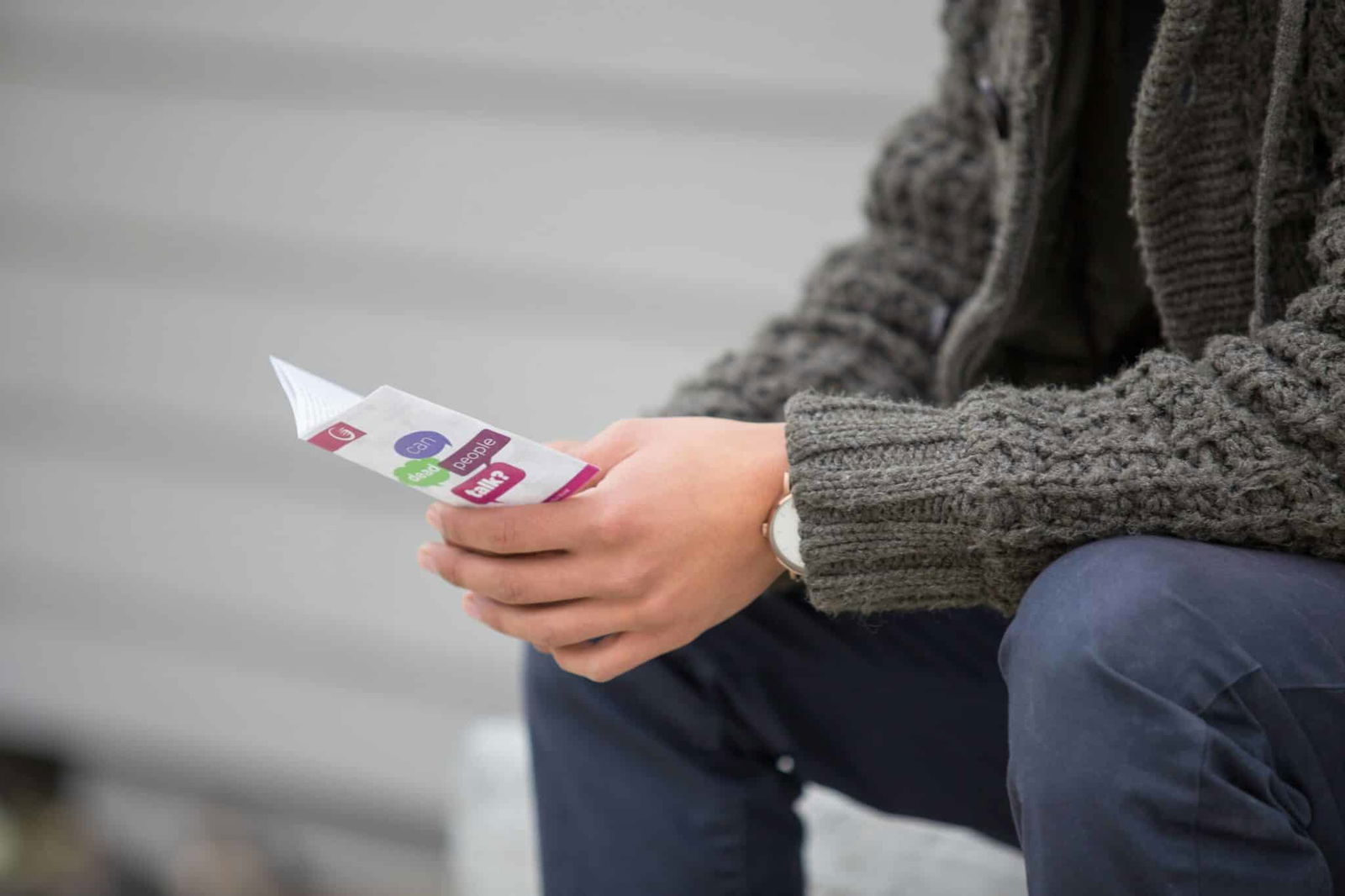
In the age of digital marketing, traditional methods like leaflet distribution still hold significant value. Despite the rise of online marketing, leaflets provide a tangible way to connect with potential customers. They can effectively raise awareness, promote events, and drive sales when used strategically.
This guide will explore effective strategies to maximize your reach through leaflet distribution.
Understanding Your Target Audience
● Demographics
Understanding the demographics of your target audience is crucial to create an effective leaflet distribution strategy. This includes age, gender, income level, education, and occupation. Tailoring your leaflet to resonate with the specific needs and preferences of different demographic groups can significantly increase its effectiveness.
● Psychographics
Psychographics delve into the lifestyles, values, interests, and attitudes of your target audience. This helps create a more personalized and engaging message. For instance, if your audience values sustainability, highlighting eco-friendly practices in your leaflet can make a substantial impact.
● Geographic Targeting
Geographic targeting involves distributing your leaflets in locations where your target audience is most likely to be. This can be determined by analyzing data on where your current customers come from and identifying areas with similar demographics.
Designing an Effective Leaflet
● Visual Appeal
A visually appealing leaflet is more likely to catch the eye of potential customers. Use high-quality images, bold headlines, and vibrant colors to make your leaflet stand out. Ensure that the design aligns with your brand’s identity for a cohesive look.
● Clear Messaging
Your leaflet should communicate its message quickly and clearly. Use concise language and bullet points to convey key information. The headline should grab attention, while the body text should provide necessary details without overwhelming the reader.
● Call to Action (CTA)
Every leaflet should have a clear call to action. Whether it’s visiting your store, attending an event, or checking out your website, make sure the CTA is prominent and compelling. Use phrases like “Visit us today,” “Limited time offer,” or “Call now for more information.”
● Incorporating QR Codes and URLs
Including QR codes and URLs can bridge the gap between your physical leaflet and your online presence. QR codes allow recipients to easily access your website, special offers, or social media pages with a quick scan. Ensure that these links lead to mobile-friendly landing pages for the best user experience.
Choosing the Right Distribution Methods
● Door-to-Door Distribution
Door-to-door distribution involves delivering leaflets directly to homes within a targeted area. This method can be highly effective, especially in residential neighborhoods where people are more likely to take the time to read your leaflet. To maximize efficiency, consider using a professional distribution service that can target specific postal codes.
● Hand-to-Hand Distribution
Handing out leaflets in high-traffic areas such as shopping centers, train stations, or busy streets allows for direct interaction with potential customers. This method provides an opportunity for immediate feedback and engagement. Make sure your distributors are approachable and well-informed about your campaign to answer any questions that may arise.
● Placement in Strategic Locations
Strategically placing leaflets in locations frequented by your target audience can also be effective. Consider placing them in cafes, libraries, community centers, and other local businesses. Ensure you have permission from the venue before placing your leaflets.
Timing Your Distribution
● Seasonal Considerations
Timing your leaflet distribution to coincide with seasonal events or holidays can significantly boost its effectiveness. For instance, a leaflet promoting a summer sale should be distributed in late spring or early summer, while one for a holiday event should go out well in advance of the holiday season.
● Event-Based Timing
If your leaflet is promoting a specific event, ensure it reaches your audience in time for them to plan their attendance. Distribute leaflets several weeks before the event date and consider a follow-up distribution closer to the event as a reminder.
● Peak Hours for Specific Locations
Distributing leaflets at times when your target audience is most likely to be in a particular location can enhance visibility. For example, handing out leaflets at a train station during morning and evening rush hours can capture the attention of commuters.
Tracking and Measuring Success
● Response Rates
Track how many people respond to your leaflet by including unique promotional codes, URLs, or QR codes. This will help you determine the effectiveness of your campaign and make necessary adjustments for future distributions.
● Conversion Tracking
Beyond just response rates, measure how many of those responses lead to actual conversions. This could be sales, event attendance, or website visits. Analyzing this data will provide insights into the return on investment (ROI) of your leaflet distribution campaign.
● Analyzing Feedback
Collect feedback from recipients to understand what worked and what didn’t. This can be done through surveys, social media interactions, or direct conversations. Use this information to refine your strategy and improve future campaigns.
Legal and Ethical Considerations
● Compliance with Local Laws
Ensure your leaflet distribution complies with local laws and regulations. Some areas have specific rules regarding where and how leaflets can be distributed. Familiarize yourself with these regulations to avoid fines or other legal issues.
● Respecting No-Cold-Calling Zones
Some neighborhoods have no-cold-calling zones where unsolicited leaflets are not welcome. Respect these areas to maintain a positive reputation for your business and avoid potential conflicts with residents.
● Ensuring Eco-Friendly Practices
In today’s environmentally conscious world, it’s important to consider the environmental impact of your leaflet distribution. Use recycled paper and eco-friendly inks, and encourage recipients to recycle the leaflet after use. Highlighting your commitment to sustainability can also enhance your brand image.
Conclusion
Your reach and marketing goals can be maximized through strategic leaflet distribution, analyzing your audience, creative designs, appropriate strategies, and right timings. Observing lawful, moral, and environment friendly standards guarantees responsible initiatives.