
How Death is Remembered: From Ancient Gravestones to Modern Cremation
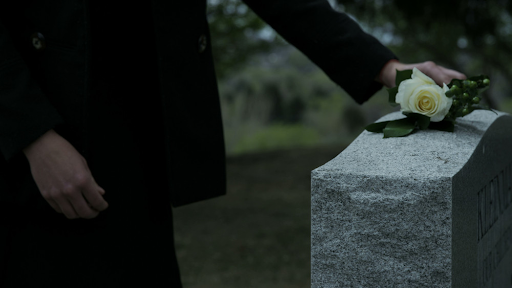
Death, a subject both profound and inevitable, has continually puzzled and intrigued humanity over centuries. The ways we honor and remember the deceased have evolved significantly from ancient times to the modern era, reflecting cultural shifts and technological advancements. This exploration into how death is remembered offers insights into how different societies cope with loss and memorialize loved ones, revealing the delicate balance between tradition and innovation in funeral practices.
Ancient Gravestones and Their Significance
Gravestones have served as markers of remembrance for thousands of years. In ancient Celtic and Roman cultures around 3,000 BCE, grave markers were more than just stone; they were deeply intertwined with spiritual beliefs. Elaborate carvings and inscriptions captured both personal and cultural stories, making them invaluable to modern archeologists and history geeks.
Early gravestones often featured symbols that represented beliefs about the afterlife. In many cultures, such as the Celts, gravestones were crafted with attention to both spiritual and social status. They communicated not just a name and a date, but a message intended to travel through time, speaking to future generations.
Today, when we visit historical sites and cemeteries, these ancient markers offer a tangible connection to the past. They remind us that our modern practices have deep roots, evolving from a desire to honor and remember those who have gone before us. The gravestones serve as a testament to the enduring human need to remember and immortalize those who have passed away.
Cherubs and Other Gravestone Symbols
By the mid-1700s, gravestone symbolism had expanded to include a variety of motifs, including the popular cherub. This period was marked by changes in religious and aesthetic sensibilities, which communicated evolving societal values. Cherubs, often depicted with innocent, angelic features, symbolized the soul's ascension to heaven, offering comfort to the grieving.
Aside from cherubs, other symbols, such as skulls, hourglasses, and urns, were frequently used. Each symbol carried its own story or moral, a visual shorthand for deeper beliefs about life and mortality. As a gravestone geek might attest, deciphering these symbols reveals a fascinating narrative of the cultural zeitgeist of the period.
Over time, as artistic styles changed and religious influences shifted, so too did the symbols carved into gravestones. The motifs captured cultural shifts, serving as a historical record of both individual lives and broader societal changes. They remain a rich field of study for those interested in the intersection of art, culture, and mortality.
The Rise of Cremation in Modern Times
In recent decades, cremation has become increasingly popular as a method of handling the deceased. The National Funeral Directors Association projected the cremation rate in 2024 to be 61.9%, a stark contrast to the burial rate of 33.2%. This shift reflects a broader trend towards personalization and environmental consciousness in funerary practices.
Cremation offers flexibility and can be more cost-effective compared to traditional burials. Many people find solace in deciding how to handle the remains, whether by scattering ashes in a meaningful location or preserving them in an urn. These choices allow families to create unique memorials, a practice that holds appeal for those who value personal expression and sustainability.
The rise of cremation also reflects our changing attitudes towards death and memory. Today’s society is often driven by efficiency, and cremation offers a practical solution. Despite this practicality, the emotional and cultural need to remember and honor those we've lost remains strong, driving innovation in memorial practices.
Through centuries of change, from carved stone to cremated remains, the way we remember death continues to evolve alongside our growing societal complexities. Each symbol, grave marker, or urn tells a unique story and connects us to a broader narrative of human experience. As we look to the future, these practices will undoubtedly change, but the underlying human need to honor and remember will persist, binding communities together across time and cultures.