
Illuminating Safety: The Importance of Exit and Emergency Light Fixtures in Commercial Buildings
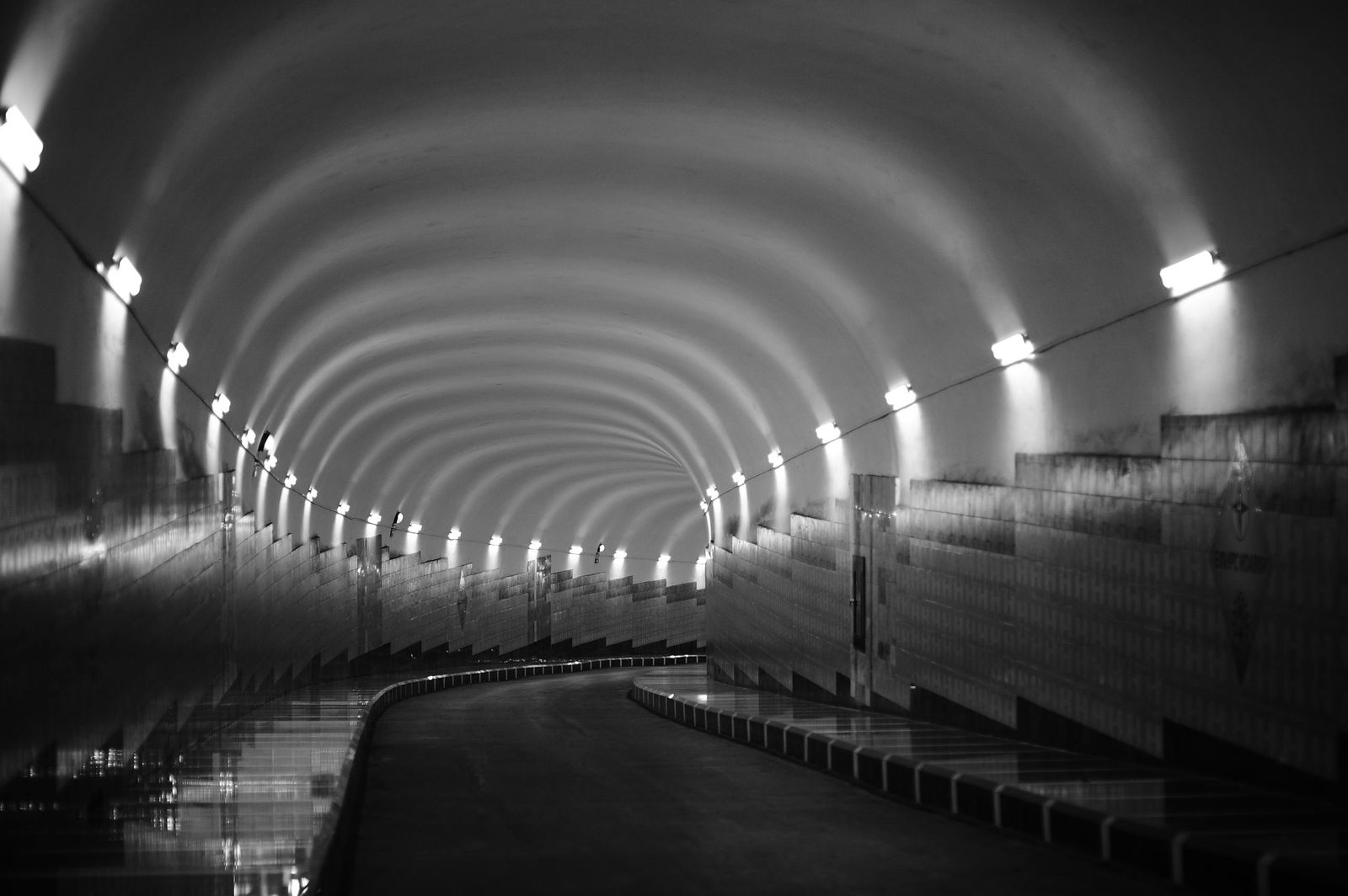
The safety of individuals in commercial spaces is a top priority for building owners and facility managers alike. In the midst of emergencies such as power outages, fires, or natural disasters, exit and emergency light fixtures play a fundamental role in guiding occupants to safety. Understanding the significance and proper implementation of these fixtures is essential for maintaining a secure environment.
Understanding the Role of Exit and Emergency Lighting in Commercial Safety
In a crisis, every second counts. Exit and emergency lighting help facilitate quick and orderly evacuation by illuminating routes to exits. These fixtures are strategically placed to ensure visibility of escape routes and exits, even in smoky or dark conditions. The presence of well-functioning emergency lights can greatly reduce panic among occupants and help avoid injuries during evacuation.
The visibility of exit signs is equally important as they point towards the nearest egress. They are often coupled with emergency lights to provide continuous guidance, especially in complex or large buildings where the path to safety may not be immediately apparent. Ensuring that these lights are active and visible is not only a safety measure but also a legal requirement in most regions.
Emergency lighting fixtures are designed to operate independently of the main power supply. In the event of a power failure, these lights switch to battery power, enabling them to continue functioning. This reliable source of illumination is vital in helping everyone from employees to clients exit the building safely during emergencies.
Ongoing inspection and testing are required to ensure that these systems are operational when needed. As such, facility managers must regularly assess the efficiency and readiness of their Exit and Emergency Light Fixtures, as any malfunction or inadequacy can have dire consequences during an emergency.
Compliance with Codes and Regulations for Emergency Lighting
The installation and maintenance of exit and emergency lighting are subject to various codes and regulations. These guidelines are established by local, state, and federal authorities and are designed to ensure a minimum standard of safety across all commercial properties. Non-compliance can not only lead to penalties but also jeopardize the safety of building occupants.
Building codes such as the International Building Code (IBC) and the National Fire Protection Association (NFPA) standards outline the specific requirements for emergency lighting. These codes dictate factors such as the minimum levels of illumination, the duration of emergency lighting, and the placement of fixtures. Regular updates to these codes mean that building owners must stay informed and adjust their systems accordingly.
In addition to legal compliance, adherence to these codes is crucial for passing safety inspections. Inspectors look for proper installation, adequate light levels, and sufficient battery backup during evaluations. Ensuring that emergency lighting systems meet or exceed these codes is a responsibility that cannot be overlooked.
It's also important to take into account the specific needs of each building when complying with these regulations. Different types of commercial properties, such as theaters, hotels, or sports arenas, may have unique requirements that tailor to their layout and usage, making a one-size-fits-all approach ineffective.
The Impact of Proper Maintenance on Emergency Light Performance
Maintenance is critical for ensuring that emergency lighting systems function correctly during an emergency. A well-maintained emergency light is more likely to stay operational when it matters most. Routine checks can uncover issues such as burnt-out bulbs, depleted batteries, and physical obstructions that may impair performance.
Proper maintenance routines include monthly and annual tests of emergency lighting systems. Monthly tests might involve a short period of operation to confirm functionality, while annual tests usually entail a more prolonged period to verify the battery's capability to last through an extended outage. Maintaining a log of these tests is also a key aspect of responsible emergency lighting management.
Upkeep extends beyond testing to include cleaning and physical inspections of the fixtures. Dust and dirt can accumulate over time, reducing the effectiveness of the lights. Likewise, checking for loose connections or signs of wear and tear is an essential preventative measure.
Training staff to understand emergency lighting systems is also a part of maintaining safety standards. Employees who are familiar with the operation and testing procedures can be instrumental in spotting and reporting malfunctions immediately, initiating prompt rectification work.
Overall, Exit and Emergency Light Fixtures in commercial buildings cannot be overstated. These fixtures are vital for guiding occupants to safety and ensuring a rapid response during an emergency.