
Concrete Curing, Industry Growth, and Contractor Presence in the U.S.
Curing Concrete: The Foundation of Robust Structures
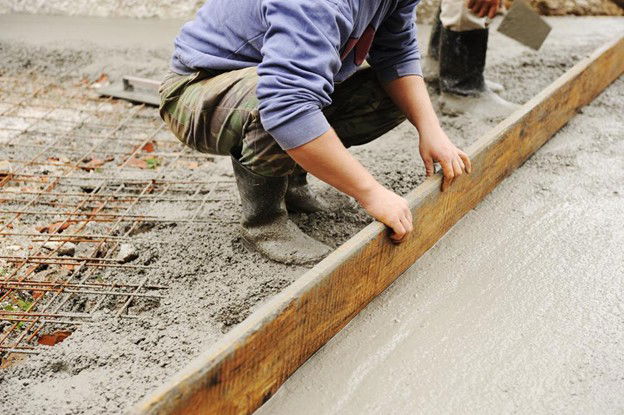
Concrete curing is a critical process that directly impacts the structural integrity of a building. This process involves maintaining adequate moisture, temperature, and time to allow the concrete to achieve its desired strength. According to This Old House, a minimum duration of 24 hours is recommended for concrete to start curing. However, this duration can vary depending on environmental conditions and the specific type of concrete mix used. It is essential to ensure that homeowners and contractors adhere to these guidelines to prevent premature cracking and ensure long-lasting durability in home construction.
The curing process has long-term implications on the overall performance and sustainability of concrete structures. Prolonging the curing period can significantly enhance the material’s resistance to external compressive forces. This practice is particularly vital in regions with extreme weather variations, where temperature shifts can affect a home's concrete stability. The control of moisture levels during this time is paramount, as dehydration can lead to surface weaknesses. Thus, the importance of home builders understanding and implementing effective curing techniques cannot be overstated.
Technological advancements have introduced innovative solutions that optimize concrete curing processes. From chemical admixtures that accelerate curing to advanced moisture retention systems, these innovations cater to the evolving needs of the construction industry. Additionally, digital tools now allow for precise monitoring of curing conditions, ensuring optimal results for residential projects. As the home construction landscape continues to evolve, contractors must keep abreast of these developments. Embracing such advancements not only ensures compliance with industry standards but also enhances the overall safety and longevity of concrete structures.
The Expanding Concrete Industry in the U.S.
The concrete industry in the United States is a colossal segment within the construction sector, demonstrating robust growth over recent years. According to Concrete Financial Insights, the production and delivery of concrete is a substantial market, with an impressive revenue generation of $63 billion. This growth trajectory highlights the pivotal role concrete plays in the nation's infrastructure and home construction. The surge in population and subsequent housing demands have necessitated an increase in concrete production and supply. As more Americans invest in new homes, the industry’s expansion seems poised to continue.
Various factors contribute to the booming success of the concrete industry in the U.S. Key among them is the increasing trend towards urbanization, leading to the need for more residential and commercial construction projects. This urban sprawl drives the demand for new roads, bridges, and public amenities, subsequently boosting concrete sales. Furthermore, the push for sustainable building practices has led to an increased preference for eco-friendly concrete mixes. As innovation continues to enhance the versatility of concrete products, its presence in home and commercial projects remains indispensable.
In the face of this growth, the industry also faces challenges that need to be addressed for sustainable development. Environmental concerns about carbon emissions during concrete production necessitate the search for greener solutions. Moreover, fluctuating raw material prices and supply chain disruptions pose significant risks to industry stability.
Contractor Presence and Their Critical Role
Concrete contractors form the backbone of residential and commercial construction, ensuring the effective deployment of concrete solutions. According to IBISWorld, as of 2023, there were 99,066 businesses operating as concrete contractors throughout the United States. These professionals play an integral role in transforming architectural dreams into tangible structures for homeowners. They are responsible for overseeing the placement, finishing, and curing processes, ensuring that every home project meets stringent quality standards. The significance of their contribution to the industry cannot be understated.
The relationship between concrete contractors and their clients is pivotal in driving successful project outcomes. Effective communication and collaboration ensure that client specifications are meticulously followed, enhancing customer satisfaction. As homes represent significant financial investments, contractors must prioritize delivering high-quality workmanship. Additionally, they often guide clients through the decision-making process, helping them select the appropriate concrete mix and curing method for their specific needs. In doing so, they not only bolster their reputation but also contribute positively to the industry’s growth.