
Common Vineyard Pest Problems and What To Do About It
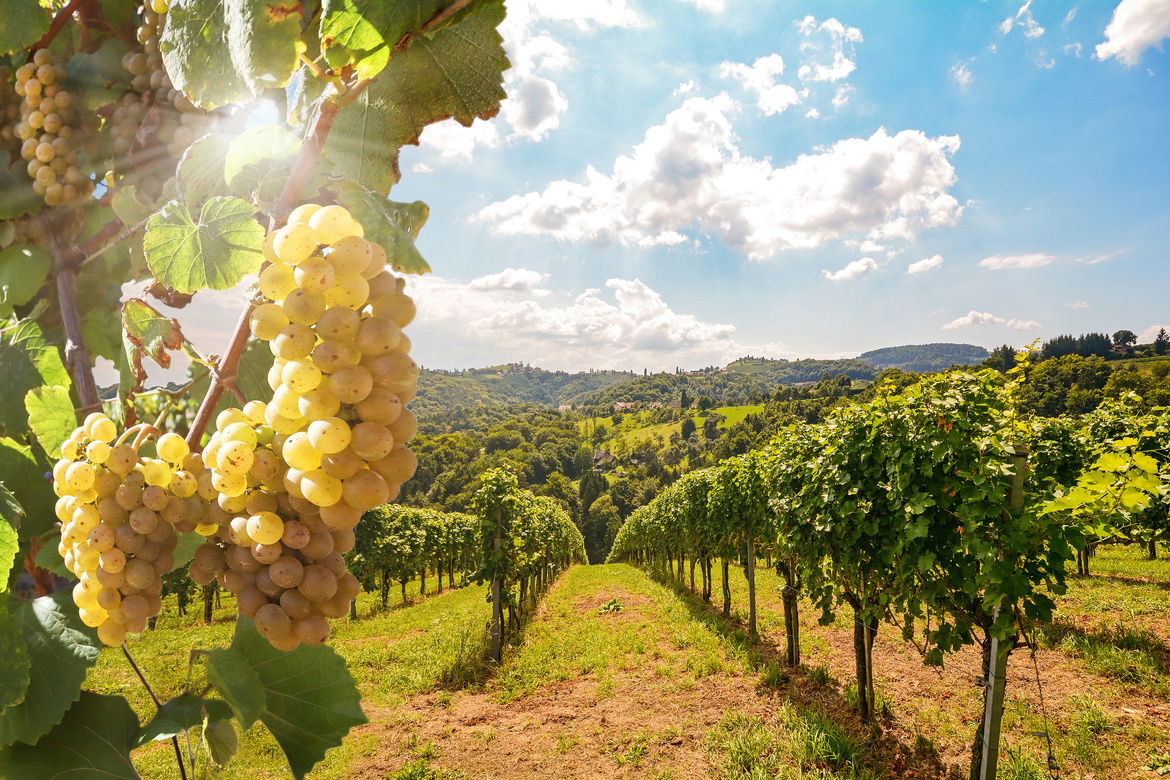
Creating and maintaining a thriving vineyard requires dedication, expertise, and proactive pest management. Pests cause significant damage to grape production, impacting quality and yield. Understanding these common culprits, their effects, and control strategies is vital for every vineyard owner to safeguard their harvest and business. We’re exploring the most common vineyard pest problems and what to do about it to protect your harvest.
Grape Phylloxera: The Root of the Problem
Grape phylloxera, a tiny aphid-like insect, is one of the most notorious pests in vineyards. It feeds on grapevine roots, leading to yellowing leaves, stunted growth, and even plant death if left unaddressed. This pest thrives in sandy soils and can go unnoticed until the damage is extensive.
To combat grape phylloxera, grafting grapevines onto resistant rootstocks is highly effective. Regular inspections allow vineyard owners to detect early signs of damage, which are critical. Without quick intervention, phylloxera infestations can escalate and cause irreversible harm.
Japanese Beetles: A Metallic Menace
Japanese beetles are easily identified by their iridescent green and copper bodies. While their small size might seem insignificant, their appetite for grapevine foliage is not. These beetles quickly defoliate grapevines, compromising photosynthesis and weakening plant health.
Effective management involves several approaches. Manual removal helps when beetle populations are low. Supplementing this by introducing beneficial nematodes to the soil can naturally reduce larvae populations. For larger infestations, employing targeted insecticides provides relief when used responsibly. It’s essential to consider how chemical engineering helps the environment by creating eco-friendly pest control solutions that minimize harm to beneficial insects.
Spider Mites: Tiny but Terrible
Spider mites, though barely visible to the naked eye, wreak havoc in vineyards. By feeding on grapevine leaves, they cause discoloration, leaf drop, and reduced grape quality. Hot, dry conditions accelerate their reproduction, making summer especially challenging for vineyard owners.
Managing spider mites requires a balanced approach. Applying miticides specifically designed for vineyards controls outbreaks. But beyond chemicals, introducing natural predators like predatory mites will keep populations in check. This is another example of how innovations in chemical engineering create solutions that benefit the environment without excessive ecological disruption.
Birds: Stealing the Harvest
Birds are a constant adversary in vineyards, especially as grapes ripen. They consume ripe grapes, peck at bunches, and cause secondary issues like bacterial growth from damaged fruit. Netting prevents bird damage effectively and serves as a physical barrier while allowing proper airflow through the vines.
Another approach involves installing visual deterrents like reflective tape or sound devices to scare birds away. These prevent crop loss while saving valuable resources. A well-maintained vineyard minimizes these risks, which is critical especially after understanding common mistakes to avoid when financing a winery. Overspending on ineffective deterrents or neglecting bird management might lead to significant financial setbacks.
Pest management forms the backbone of a successful vineyard. By addressing threats like grape phylloxera, Japanese beetles, spider mites, and birds, vineyard owners can maintain grape quality and ensure sustainable growth sans pest problems. This proactive approach preserves their harvests and the reputation of their wine.