
How to Build the Bathroom You Want: Simple Steps for Your Dream Space
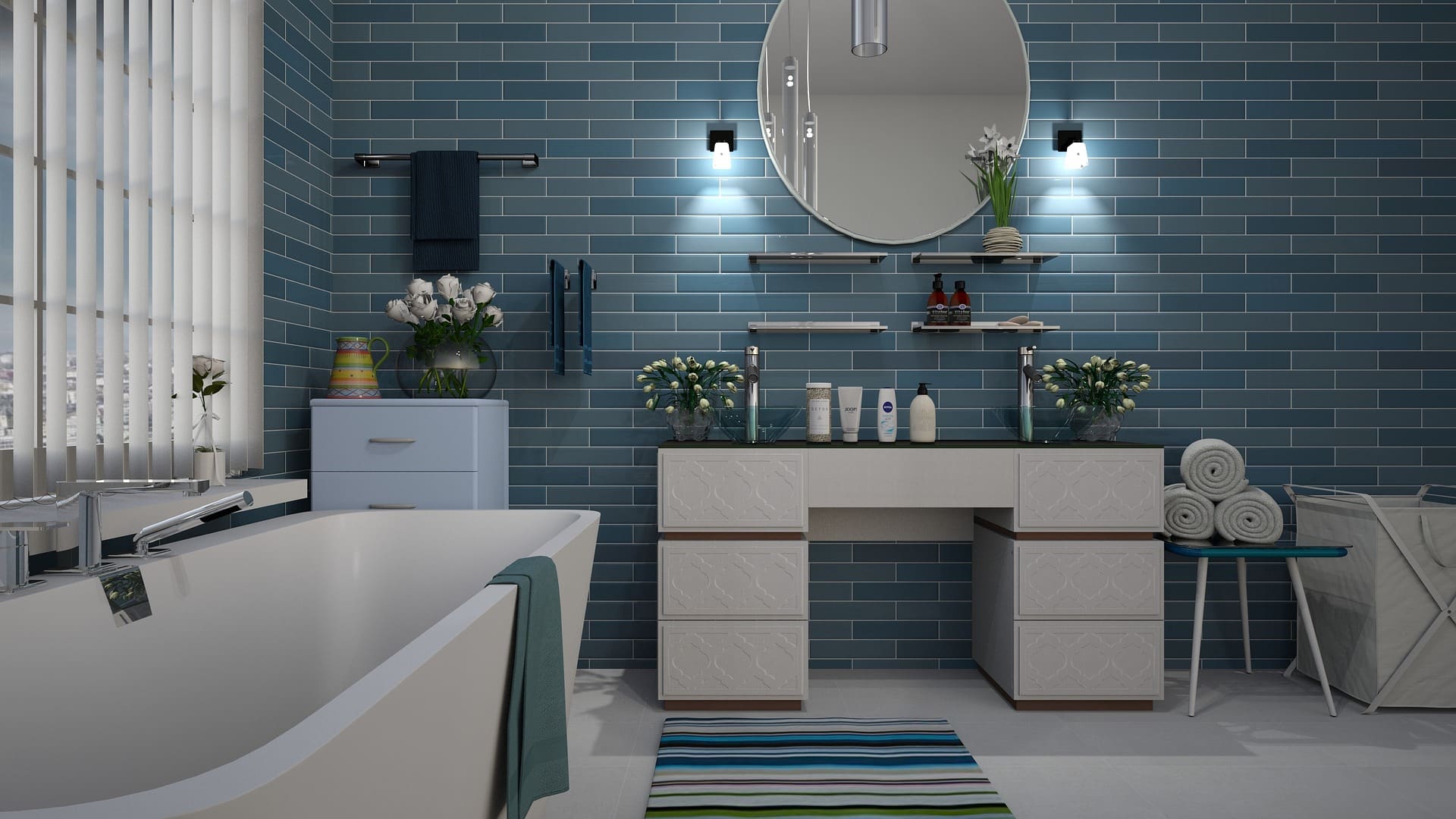
Planning Your Bathroom Build
A well-planned bathroom build creates a space that's both functional and beautiful. Taking time to think through the layout, style, and budget will set you up for success.
Determining Your Bathroom Layout
Start by measuring your bathroom's dimensions. This will help you figure out where to place fixtures and storage. Think about how you use the space daily. Do you need a big shower or a tub? Where will you put towels and toiletries?
Consider the flow of the room. Make sure there's enough space to move around easily. Don't forget about door swings and cabinet openings.
For small bathrooms, try space-saving ideas like a corner sink or a sliding door. In larger rooms, you might add a separate tub and shower.
Plan for good lighting and ventilation. Natural light is great, but you'll also need task lighting for grooming.
Choosing Your Bathroom Style
Pick a style that fits your taste and your home. Do you like a modern look with clean lines? Or do you prefer a cozy, rustic feel?
Look at design magazines and websites for ideas. Save pictures of bathrooms you love. This will help you explain your vision to designers or contractors.
Think about colors, materials, and fixtures. Do you want bright, bold tiles or a calm, neutral palette? Will you use marble countertops or wood?
Don't forget about the little details. Faucets, drawer pulls, and light fixtures can really tie a look together.
Consider how your style choices will affect cleaning and maintenance. Some materials need more care than others.
Setting a Budget
Figure out how much you can spend on your bathroom build. Get quotes from contractors to understand typical costs in your area.
Make a list of must-haves and nice-to-haves. This will help you decide where to splurge and where to save.
Don't forget to budget for unexpected issues. Old homes often have surprises behind the walls. Set aside about 10-20% of your total budget for these surprises.
Look for ways to save money without sacrificing quality. You might find great deals on floor models or during sales. Sometimes, small tweaks like changing hardware can update a look without breaking the bank.
Factor in labor costs. DIY can save money, but some jobs need pros. Plumbing and electrical work often require permits and inspections.
Designing Your Bathroom Vanity
A custom bathroom vanity can transform your space. You can make one that fits your style and needs. Let's look at how to design and build your own vanity.
Selecting Materials and Tools
For your DIY vanity, you'll need wood, paint, and hardware. Pick wood that can handle moisture, like plywood or oak. Get a tape measure, saw, drill, and screws. Don't forget sandpaper and paintbrushes.
Make a list of what you need:
- Wood (plywood, oak, or other moisture-resistant type)
- Paint or stain
- Drawer slides and handles
- Screws and nails
- Tape measure
- Saw
- Drill
- Sandpaper
- Paintbrushes
Choose materials that match your bathroom's look. Think about the color and finish you want.
DIY Vanity Plans and Dimensions
Start with simple plans for your first DIY vanity. Measure your space carefully. A basic vanity is often 32 inches high and 21 inches deep. Width can vary based on your needs.
Here's a basic plan:
- Build a box frame
- Add a top
- Install drawers or shelves
- Attach a front panel
- Paint or stain
Make sure your vanity fits your sink and plumbing. Leave room for pipes. Draw your plan on paper first. This helps you spot issues before you start building.
Optimizing for Small Bathrooms
In a small bathroom, every inch counts. A floating vanity can make your space feel bigger. It also makes cleaning the floor easier.
Try these ideas for small spaces:
- Use a corner vanity
- Add open shelves instead of cabinets
- Make a narrow vanity with a small sink
You can build a vanity as small as 24 inches wide. Use drawers instead of doors to save space. Paint it a light color to make your bathroom feel more open.
Building and Customizing the Vanity
Building your own bathroom vanity lets you create a unique piece that fits your space perfectly. You can choose the size, style, and features that work best for you.
Cutting and Assembling Wood Pieces
Start by measuring your space and drawing up plans for your vanity. Choose sturdy wood like plywood or solid pine. Use a circular saw to cut the pieces to size.
Make sure all your cuts are straight and smooth. Sand any rough edges.
To join the pieces, you can use wood glue and a Kreg jig to make pocket holes. This creates strong, hidden joints.
Assemble the frame first. Add support pieces inside for shelves and drawers. Check that everything is square as you go.
Attach the sides and top once the frame is solid. Use clamps to hold pieces in place while the glue dries.
Creating Drawers and Shelving
Drawers add great storage to your vanity. Build simple drawer boxes from plywood. Make them slightly smaller than the openings.
Add drawer slides for smooth operation. Screw them to the sides of the drawer boxes and inside the vanity frame.
For shelves, cut pieces to fit inside the vanity. Use shelf pins or dadoes to make them adjustable.
You can also add a false drawer front below the sink. This gives a clean look while hiding plumbing.
Don't forget to drill holes for the sink and faucet before you finish assembly.
Finishing Touches and Paint
Sand the whole vanity smooth. Fill any gaps or holes with wood filler.
Prime the wood to seal it and help paint stick. Choose a durable paint made for bathrooms.
Apply 2-3 thin coats of paint, sanding lightly between coats. Let it dry fully.
For extra protection, add a clear polyurethane topcoat. This helps the vanity stand up to moisture.
Install your hardware like drawer pulls and knobs. Make sure to measure carefully so they're even.
Attach the countertop and sink last. Use silicone caulk to seal around the edges and prevent water damage.
Installing Fixtures and Finishing Touches
Adding fixtures and final touches brings your bathroom to life. This stage transforms the space from a construction site to a functional, stylish room.
Mounting the Vanity and Sink
Start by placing your vanity. Make sure it's level and secure it to the wall. For a modern floating vanity, use strong wall anchors.
Next, install the sink. A vessel sink sits on top of the vanity, while others drop in or mount underneath. Apply silicone caulk around the edges to prevent water leaks.
For a farmhouse style, consider a large apron-front sink. These often need extra support, so check your vanity's weight capacity.
Leave space for plumbing connections. Measure twice to ensure your drawers and doors will open without hitting pipes.
Adding Faucets and Plumbing Fixtures
Pick faucets that match your sink and style. Single-handle faucets are easy to use, while widespread models offer a classic look.
Install the faucet before setting the sink in place. This makes it easier to tighten connections.
Don't forget the drain assembly and P-trap. These keep water flowing and prevent sewer gases from entering your bathroom.
For the shower, install the valve before tiling. Then add the trim kit, showerhead, and any body sprays you want.
Choosing and Installing Lighting Fixtures
Good lighting is key for tasks like shaving or applying makeup. Install lights on both sides of the mirror to reduce shadows on your face.
For a rustic look, try mason jar sconces. Modern bathrooms might use sleek LED strips or backlit mirrors.
Add a ceiling light for overall brightness. In larger bathrooms, consider recessed lights to evenly light the space.
Don't forget about safety. Make sure all fixtures are rated for use in damp areas. Install GFCI outlets to protect against shocks.
Accessorizing and Maintaining Your Bathroom
Adding personal touches and keeping your bathroom clean can make it more enjoyable. A well-styled, tidy bathroom helps you start and end each day on the right foot.
Styling with Accessories
Accessories can transform your bathroom's look without breaking the bank. Pick a color scheme and stick to it for a put-together feel. Add a stylish shower curtain to set the tone. Place a small tray on the counter to hold pretty soaps and lotions.
Hang some art on the walls to liven up the space. Choose pieces that can handle moisture. Put a small plant on a shelf for a touch of nature. Use baskets to store extra towels and toiletries.
For a high-end look on a budget, check out Pottery Barn or Restoration Hardware for inspiration. Then find similar items at lower prices. Mix in a few DIY projects, like painting old jars for toothbrush holders.
Regular Maintenance and Upkeep
Keeping your bathroom clean doesn't have to be a chore. Make a quick cleaning routine part of your daily habits. Wipe down the sink and counter after you brush your teeth. Squeegee the shower walls after each use to prevent soap scum.
Once a week, do a deeper clean. Scrub the toilet, tub, and floors. Don't forget to wash your bath mat and towels regularly. Replace your shower curtain liner every few months to keep mold at bay.
Check for leaks under the sink and around the toilet base often. Fix any drips right away to avoid water damage. Clean out your drains monthly to prevent clogs. These simple steps will keep your bathroom fresh and functional.