
Top Car Interior Materials for 2024: Comfort Meets Style
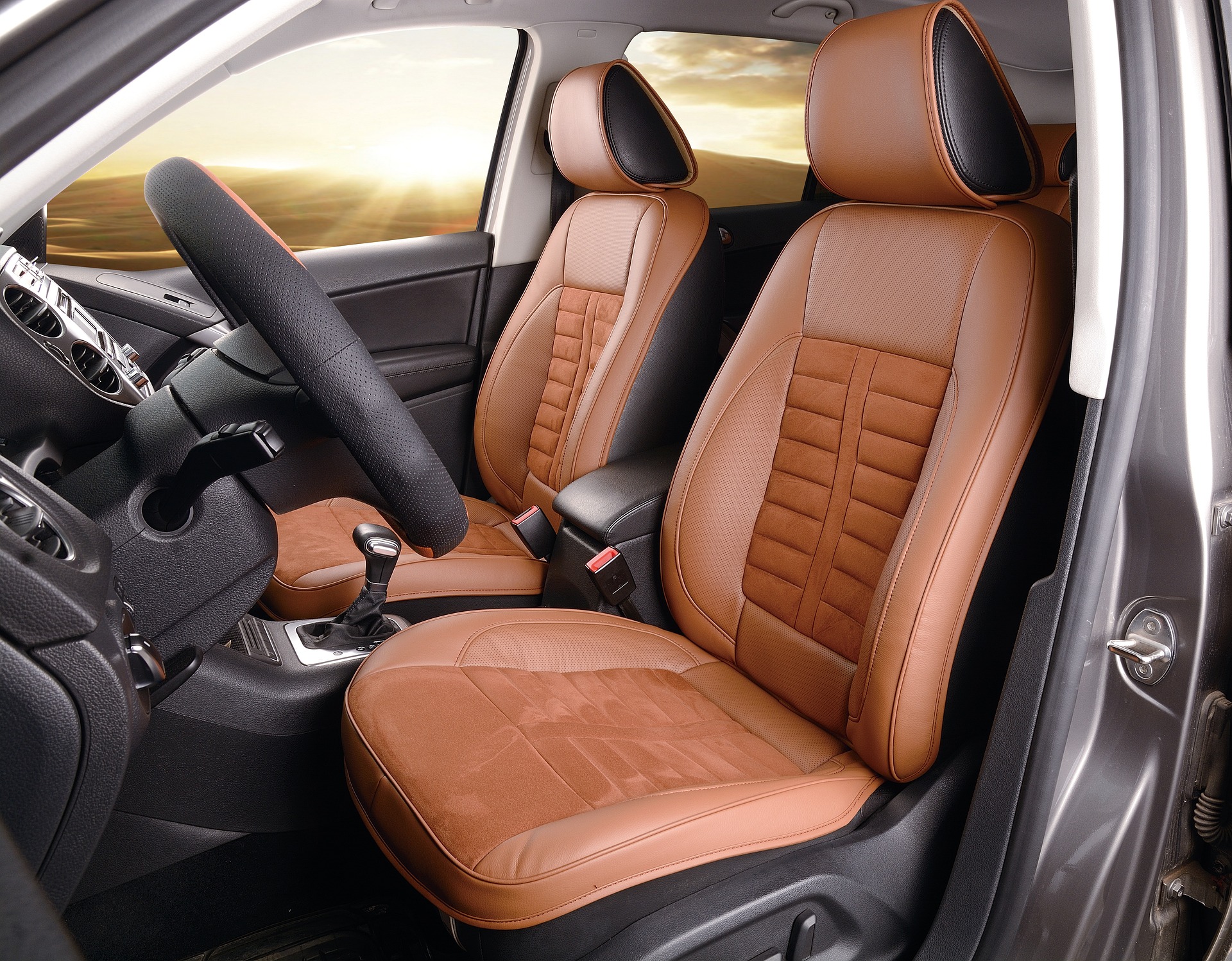
Materials Redefining Comfort in Car Interiors
Car makers are using exciting new materials to make rides more comfy. You'll find choices that look great and feel good too.
Leather: A Timeless Choice for Luxury
Leather remains a top pick for luxury cars. It's soft, durable, and smells nice. You can find it in many colors and styles. Some cars use special leather that's easier to clean or resists stains.
Nappa leather is super soft and often found in high-end cars. It feels great to touch and looks fancy. Some car brands use quilted leather to make seats look even fancier.
For a sporty feel, you might see perforated leather. It has tiny holes that help keep you cool on hot days. This type of leather is common in sports cars and some luxury SUVs.
Modern Fabrics: Blending Technology and Style
New high-tech fabrics are changing how car seats feel. Some are made to be super strong and last a long time. Others help keep you cool or warm.
You might find seats with memory foam. This material molds to your body shape for a comfy fit. Some cars have heated and cooled seats with special fabrics that work well with the tech.
Microfiber is another cool option. It's soft like suede but easier to clean. You'll often see it in sporty cars or as an option in family vehicles.
Sustainable Options: Eco-Friendly and Chic
Car makers are using more eco-friendly materials that still look great. You might find seats made from recycled plastic bottles or plant-based fabrics.
Cork is showing up in some car interiors. It's light, looks unique, and is good for the planet. Some brands use bamboo for trim pieces because it grows fast and is strong.
Vegan leather is getting popular too. It looks and feels a lot like real leather but no animals are used to make it. You can find it in cars from brands that focus on being green.
Innovations in Ergonomics and Design
Car makers are putting comfort and ease of use at the forefront of interior design. New layouts and controls aim to make driving more intuitive and enjoyable for you.
User Experience: From Seating Position to Gear Selector
Your comfort starts with the driver's seat. Car makers now offer seats with more adjustment options to fit your body perfectly. Some even have massage features to keep you relaxed on long drives.
The gear selector is changing too. Many cars now use small knobs or buttons instead of big levers. This frees up space and looks sleeker.
Buttons and switches are being replaced by touch-sensitive surfaces. These are easier to clean and give the interior a modern look. But don't worry – important controls like volume and climate still have physical knobs for easy use while driving.
Dashboard Layouts: Organized and Intuitive Controls
Your dashboard is getting a makeover. Big screens are replacing traditional gauges. These show your speed, fuel level, and navigation all in one place.
The center console is cleaner and less cluttered. Climate controls are often moved to the touchscreen, leaving only the most important buttons within easy reach.
Voice commands are becoming more common. You can adjust settings or send messages without taking your hands off the wheel.
Some cars now use head-up displays. These project key info like speed and navigation directions onto your windshield. This keeps your eyes on the road where they belong.
Enhancing the Sense of Space and Practicality
Car makers are finding clever ways to make cabins feel bigger and more useful. They're using smart design tricks and adding handy features to give you more room and storage.
Cabin Design Principles
Designers use light colors and big windows to make car interiors feel open. Light gray or beige seats and trim can make the space seem larger. Big sunroofs let in lots of natural light too.
Thin seats give you more legroom without making the car bigger outside. Some cars have floating center consoles that free up floor space.
Careful placement of controls and screens keeps things tidy. Hidden air vents and sleek dashboard designs reduce clutter. This clean look helps the cabin feel more spacious.
Space Maximization: Rear Seat and Storage Solutions
Rear seats that slide and recline let you choose between more legroom or cargo space. Some SUVs have third rows that fold flat into the floor when not needed.
Clever storage spots are popping up everywhere. Look for bins under the floor, pockets on seat backs, and cubbies in the center console.
Many new cars offer hands-free liftgates. You can open the trunk by waving your foot under the bumper when your hands are full.
Adjustable cargo floors let you create a flat loading area or hide items underneath. Some cars have hooks and nets to keep your stuff from sliding around.
Infotainment Systems: Connectivity at Your Fingertips
Modern cars offer advanced infotainment systems that put a world of features at your fingertips. These systems blend entertainment, navigation, and vehicle controls into one easy-to-use interface.
Interactive Displays: The Hub of In-Car Technology
Your car's infotainment system often centers around a large touchscreen display. Many new models in 2024 come with screens of 12 inches or larger. The Kia Telluride, for example, has a 12.3-inch touchscreen as standard.
These displays let you control music, make calls, and adjust climate settings with a tap or swipe. Some systems even respond to voice commands, keeping your hands on the wheel.
For easier use, many cars still include physical buttons and knobs alongside the touchscreen. This mix of old and new tech helps you stay focused on the road.
Seamless Integration: From Radio to Car Connectivity
Today's infotainment goes far beyond just playing the radio. You can connect your smartphone to access your favorite apps and music. Apple CarPlay and Android Auto are common features that mirror your phone's screen on the car's display.
Some systems offer built-in Wi-Fi hotspots, letting passengers browse the internet on the go. You can also get real-time traffic updates and find nearby points of interest.
Many cars now have over-the-air updates. This means your infotainment system can get new features and improvements without a trip to the dealer. It's like having a computer on wheels that keeps getting better.
A Glimpse into the Future: Car Interiors of Tomorrow
Car interiors are changing fast. New tech and comfy designs are coming in 2024 and beyond. You'll see cool features in both fancy and budget-friendly cars.
2024's Most Anticipated Interior Reveals
Get ready for some amazing car interiors in 2024! Luxury brands are going all out. BMW's new 7 Series will have a huge curved screen that stretches across the dash. It's like having a movie theater in your car!
Mercedes is adding fun lighting that changes colors based on your mood. Audi's going green with recycled materials that look and feel great.
Don't worry if you're shopping for a more budget-friendly ride. Hyundai and Kia are bringing cool tech to their cars too. Think wireless charging pads and screens that show info right on the windshield.
Trends Shaping the Luxury and Economy Segments
Fancy cars are getting even fancier inside. You'll see more:
- Soft, comfy seats that adjust to your body
- Voice controls for everything from A/C to music
- Screens that curve around the driver
But even regular cars are stepping up their game. Look for:
- Better phone connections with Apple CarPlay and Android Auto
- Cleaner air inside thanks to new filters
- Quieter rides from better sound-proofing
Hybrids are leading the way with smart layouts. They use the space saved by smaller engines to give you more room inside.
No matter what kind of car you buy, expect upgrades that make driving more fun and comfy!
Brand Spotlight: Interior Craftsmanship Across Car Makers
Car makers put a lot of thought into their interiors. You'll find different styles and quality levels across brands. Let's look at how some top companies approach their cabin designs.
Evaluating the Premiere Brands and Their Signature Styles
Mercedes-Benz leads the pack with luxurious interiors. You'll see lots of leather, wood, and metal in their cars. The designs feel modern but classy. BMW goes for a sportier look with driver-focused layouts. They use high-end materials too.
Audi is known for clean, tech-heavy cabins. You'll find big screens and digital displays in most models. Genesis, Hyundai's luxury brand, is making waves with unique designs. Their interiors mix traditional luxury with new ideas.
Land Rover brings the outdoors in. You'll notice rugged touches mixed with premium materials. Lincoln aims for American luxury with plush seats and lots of space.
Comparing Value and Quality in Diverse Market Segments
Honda and Toyota focus on practical, durable interiors. You'll get good quality at a lower price point. Kia and Hyundai have stepped up their game. Their newer models have surprisingly nice cabins for the cost.
Ford and Chevrolet offer a range of options. Base models are simple, while top trims can be quite fancy. Volkswagen sits in the middle, with solid build quality and clean designs.
Buick tries to bridge the gap between mainstream and luxury. You'll find quieter cabins and softer materials than in other GM brands.
Ram trucks stand out in the pickup world. Their top models rival some luxury cars in comfort and style.