
How To Ensure Maximum Solar Panel Placement Efficiency
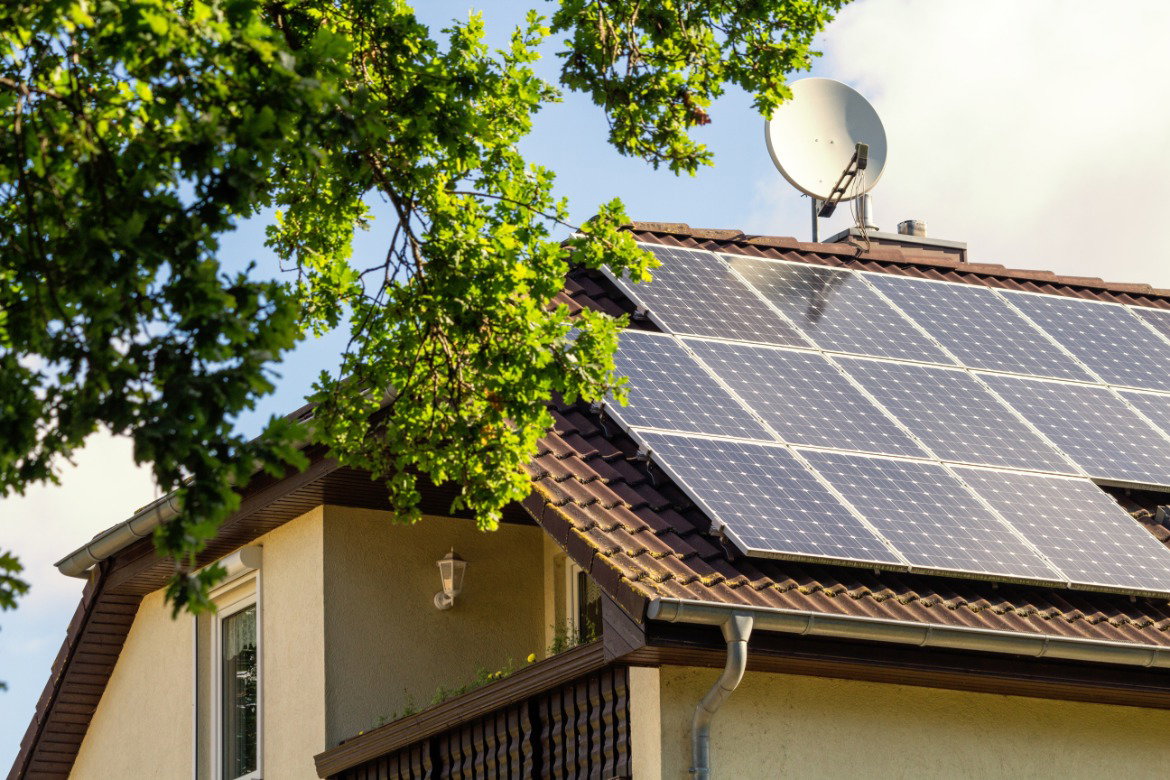
Solar panel placement determines how much energy a residential system can produce across its operational life. Every decision related to positioning affects sunlight exposure, system efficiency, and the overall return on investment for the homeowner.
An efficient solar panel placement allows each panel to receive consistent sunlight across varying seasonal conditions and daily cycles without unnecessary interference. When placement follows clear principles, the system can deliver reliable energy output that supports household needs with greater stability and reduced dependence on external power sources.
Site Assessment and Sun Exposure
Accurate site assessment reveals solar potential across roofs and open land areas within residential property boundaries and surrounding environmental conditions. Careful observation of sun paths across seasons helps identify peak exposure zones that receive strong sunlight during most daylight hours annually. Tools such as solar path charts and digital mapping software support precise evaluation and guide optimal placement decisions for efficient panel layouts.
Roof Orientation and Angle Optimization
Roof orientation directly affects solar energy capture, with south-facing surfaces in northern regions receiving the highest levels of consistent sunlight exposure annually. East and west orientations can still provide useful generation, though energy output patterns shift toward morning or afternoon peaks across daily cycles. Adjustable mounting systems allow fine-tuning of panel angles to capture optimal sunlight across different seasons and weather conditions effectively.
Ground-Mounted System Efficiency
Ground-mounted systems provide flexibility when roof space does not support optimal placement or orientation. These systems allow panels to face ideal directions and maintain precise tilt angles for maximum sunlight exposure. Understanding how ground-mounted residential solar power systems work will help homeowners choose layouts that support efficient energy capture across available space.
Structural Integrity and Load Considerations
Roof structure must support panel weight, mounting systems, and environmental stress factors such as wind, snow, and temperature fluctuations over time. A professional inspection ensures rafters, decking, and support components can handle additional load without risk of damage or long-term degradation. Reinforcement may be necessary in older structures to maintain safety and preserve system performance under various environmental conditions.
Smart Home Integration
Modern solar systems can integrate with smart home technology to enhance energy management and usage patterns. Automated systems can direct energy use based on production levels and household demand throughout each day. Renewable energy is one of the seven revolutionary systems to make your home smart, which will support better energy control and improve overall household efficiency.
Efficient solar panel placement depends on a combination of environmental awareness, structural planning, and technological integration tailored to each property’s unique characteristics. Careful evaluation of sunlight exposure and system design helps maximize energy production and ensures reliable performance across varying conditions. With informed decisions and consistent maintenance, homeowners can achieve strong returns and long-lasting benefits from optimized solar energy systems.