
How Smart Ventilation Makes Homes More Efficient
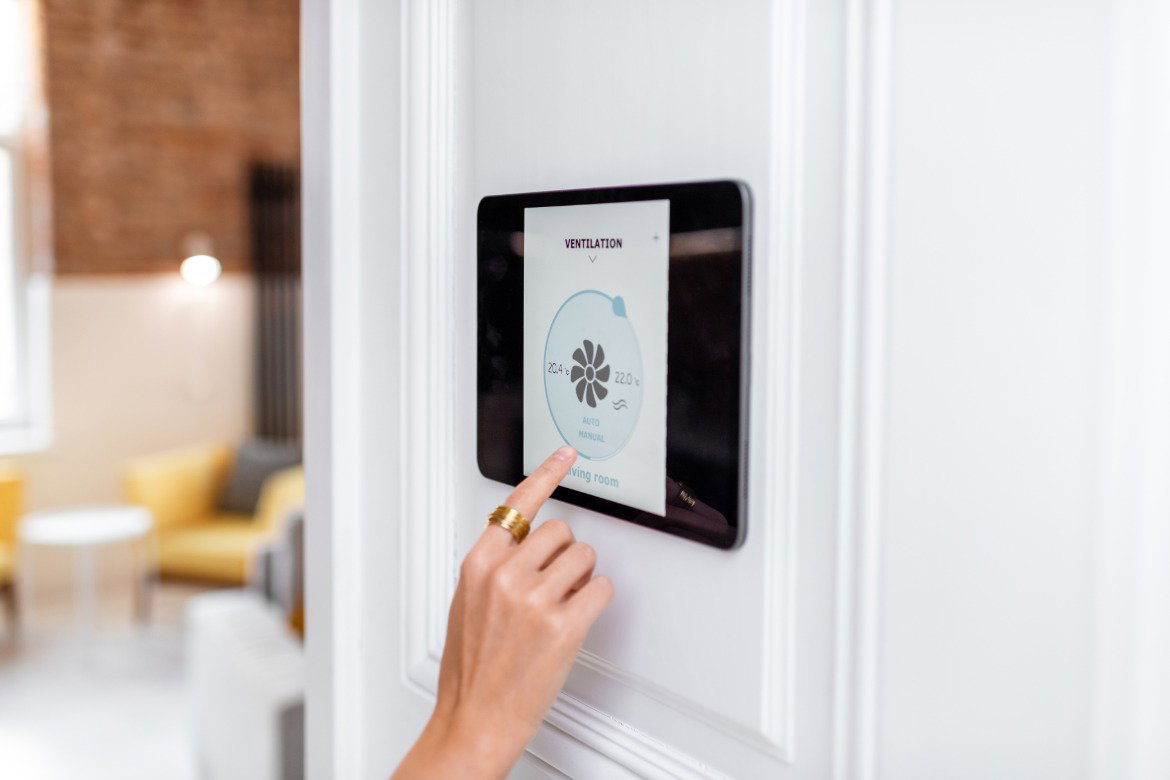
Your home might already include automated lighting and voice assistants, yet one major system still gets ignored: airflow. Poor ventilation traps heat and moisture, which forces cooling systems to work harder and makes indoor spaces less comfortable. Smart ventilation changes the entire rhythm of a home by improving air circulation and helping energy systems operate more efficiently without constant adjustments.
Why Airflow Changes Everything
Poor ventilation changes how heat moves through a home. Warm air naturally rises and can remain trapped inside attic spaces when airflow lacks proper circulation. As temperatures build beneath the roof, cooling systems require more energy to maintain stable indoor conditions. Excess heat can also create uneven temperatures between floors, especially during warmer seasons.
Smart ventilation systems monitor temperature, humidity and airflow pressure to keep conditions balanced. Some systems even adjust automatically depending on weather patterns or indoor activity. Homes stay cooler and indoor air feels noticeably cleaner.
The Hidden Energy Drain Above Your Ceiling
Proper roof ventilation helps release trapped heat before it spreads through the rest of the house. Poor attic airflow can raise indoor temperatures, increase energy use, and make upper floors noticeably less comfortable during warmer months. Understanding roof vent basics gives homeowners a clearer picture of how intake vents and roof design all contribute to a more balanced living space.
Smart Ventilation Works Beyond Temperature
Smart ventilation helps control moisture before it turns into a larger problem inside the home. When damp air stays trapped for long periods, insulation can become less effective and enclosed spaces may start developing lingering humidity issues. Consistent airflow supports healthier indoor conditions and works well alongside simple moisture prevention methods used in basementsor other enclosed areas.
Features Making Ventilation Smarter
Older ventilation systems worked like simple exhaust paths, but modern setups respond dynamically to changing conditions inside the home. Smart technology gives homeowners better control without adding extra complexity to daily routines.
Some of the features you’ll see include:
- Automated humidity monitoring
- Temperature-responsive attic fans
- Smart thermostat integration
- Mobile airflow tracking apps
- Energy usage reporting systems
Many systems quietly operate in the background while optimizing airflow throughout the day. Homeowners notice steadier indoor temperatures across multiple rooms.
Why Smart Ventilation Fits Modern Living
Modern homes demand more from airflow systems than they did a decade ago. Streaming setups, home offices, and connected devices all contribute to rising indoor temperatures. Without proper ventilation, heat and moisture remain trapped inside the structure and gradually reduce overall comfort.
Smart ventilation makes homes more efficient by improving airflow where it matters most. Balanced circulation helps indoor temperatures remain more consistent while reducing unnecessary strain on cooling systems during hotter parts of the year. Better airflow also supports cleaner indoor air and more stable humidity levels throughout the home.
As smart technology continues shaping modern living, ventilation has become part of the larger conversation around efficient home design. Small airflow improvements can create noticeable changes in energy use and day-to-day living without requiring major renovations.