
Metal Fabrication in the Modern Era
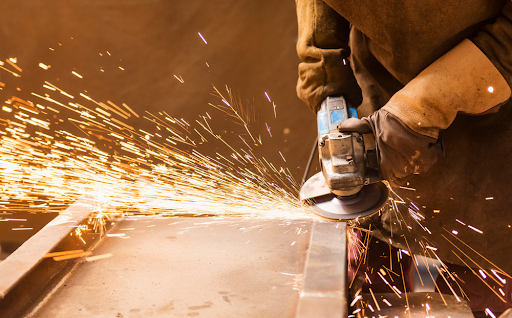
Metal fabrication has evolved dramatically over the past few decades, moving beyond traditional welding and machining techniques to embrace advanced technologies that improve precision, efficiency, and safety. These advancements are essential to meet the increasing complexity of modern industrial requirements. Modern fabrication facilities now combine automation, robotics, and digital tools to meet the growing demands of industries ranging from construction to aerospace. As the sector continues to adapt, companies and workers must navigate both the opportunities and challenges presented by these innovations. Understanding the scope, trends, and supporting infrastructure of metal fabrication helps illustrate why it remains a cornerstone of the U.S. manufacturing landscape.
Expanding Workforce and Industry Reach
The U.S. fabricated metals sector has grown into a substantial portion of the national economy, encompassing thousands of businesses and employing millions. The sector’s dynamic growth is a testament to its foundational role in modern manufacturing. As of 2024, 33,832 companies were operating in this field across the country, collectively providing approximately 1,365,950 jobs, according to IndustrySelect. This breadth highlights not only the sector’s scale but also its importance in supporting local economies and regional supply chains. From small shops producing custom components to large-scale industrial manufacturers, these businesses supply essential materials to virtually every industry, creating a ripple effect that extends beyond metal production itself. Furthermore, innovation and technology integration continue to drive the sector forward, enhancing productivity and ensuring its competitiveness on a global scale.
Trends Driving Modern Fabrication
Technological advancements have fundamentally reshaped how metal fabrication is performed. The pace of innovation in technology continues to introduce exciting possibilities for the future of manufacturing. By 2024, key trends included automation and robotics, additive manufacturing, and the integration of Internet of Things (IoT) devices into production lines, as explained by BenchMarkSteel.com. These tools enable manufacturers to reduce human error, increase throughput, and customize products more efficiently than ever before. Robotics handles repetitive tasks like welding and cutting with consistent precision, while additive manufacturing allows for complex geometries that traditional methods cannot easily achieve. IoT integration connects machines, monitors performance in real-time, and facilitates predictive maintenance, further streamlining operations and cutting costs. Moreover, sustainability efforts are gaining momentum, with eco-friendly practices becoming integral to production processes in an effort to reduce the industry’s environmental footprint. Companies are increasingly investing in training programs to upskill workers, ensuring that the workforce remains adept at utilizing these advanced technologies.
The Role of Recycling and Sustainability
Sustainable practices have also become a defining feature of the metal fabrication industry. A shift towards sustainability helps address environmental concerns while providing economic benefits. Scrap metal recycling, in particular, plays a crucial role in reducing waste and lowering the environmental footprint of manufacturing. As of 2024, there were 591 scrap metal recycling businesses operating in the United States, as stated by IBIS World. These facilities reclaim and process used metals, feeding them back into the supply chain as reusable material for new fabrication projects. By promoting recycling, the industry not only conserves resources but also helps manufacturers meet stricter environmental regulations and growing consumer demand for eco-conscious products.
Metal fabrication in the modern era represents a blend of traditional craftsmanship and cutting-edge technology. From a workforce of over a million employees across tens of thousands of companies to innovative trends in automation, additive manufacturing, and IoT integration, the sector demonstrates remarkable adaptability. Coupled with sustainable practices like scrap metal recycling, these advancements ensure that metal fabrication remains efficient, resilient, and environmentally responsible. As industries continue to evolve, the U.S. metal fabrication sector is well-positioned to meet both current demands and the challenges of the future, reinforcing its critical role in the national economy and industrial landscape.