
BULLYMAKE’s Expert Guide on How to Break Toy Aggression in Dogs
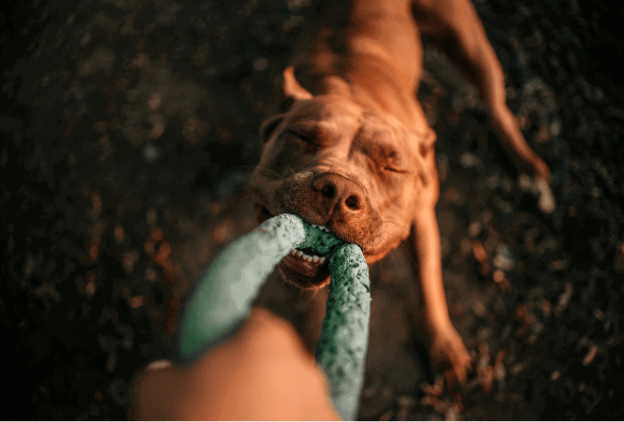
Dogs that growl when someone gets too close to a favorite toy or snap when you try to take the ball back during a game of fetch exhibit toy aggression. Even otherwise friendly pups can get territorial over toys, and this and other types of aggression are common.
A study published in the Journal of Veterinary Behavior analyzed data from dog owners to assess the prevalence of various canine behavior problems. It found that around 55.6% of dogs had demonstrated aggressive behavior at least twice.
If your pet demonstrates toy aggression, the experts at durable dog toymaker BULLYMAKE recommend you work to break the habit before it becomes a more serious problem.
What Is Toy Aggression in Dogs?
BULLYMAKE’s designers explain that toy aggression in dogs is a resource guarding behavior. Outward signs of aggression, such as snapping, snarling or biting, demonstrate a desire to protect the toy, usually from other dogs or humans.
Reasons for toy aggression include:
- Dysregulation from intense play. Dogs that haven’t learned to wind down after intense play with others, such as tug-of-war, may not have the emotional regulation and training to “let go” of the item that became so valuable during play.
- Instinct to guard or protect resources. Many dogs have an instinctual need to protect, stemming from being bred to guard resources or their ancestors evolving to survive in the wild.
- Fear related to past experiences. Dogs who have been ignored, mistreated or neglected in the past may aggressively guard toys out of fear. They might fear being left alone without the toy or use it as a comfort item to feel safer.
- General nervousness or anxiety. A high-strung pup might react aggressively over a toy out of general dysregulation.
Toy aggression often appears as:
- Growling, snarling or barking in a threatening way
- Standing in a rigid position over the toy or between a person or another dog and the toy
- Snipping or biting at a person or another pet trying to approach the toy
- Hoarding toys by hiding them somewhere or refusing to let someone put them away or clean them
Tips for Addressing Dog Toy Aggression
Addressing resource guarding in dogs as early as possible helps prevent toy aggression from becoming more dangerous. When left unchecked, this type of aggression can lead to fights between family pets and risks of injury to people and other animals.
BULLYMAKE advises that, as you work to break a dog’s toy aggression habit, start by considering when and how your pup demonstrates this aggression. Think about why they might be protective of toys so you can apply the right tips.
Separate Pups During Play When Necessary
A study published in PLOS One found that reactivity to stimuli was significantly associated with aggression toward owners, strangers, children and other dogs across numerous breeds. If your dog only shows toy aggression in certain situations, such as when playing with other dogs or when there are multiple children around, they might be reacting to stimuli more than guarding a toy.
Avoid toy-based play in these situations, or separate your dog from others to enjoy one-on-one playtime or solo soothing with a safe, durable toy like the nylon offerings from BULLYMAKE.
Remove High-Value Toys in Risk-Prone Situations
If you notice your dog reacts to toys rather than stimuli—not wanting anyone else to touch a specific item but sharing other things well—remove high-value toys from those situations. Let some toys be only for your dog.
Foster a sharing-is-caring approach with your pup by keeping toys on hand that are only played with alongside others, such as high-quality cotton rope toys or Chuckit! fetch toys.
Trade Items for Higher-Value Rewards
When you need to get a toy away from a dog who’s guarding it, offer a trade. Consider a higher-value reward such as another favorite toy, an edible treat or a lick mat with peanut butter.
Avoid using a food-related trade often. Too many treats a day can be bad for a dog’s nutrition. Plus, when you use the same treat as a trade regularly, it may lose its luster and be seen as a low-value reward not worth giving up the toy for.
Work on Gradual Desensitization
Dogs that already guard toys may view attempts to interrupt or stop the behavior as a threat or irritation, which can intensify their reaction if you try to take away a toy. A gradual approach helps your dog learn that people approaching their toy is not something to fear.
- Start at a distance. Move nearby and handle your own tasks. Get closer slowly, not making it about the toy at first. Calmly offer your dog a small treat or toss it near them without reaching for the toy.
- Slowly decrease the distance. Over multiple sessions, move a little closer before offering the treat.
- Practice brief trades. Once your dog stays relaxed when you’re very near the toy, ask for it. Reward your pup generously when they give you the toy. Then, return it to build trust and help them understand that toys won’t disappear forever if you let them go.
Limit Toys and Rotate Them
Researchers in a 2025 article published on Nature.com found parallels between excessive toy motivation in dogs and addiction behavior in humans, suggesting that dogs may find it difficult to regulate behavior related to some toys or play.
You can help reduce the risk that your dog becomes too emotionally attached to a single toy by limiting time with any one item and rotating toys to keep each one interesting. This is exactly why BULLYMAKE created dog toy subscription boxes specially made for aggressive chewers that make it easy to keep new toys in the rotation.
Practice Drop Commands
Teaching a “drop it” cue gives you a safe, structured way to take toys without creating conflict with your pup.
Start during calm play with a low-value toy. Say “drop it,” and then immediately offer a treat or another toy as a reward when your dog releases the item.
Keep sessions short and positive so your dog associates letting go with good outcomes. As your dog improves at following drop commands, practice with more valued toys. Always reward cooperation and chasing your dog or physically forcing them to give up toys, as those actions can reinforce guarding behavior.