
How Old City Media Blends AI Data With Human Ambassadors to Optimize Experiential Marketing Campaigns for Brands
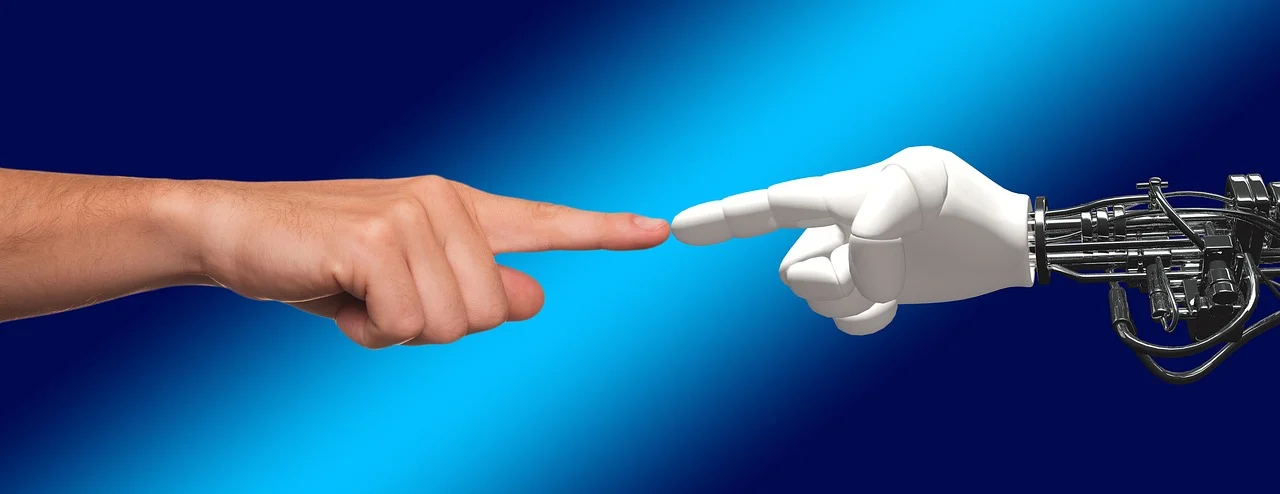
In the world of brand marketing, traditional marketing no longer makes the cut. Few approaches are more effective than experiential marketing, as this method engages customers and allows them to interact with the brand, helping them to form deeper connections and brand loyalty.
Experiential marketing is all about creating new experiences for the consumer. With this in mind, it’s crucial for brands and marketers to continue innovating and remain on the cutting edge so they can stay competitive and create a unique and memorable interactive experience.
AI: The next great experiential marketing tool
One development that seems poised to revolutionize the field of marketing is artificial intelligence. While AI has already become an undeniable force in marketing disciplines such as internet advertising and social media marketing, it is now starting to take hold in areas like experiential marketing. Although experiential marketing might not seem like it has the most potential use cases for AI, given that it is fundamentally rooted in the customer experience, several pioneers have found ways to leverage this powerful technology to improve their experiential marketing methods.
At the forefront of innovation in experiential marketing is marketing maestro Ray Sheehan, founder of the Philadelphia-based marketing agency Old City Media, which boasts years of experience working with international clients to develop creative solutions that increase brand awareness. Having won several awards for their work, Old City Media’s marketing gurus have established a reputation among their peers in the industry for delivering groundbreaking and innovative work.
Sheehan and his marketing team at Old City Media are firm believers in the power of a human brand ambassador in experiential marketing. “Face-to-face customer engagement is better than ever,” Sheehan asserts.
However, this does not mean that advanced technology like artificial intelligence can’t be used to accentuate the power of this face-to-face experience. AI can provide numerous benefits for marketers, including enhanced insights and increased levels of personalization, enabling them to create the best possible experience for their target audience.
How artificial intelligence is shifting experiential marketing strategies for brands
One way marketers can leverage artificial intelligence technology to enhance the effectiveness of their experiential marketing efforts is by utilizing AI tools to capture leads more efficiently. For example, interactive kiosks, QR codes, and chat-driven tools can be used to collect customer information much more quickly than a human brand ambassador with pen and paper.
Brand activations can also use artificial intelligence tools to personalize experiences for potential customers in real time. These functions can help improve the immersive qualities of these in-person, live events.
“Some brands have seen tremendous success with technology like AI-augmented photo booths or virtual reality and augmented reality try-on tools to keep attendees interacting and engaged,” says Sheehan. “Other applications of AI for personalization include custom product recommendations or digital displays tailored to a target audience’s unique interests.”
Yet, the power of artificial intelligence in experiential marketing events extends far beyond the activation itself. Brands can use the data collected during the event to segment and personalize follow-ups.
“Because experiential marketing is so inherently interactive, it provides brands with a significant amount of behavioral and engagement data that can be particularly useful for marketing purposes,” Sheehan explains. “AI models can analyze consumer behavior at experiential events and suggest not only what message would be best to connect with them but also what medium you can use to most effectively reach them and get people talking about your brand.”
Artificial intelligence tools can also be helpful for marketers hoping to evaluate the effectiveness of their experiential campaigns and marketing tactics. “By analyzing key performance indicators such as foot traffic, engagements, and conversions, artificial intelligence can provide excellent insights into what worked — and, perhaps more importantly, what didn’t — about a campaign,” says Sheehan. “Furthermore, by using predictive analytics combined with this data analysis, marketers can better anticipate what will work best in future campaigns.”
Using AI to create experiential marketing campaigns and redefine the brand experience
With all this advanced technology in action, some might wonder what the role of the human brand ambassador will become. Ultimately, AI tools will only help brand ambassadors deliver better service and stronger connections.
“When artificial intelligence does the ‘grunt work’ like collecting leads’ contact info and analyzing data, human brand ambassadors can spend their time interacting with guests and creating memorable experiences that will help your product or service achieve its marketing goals and earn loyal customers,” Sheehan adds.
Indeed, in this day and age, where virtually every brand is competing for consumers’ attention, making memorable experiences through experiential marketing can be a great way to make a brand’s name or message stick with them. When marketers use the power of advanced new artificial intelligence tools, they can create more successful experiential marketing campaigns that boost brand awareness. “In a highly competitive landscape, it’s more important than ever to be creative when coming up with marketing strategies,” Sheehan concludes. “If you want to grow your brand, our experiential marketing agency can help.”