
Modern ID Card Practices in Schools and Government: Balancing Privacy, Access, and Efficiency

If your school or government office is still relying on outdated ID cards, it might be time for an upgrade. With growing demands around privacy, digital access, and day-to-day security, old systems just aren’t cutting it anymore. From streamlining entry to protecting sensitive data, today’s ID card practices are smarter, safer, and far more efficient. In this post, we’ll break down what’s changed, and why modernizing your ID system is a practical move that pays off across the board.
The Evolving Role of ID Cards in Schools and Government
Gone are the days when ID cards were just for showing your name and photo. Today, they’re doing a whole lot more! From unlocking doors and logging into secure systems to tracking attendance and even enabling cashless payments, modern ID cards are multitaskers.
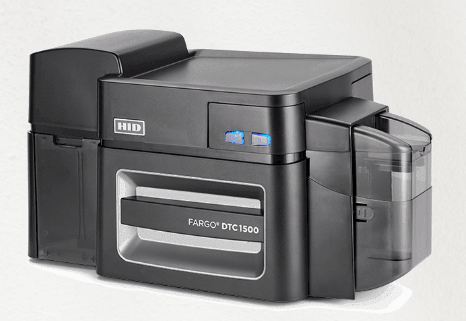
In schools, they help manage student access and safety. In government settings, they streamline workflows while keeping sensitive areas secure. One great example? A Fargo Printer makes it easy to issue secure, high-quality ID cards on demand, perfect for evolving needs.
The best part? These smart cards reduce manual processes and improve day-to-day efficiency without adding complexity.
If you’ve been thinking of ID cards as just identification tools, this is your sign to rethink what they can really do!
Privacy Matters – Navigating Data Protection and Compliance
When ID cards store personal info, privacy isn’t just important, it’s non-negotiable. Whether you’re managing students or public-sector staff, you need to protect their data and stay compliant with laws like GDPR, FERPA, or your country’s local privacy regulations.
That means limiting the data stored on cards, using encryption, and setting clear policies for access and storage.
Avoid common slip-ups like printing full birthdates or storing sensitive data on visible fields less is more!
And don’t forget to train your team, everyone who handles ID data should know the do’s and don’ts.
Set up smart safeguards now to avoid legal headaches later.
Enhancing Access and Efficiency Without Compromising Security
Modern ID cards do more than just open doors, they open possibilities. With features like contactless entry, real-time access logs, and multi-system integration, you can cut down on bottlenecks and manual processes while keeping things running smoothly.
Need to track attendance? Automate it. Want to manage building access remotely? Done.
Even better, many systems now let you adjust permissions instantly, no need to reprint or redistribute cards.
And yes, you can do all of this without sacrificing security! With encryption, secure authentication, and tiered access, today’s ID tech strikes a smart balance between ease and protection.
It’s efficiency with peace of mind.
Key Challenges and Budget-Friendly Solutions
We get it, upgrading ID systems can feel overwhelming, especially with tight budgets, legacy tech, and a long to-do list. But don’t worry, you don’t need to break the bank to move forward!
Start small: many providers offer modular systems you can roll out in phases. Need cards fast? Consider on-demand printing instead of bulk orders.
Leaning into cloud-based platforms can also save on hardware and IT costs plus, they’re easier to scale as your needs grow.
And if you’re worried about training? Look for user-friendly software with built-in support and tutorials.
Best Practices for Implementation
Switching to a modern ID system doesn’t have to mean chaos, a little planning goes a long way! Start with a clear needs assessment: what do you want your new system to do that the old one can’t?
From there, build a phased rollout, pilot it in one department or building first before expanding. Keep things smooth by involving IT, admin, and end users early on.
Don’t skip training! Even the best system can flop if users aren’t comfortable with it.
And once it’s up and running? Set reminders for regular audits and updates.
A thoughtful rollout now means fewer headaches later and a system that truly lasts.
The Future of Identity is Smart, Secure, and Respectful
As schools and government agencies move forward, ID systems should do more than just work they should work for everyone. The best solutions balance tech innovation with everyday practicality, strong security, and respect for user privacy.