
How to Build a Perfect Concert: Essential Tips for Unforgettable Shows
Defining the Vision and Establishing Goals
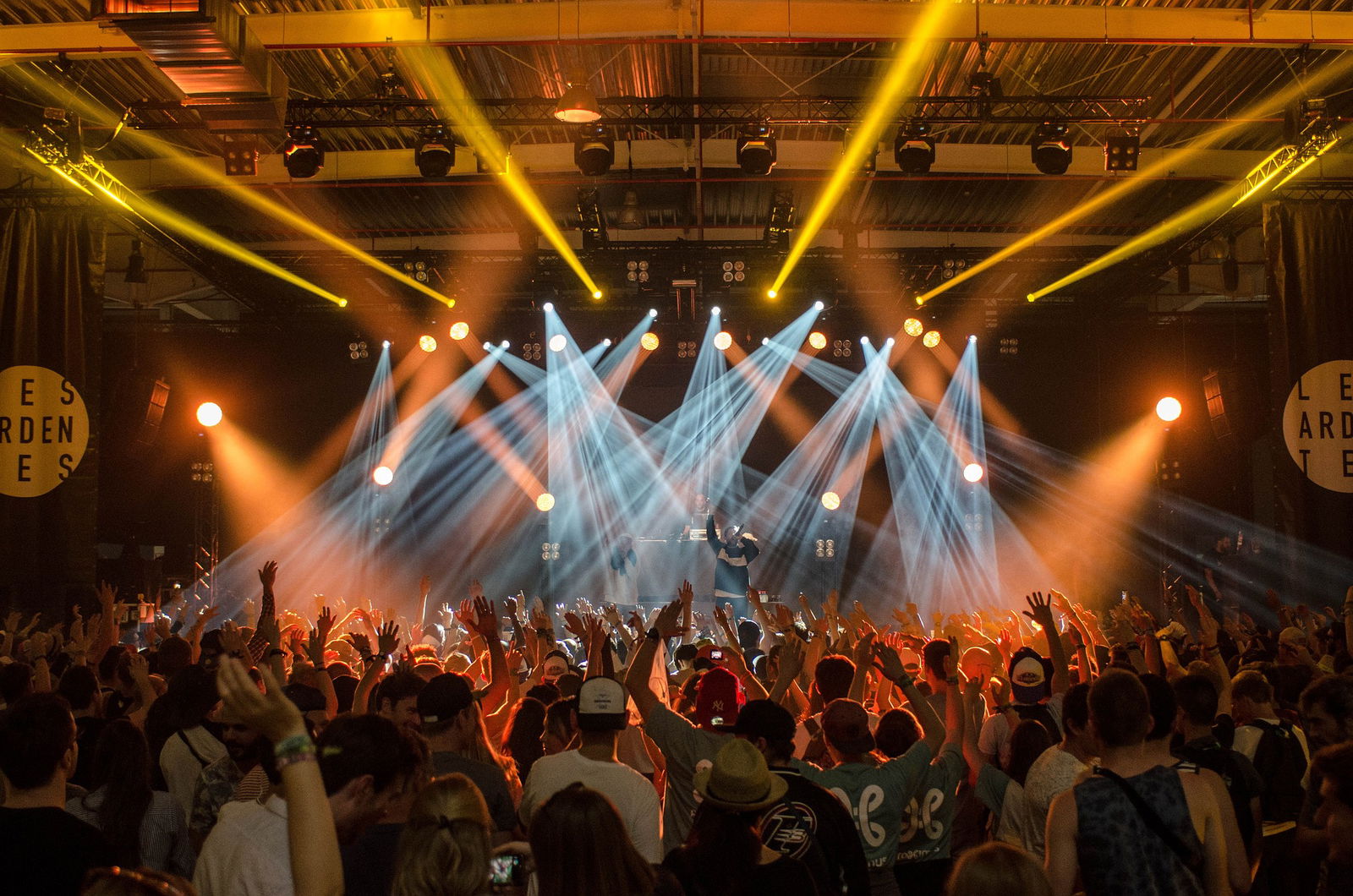
A clear vision and well-defined goals are key to creating an amazing concert. Your vision sets the tone, while your goals provide direction. Let’s explore how to craft your concept, set event objectives, and understand your audience.
Crafting Your Concept
Think about the type of concert you want to create. What’s the main idea? Pick a theme or genre that fits your vision. Maybe you want a rock festival or a classical music night. Choose the atmosphere you want – energetic, relaxed, or formal.
Consider the size of your event. Will it be a small, intimate show or a large-scale production? Think about the venue that matches your concept. An outdoor park might work for a family-friendly concert, while a club could be perfect for an indie band showcase.
Don’t forget about the overall experience. Think beyond just the music. What else can you offer? Food trucks, art displays, or interactive elements can make your concert stand out.
Setting Event Goals and Objectives
What do you want to achieve with your concert? Your goals will guide your planning. Do you want to:
- Raise money for a cause?
- Promote local artists?
- Bring a specific genre of music to your area?
- Create a yearly tradition?
Set clear, measurable objectives. For example:
- Sell 500 tickets
- Book 5 local bands
- Raise $10,000 for charity
Write down your goals. This will help you stay focused as you plan. It will also make it easier to measure your success after the event.
Understanding Your Target Audience
Who will come to your concert? Knowing your audience helps you make smart choices about music, venue, and marketing.
Think about age groups. Are you aiming for teens, young adults, or families? Consider their music tastes. Do they prefer pop, rock, jazz, or a mix?
What do your potential guests value? Is it the music itself, the social aspect, or supporting a cause? This info will help you create an event they’ll love.
Research where your target audience hangs out, both online and offline. This will guide your marketing efforts. If you’re targeting music enthusiasts, partner with local record stores or music schools to spread the word.
Planning the Event
Good planning is key to a great concert. Let’s look at the most important parts of putting together your show.
Creating a Detailed Budget
Start by listing all your expected costs. Include things like:
- Venue rental
- Sound and lighting equipment
- Staff wages
- Marketing expenses
- Artist fees
Don’t forget smaller items like permits, insurance, and security. Make a spreadsheet to track each cost.
Be sure to estimate your income too. Think about ticket sales, food and drink sales, and merchandise. This will help you set ticket prices.
It’s smart to add a buffer of 10-15% for surprise expenses. Keep updating your budget as you go along.
Sourcing Talent and Booking Performers
Decide what kind of music you want for your concert. Do you want local bands or big-name artists?
Start reaching out to performers early. Here are some ways to find talent:
- Contact booking agents
- Look for artists on social media
- Check out local music venues
- Ask for recommendations from music fans
When you talk to artists, be clear about your budget and what you can offer. Get all agreements in writing.
Think about having opening acts too. They can help draw more fans and add value to your show.
Venue Selection and Logistics
Pick a venue that fits your expected crowd size and matches the vibe of your concert. Consider things like:
- Parking
- Public transport access
- Sound quality
- Stage size
- Backstage areas
Visit potential venues in person. Ask about their available dates and rental costs.
Once you’ve chosen a venue, plan out the logistics. This includes:
- Setting up the stage
- Placing sound and lighting equipment
- Arranging seating or standing areas
- Planning entry and exit routes
Work closely with the venue staff. They often have great tips for making your event run smoothly.
Dealing with Permits and Insurance
You’ll need various permits for your concert. These might include:
- Event permits
- Noise permits
- Food and drink licenses
- Fire safety certificates
Check with your local government to find out what you need. Start this process early as it can take time.
Insurance is crucial too. Look into:
- Event cancellation insurance
- Public liability insurance
- Equipment insurance
Talk to an insurance broker who specializes in event coverage. They can help you get the right protection for your concert.
Remember, having the proper permits and insurance will give you peace of mind and keep your event legal and safe.
Promotion and Selling Tickets
Getting the word out and selling tickets are key to a packed show. A mix of online and offline strategies will help you reach more fans and boost sales.
Building a Marketing Strategy
Start by setting clear goals for ticket sales and attendance. Create eye-catching posters and flyers to spread around town. Put them up in coffee shops, music stores, and other spots where music fans hang out.
Send out press releases to local media. Reach out to music bloggers and podcasters who might feature your show. Team up with local businesses for cross-promotions. They can help spread the word, and you can offer their customers special deals.
Don’t forget email marketing. Build a mailing list and send updates about the show. Include teasers, behind-the-scenes content, and early bird ticket offers to keep fans excited.
Engaging on Social Media
Social media is your best friend for concert promotion. Post regularly on platforms where your fans hang out. Share photos, video clips, and teasers to build buzz.
Go live on Instagram or Facebook to chat with fans and answer questions about the show. Create a Facebook event and invite your followers. Encourage them to share it with friends.
Use hashtags to reach more people. Create a unique hashtag for your concert and use it in all your posts. Ask fans to use it too when they talk about the show.
Run contests or giveaways to boost engagement. Offer free tickets or merch as prizes. This can help spread the word and get more people excited about your concert.
Implementing Ticket Sales and Pricing
Make buying tickets easy. Use a reliable online ticketing platform that’s simple for fans to use. Offer multiple payment methods to suit everyone’s needs.
Consider tiered pricing to boost early sales. Offer cheaper “early bird” tickets, then raise prices as the show gets closer. This can encourage fans to buy sooner rather than later.
Create VIP packages with perks like meet-and-greets or exclusive merch. These can appeal to your biggest fans and bring in extra revenue.
Sell tickets at local record stores or music shops. Some fans prefer buying in person. Plus, it’s another way to promote your show in the community.
Technical Aspects of the Concert
Good sound, lighting, and stage setup are key to a great concert. You’ll need to plan carefully for equipment connections, preparation design and potential weather issues.
Sound and Lighting Equipment
You’ll want to start by choosing the right speakers and sound system. Pick gear that fits your venue size and style of music. Set up microphones for vocals and instruments. Test everything before the show.
For lighting, use a mix of spotlights, colored lights, and effects. This creates the right mood and highlights the performers. Make sure to have backup equipment in case something fails.
Don’t forget about power needs. You’ll need enough outlets and the right voltage for all your gear. It’s smart to have a backup generator too.
Stage Design and Backstage Organization
Your stage design should match the band’s style and the venue. Use risers to make sure everyone can see. Add backdrops or screens for visual interest.
Set up the backstage area for quick instrument changes. Have a clear path from backstage to the stage. Label everything clearly.
Make a spot for the sound and lighting crews to work. They need a good view of the stage. Keep cables tidy and out of the way to avoid trips.
Preparing for Inclement Weather
For outdoor shows, always have a backup plan. Rent tents or tarps to cover the stage and equipment. Make sure they’re sturdy and waterproof.
Check the forecast often. If bad weather is likely, tell the crew and audience early. Have a clear plan for evacuating if needed.
Protect your gear from water and wind. Use plastic covers for speakers and electronics. Secure loose items that could blow away. With good planning, you can handle most weather surprises.
The Day of the Concert
The big day has finally arrived! It’s time to put all your planning into action. Get ready for an exciting and busy day filled with last-minute preparations, sound checks, and welcoming eager fans.
Finalizing the Setlist and Rehearsals
Start the day with a final run-through of the setlist. Make sure all performers know the order of songs and any special cues. Have a quick rehearsal to warm up voices and instruments. This is your chance to fine-tune any tricky parts.
Double-check that all equipment is working properly. Test microphones, speakers, and lighting. If there are any issues, fix them now before the crowd arrives.
Don’t forget to leave some wiggle room in the schedule. Things often take longer than expected on concert day. A buffer will help keep stress levels down if any hiccups occur.
Ensuring a Comfortable Environment for Attendees
Your fans’ comfort is key to a great show. Check that the venue is clean and well-lit. Make sure bathrooms are stocked and working. Set up clear signs to help people find their way around.
Look at your seating arrangements one last time. Are there enough chairs? Can everyone see the stage? Fix any problems you spot.
Think about temperature too. If it’s hot, turn up the AC or bring in fans. For outdoor concerts, have water stations ready to keep everyone hydrated.
Don’t forget about parking! Put up signs to guide drivers. If you’re using shuttles, make sure they’re running on time.
Handling Logistics and Safety Measures
Safety should be your top priority. Meet with your security team to go over the plan. Make sure they know how to handle different situations that might come up.
Set up a first aid station and brief the medical team. They should be ready for anything from minor cuts to more serious emergencies.
Check that all exits are clear and well-marked. Test your communication systems to make sure staff can stay in touch throughout the event.
Have a plan for bad weather if you’re outside. Know when to call it quits if conditions get dangerous. Your fans’ safety comes first!
Post-Concert Activities
The show may be over, but the fun doesn’t have to stop. You can keep the energy going and make the most of your event with some smart post-concert moves.
Merchandise and Additional Sales
Set up a merch booth near the exit. Offer t-shirts, posters, and CDs of the performers. Have a mix of price points to suit different budgets. Accept cash and cards to make buying easy.
Consider special “concert-only” items that fans can’t get anywhere else. This could be signed gear or limited edition prints.
You might also sell digital downloads of the show. This lets fans relive the magic at home. Partner with food trucks or local restaurants for post-show snacks. Hungry fans will thank you!
Don’t forget to promote these sales during the show. A quick mention between songs can boost sales big time.
Gathering Feedback and Thanking Guests
Ask fans to share their thoughts. Set up a simple survey on tablets near the exit. Keep it short – just 3-5 questions about what they liked best.
Use social media to your advantage. Create a unique hashtag for the event. Encourage fans to post photos and videos using it.
Send a thank-you email to ticket buyers the next day. Include a link to share feedback if they didn’t do it at the venue.
Consider offering a small discount on future shows to those who fill out the survey. This can boost response rates and build loyalty. Use the feedback to improve your next event. Pay attention to what fans loved and what they wish was different.