
Die Casting in the Automotive Industry: Shaping the Future of Car Manufacturing
Basics of Die Casting in the Automotive Sector
Die casting is a key process in making car parts. You’ll find it used for many components in your vehicle.
The process starts with melting metal in a furnace. Common metals used are aluminum, zinc, and magnesium alloys.
Once melted, the metal is forced into a mold cavity. This happens very quickly under high pressure.
The mold is made of strong steel that can withstand heat and pressure. It’s shaped like the part you want to make.
After the metal cools and hardens, the mold opens. Out pops your newly formed car part!
There are two main types of die casting:
- Hot chamber: Used for metals with low melting points
- Cold chamber: Better for aluminum and other higher-melting metals
Die casting is great for making lots of parts fast. It can produce complex shapes with smooth surfaces.
Some car parts made by die casting include:
- Engine blocks
- Transmission cases
- Wheel rims
- Door handles
This method helps make cars lighter and more fuel-efficient. It’s a big reason why modern vehicles perform so well.
Materials and Properties
Die casting uses different metals to make car parts. Each metal has special qualities that make it good for certain jobs. Let’s look at the main metals used and what makes them useful.
Aluminum Alloys
Aluminum alloys are popular for car parts. They’re light but strong. This helps make cars weigh less and use less gas. You’ll find aluminum in engine blocks, wheels, and body panels.
These alloys flow well when melted. This lets them fill molds easily to make complex shapes. They also cool fast, which speeds up production.
Aluminum parts resist rust and corrosion. They last a long time, even in tough conditions. The metal conducts heat well, which is great for engine parts that get hot.
Magnesium Alloys
Magnesium alloys are even lighter than aluminum. They’re the lightest metals used in cars. You’ll see them in steering wheels, seat frames, and dashboard parts.
These alloys are super strong for their weight. They can take a lot of force without breaking. This makes cars safer in crashes.
Magnesium parts are easy to make. They flow well and cool quickly in molds. The metal also absorbs vibrations, which makes for a smoother, quieter ride.
Zinc Alloys
Zinc alloys are great for small, detailed parts. You’ll find them in door handles, locks, and trim pieces. They’re heavier than aluminum but still lighter than steel.
These alloys are very fluid when melted. They can make parts with thin walls and fine details. Zinc parts are strong and resist wear well.
Zinc is easy to plate with other metals. This lets you make shiny or colorful parts that look nice. The metal also conducts electricity well, which is good for electrical components.
Design and Precision in Automotive Die Casting
Die casting brings high precision and complex designs to car parts. You’ll find this method creates strong, accurate components that fit perfectly in vehicles.
Creation of Complex Components
Die casting lets you make intricate car parts with ease. You can create engine blocks, gears, and housings that have complex shapes. The process allows for thin walls and fine details in one step.
Manufacturers use die casting for connectors and other small parts too. You’ll see intricate designs come to life, even in tiny components. The molds used can form multiple parts at once, speeding up production.
Die casting works well for both big and small runs. You can make a few custom parts or thousands of identical pieces. This flexibility helps car makers try new designs quickly.
Ensuring Dimensional Accuracy and Stability
Precision is key in car manufacturing. Die casting gives you parts that fit just right, every time. The process keeps tight tolerances, often within fractions of a millimeter.
Your car’s parts need to stay the same size and shape over time. Die-cast components are stable and don’t warp easily. This means doors close smoothly and engine parts work well for years.
Manufacturers use special tools to check each part. They make sure everything meets exact specs. This attention to detail helps cars run better and last longer.
Die casting also allows for consistent quality across large batches. You get the same high standard in every part, which is crucial for safe, reliable vehicles.
Technological Advancements
Die casting in the automotive industry is seeing big leaps forward. New tech is making the process faster and smarter than ever before.
Incorporation of AI and Automation
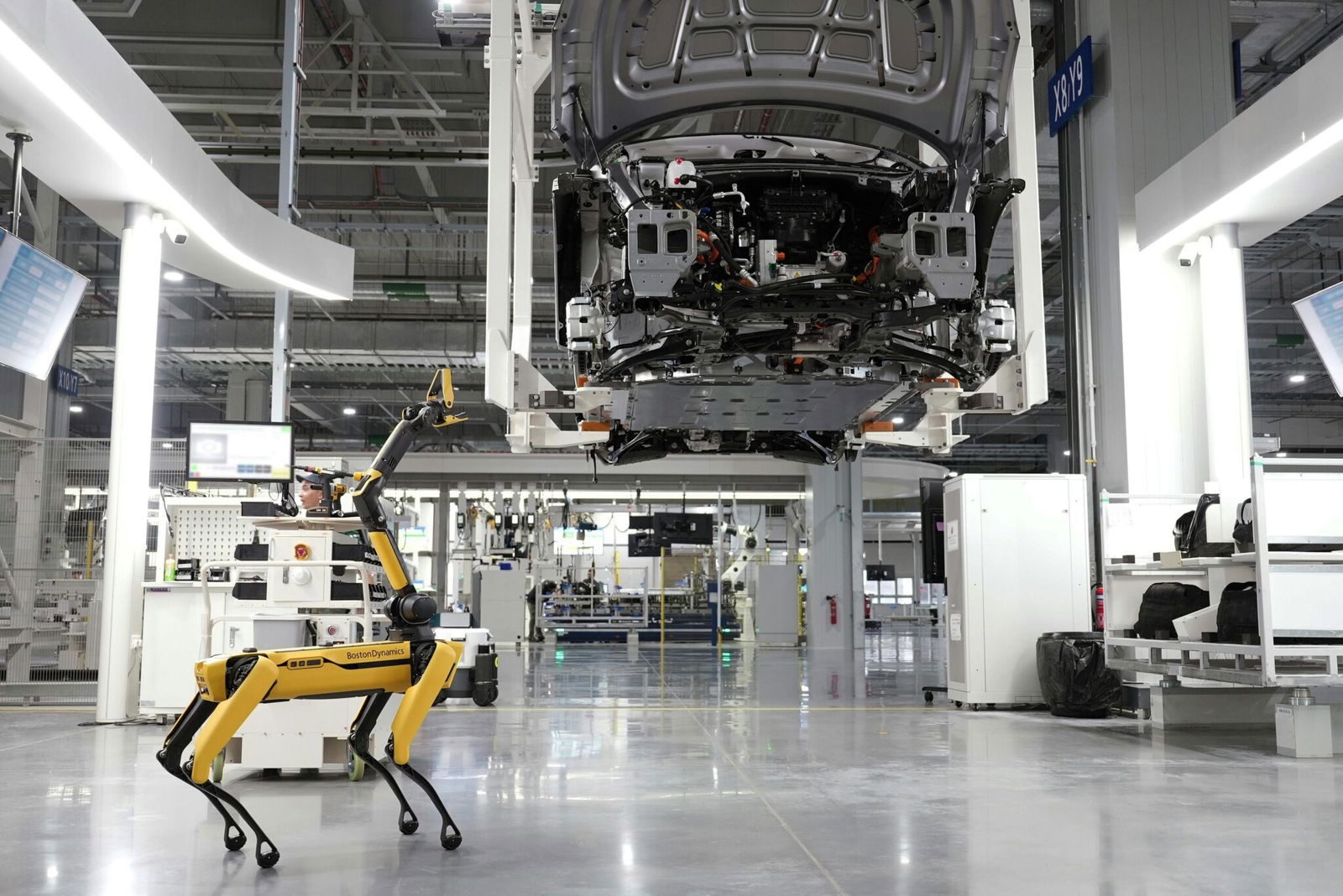
AI and robots are changing how cars are made. Smart machines can now do tasks that humans used to do. This makes the whole process quicker and more exact.
Robots can now handle hot metal safely. They can pour it into molds with great care. AI systems watch every step. They can spot problems before they happen.
These smart systems also help save energy. They know just how much power to use for each task. This cuts waste and helps the planet.
Improvements in Production Speed
Die casting is getting much faster. New machines can make parts in seconds. This means car makers can build more vehicles in less time.
Gooseneck machines are a big help. They push metal into molds super fast. The shot sleeve and injection cylinder work together smoothly. This means fewer mistakes and less wasted material.
Quick cooling systems help too. They make the hot metal parts solid faster. This means you can make more parts each hour.
These speed boosts don’t mean lower quality. In fact, the parts are often better than before. Fast production with high quality is great news for car buyers.
Impact on Vehicle Performance and Efficiency
Die casting plays a big role in making cars better and more efficient. You’ll notice these benefits when you drive a car with die-cast parts.
Lightweight components are a key advantage. Die-cast parts weigh less than traditional metal parts. This makes your car lighter overall.
A lighter car means better fuel economy for you. You’ll save money at the gas pump and reduce your carbon footprint.
Die-cast parts can also boost your car’s performance. They allow for sleeker designs that cut through the air more easily. This means your car can go faster while using less fuel.
Durability is another plus. Die-cast parts are strong and can handle tough conditions. Your car will last longer and need fewer repairs.
Die casting also helps with reliability. Parts fit together more precisely, reducing the chance of problems down the road.
For electric vehicles, die-cast parts offer EMI (electromagnetic interference) shielding. This protects sensitive electronics in your car, ensuring everything works smoothly.
Here’s a quick list of benefits you’ll enjoy:
- Better fuel efficiency
- Improved performance
- Longer-lasting parts
- More reliable operation
- Enhanced safety features
Die casting is helping make your car better in many ways. Next time you drive, you might appreciate these hidden improvements even more.
Challenges and Future Trends
Die casting in the automotive industry faces big changes. New rules and technologies are shaking things up.
Adapting to Evolving Fuel Economy Standards
You’ll see car makers pushing for lighter parts to meet strict fuel rules. This means more aluminum and magnesium die-cast parts. These metals help cars use less gas.
Die casters need to get better at working with these materials. They’ll have to make thinner, stronger parts. New coating methods will help protect these lighter metals from wear and tear.
You might also see more recycled metals used in die casting. This helps car companies be more eco-friendly.
Anticipating the Rise of Electric and Autonomous Vehicles
Electric cars are coming fast. They need different parts than gas cars. You’ll see more die-cast battery cases and motor housings.
These parts must be very precise. They also need to be lightweight to help electric cars go further on a charge.
Self-driving cars will need new sensors and computer parts. Die casters will make housings to protect this tech.
The market for electric car parts is growing fast. Experts think it will grow by 41.5% each year until 2027. That’s a big chance for die casters to grow too.