
Camping Essential Goodies: Fun Treats for Your Outdoor Adventure
Setting Up Camp
Getting your campsite ready is key to a fun outdoor trip. The right gear and setup make a big difference in how comfy you’ll be. Let’s look at the main things you need to set up camp.
Choosing the Right Tent
Pick a tent that fits your group size. A 2-person tent works for couples, while families need bigger ones. Look for tents that are easy to set up and take down. Waterproof tents keep you dry if it rains.
Make sure your tent has a good rainfly. This extra cover helps stop leaks. Bring tent stakes to hold it down in windy weather. A footprint under your tent protects the bottom from rocks and damp ground.
Practice setting up your tent at home first. This saves time at the campsite. Don’t forget to bring a small repair kit for any tent mishaps.
Sleeping Comforts
A good night’s sleep makes camping more fun. Sleeping bags come in different shapes and warmth levels. Mummy bags are warm but snug. Rectangle bags give you more room to move.
Bring a sleeping pad or air mattress to cushion the ground. This makes a big difference in comfort. Inflatable pillows are comfy and pack small.
For warm weather, a light sleeping bag or even a sheet might be enough. In cold weather, use a warm bag and wear layers to bed.
Some campers like hammocks instead of tents. These are fun but need trees to hang from. Bring bug nets if you use a hammock.
Campsite Tools
The right tools make setting up camp easier. A multi-tool with pliers and a knife is super handy. Bring a small shovel for digging fire pits or trenches around your tent.
Pack a headlamp or flashlight for each person. Extra batteries are a must. Lanterns are great for lighting up the whole campsite at night.
Bring rope or paracord. This helps hang food away from animals or make a clothesline. Tarps are useful for extra shelter or ground cover.
Don’t forget a basic first aid kit. Include bandages, pain meds, and any personal meds you need. A fire starter and matches in a waterproof case are key for campfires.
Mealtime Necessities
Good food is key to a great camping trip. The right gear helps you cook tasty meals and keep your food fresh. Let’s look at what you need for outdoor dining.
Cooking Equipment
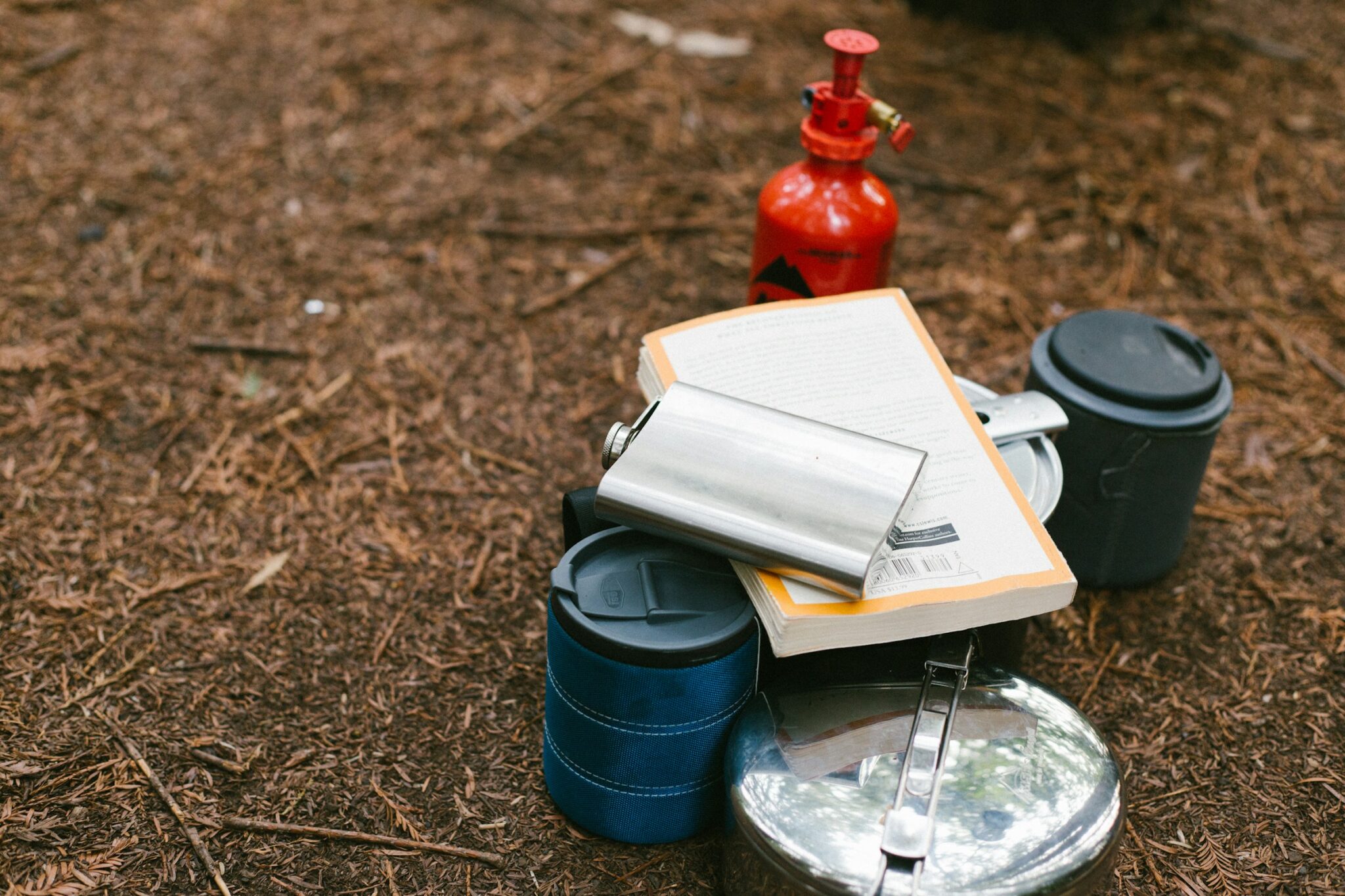
A portable stove is a must-have for your camp kitchen. It lets you cook hot meals easily. Pack a lightweight one with fuel canisters. Don’t forget a good set of pots and pans. A cast iron skillet or dutch oven works well for campfire cooking.
Bring along some basic utensils like a spatula, tongs, and a large spoon. A sharp knife is useful for food prep. A cutting board helps too. Pack matches or a lighter to start your stove or campfire.
For coffee lovers, a portable French press or percolator is great. It makes your morning brew a breeze.
Food Storage and Preservation
A good cooler is crucial for keeping food fresh. Choose one that’s sturdy and well-insulated. Pack it with lots of ice to keep things cold. Use frozen water bottles as ice packs. They’ll melt slowly and give you drinking water later.
Bring airtight containers for leftovers and dry goods. They keep food fresh and safe from critters. Zip-top bags are handy for storing snacks and ingredients.
A bear-proof container is a must if you’re camping in bear country. It keeps your food safe and follows park rules.
Dining Gear
Plates, bowls, and cups are camping essentials. Choose lightweight, durable options like plastic or enamel. Avoid breakable items like glass or ceramic.
Pack enough utensils for everyone. Sporks are great space-savers. They work as both spoons and forks. Don’t forget a few sharp knives for cutting food.
A small washbasin is useful for cleaning dishes. Bring biodegradable soap and a scrubber. Pack a few clean towels for drying.
Consider bringing a folding table if there’s no picnic table at your site. It gives you a clean surface for food prep and dining.
Personal Gear and Clothing
Packing the right clothes and gear is key for a comfy camping trip. You’ll want items that keep you dry, warm, and protected from the elements. Let’s look at what to bring for your outdoor adventure.
Apparel Selection
Start with layering basics. Pack moisture-wicking base layers to keep sweat away from your skin. Bring comfy shirts and pants made of quick-drying fabrics. Don’t forget a warm fleece or wool sweater for chilly nights.
A waterproof jacket is a must to stay dry if it rains. Throw in some shorts for warm days. Pack extra socks to keep your feet dry and blister-free.
Bring a hat to shield you from sun and rain. A swimsuit is great if there’s a lake or river nearby. For cold weather, pack thermal underwear and a warm vest.
Footwear for All Terrain
Your shoes can make or break your camping trip. Sturdy hiking boots give you good ankle support on trails. Make sure they’re broken in before your trip to avoid blisters.
Pack water shoes for crossing streams or wearing at the beach. Bring comfy camp shoes like sandals to give your feet a break at the campsite.
Don’t forget thick socks made of wool or synthetic materials. They help prevent blisters and keep your feet warm. Pack an extra pair in case yours get wet.
Safety and Emergency Prep
Being ready for unexpected situations is key to a fun camping trip. Packing the right safety gear and knowing how to use it can make a big difference if problems come up.
First Aid Essentials
A well-stocked first aid kit is a must-have for any camping adventure. Pack items like bandages, antiseptic wipes, pain relievers, and any personal medications you need. Don’t forget tweezers for splinters and antihistamines for allergic reactions.
Sunscreen is crucial to protect your skin from harmful UV rays. Choose a high SPF and reapply often, especially if you’re swimming or sweating.
Keep your first aid supplies in a waterproof container. This helps protect them from rain or accidental spills. Check expiration dates before each trip and replace any used or outdated items.
Weather Readiness
Weather can change quickly outdoors, so be prepared for anything. Pack rain gear like ponchos or lightweight jackets to stay dry. Bring extra layers for unexpected cold snaps.
A headlamp is essential for nighttime visibility. It keeps your hands free and helps you navigate in the dark. Don’t forget extra batteries!
Pack a reliable fire starter for warmth and cooking. Waterproof matches or a lighter work well. Consider bringing a backup option like a magnesium fire starter for wet conditions.
Stay informed about local weather forecasts. Know the signs of incoming storms and have a plan to seek shelter if needed. Being weather-ready helps you stay safe and comfortable on your camping trip.
Leisure and Entertainment
Don’t forget to pack some fun items for your camping trip! A good book can be your best friend around the campfire. Choose a gripping novel or an inspiring nature guide to enhance your outdoor experience.
Games are perfect for group entertainment. Pack a deck of cards or some compact board games. These can provide hours of laughter and friendly competition when you’re not exploring.
Relaxing is a big part of camping. Bring a comfy camping chair or hammock where you can unwind. Add a cozy blanket for chilly evenings under the stars.
Nature itself offers endless entertainment. Pack binoculars for bird watching or stargazing. A field guide can help you identify plants and animals you spot on hikes.
Consider bringing a small musical instrument like a harmonica or ukulele. Music around the campfire creates unforgettable memories.
Don’t forget a journal and pencils. Writing or sketching can be a peaceful way to record your camping adventures and observations of nature.
The best entertainment often comes from simply being present in nature. Take time to listen to the birds, watch the sunset, and breathe in the fresh air.
Environmental Considerations
Camping can be fun, but it’s important to protect nature too. You can make smart choices to reduce your impact on the environment while still enjoying the outdoors.
Waste Management
Bring biodegradable soap for washing dishes and yourself. It won’t harm plants or animals if it gets in streams or soil. Pack out all your trash, including used toilet paper. Don’t bury it – animals might dig it up.
Use a sponge instead of paper towels to clean up. It’s reusable and creates less waste. If you must use toilet paper, get the kind that breaks down quickly.
Separate your trash into recyclables, compostables, and other waste. Many campgrounds have different bins for each type. If not, take it home to sort properly.
Minimizing Impact
Stay on marked trails when hiking. Walking off-trail can damage plants and disturb wildlife. Set up your tent on durable surfaces like gravel or pine needles, not on fragile vegetation.
Use a camp stove instead of a fire when possible. If you do have a fire, keep it small and in designated fire rings. Only use fallen branches for firewood – don’t cut live trees.
Wash dishes and yourself at least 200 feet away from water sources. Even biodegradable soap can affect water quality. Use as little soap as needed to get clean.
Pick up any litter you see, even if it’s not yours. Leave your campsite cleaner than you found it. Your small actions can make a big difference in preserving nature for others to enjoy.