
The Correct Ways to Use Ratchet Straps: Securing Your Load with Ease
Understanding Ratchet Straps
Ratchet straps are strong, adjustable tools for securing cargo. They come in different types and sizes to fit various needs. Let’s look at the kinds of straps available and their parts.
Types and Sizes of Ratchet Straps
Ratchet straps come in many sizes. You can find short ones for small loads or long ones for big items. The strap width matters too. Wider straps are stronger.
Some common sizes are:
- 1-inch wide: Good for light loads
- 2-inch wide: Great for medium loads
- 3-inch wide: Best for heavy loads
Each strap has a working load limit. This tells you how much weight it can safely hold. The break strength is higher, but you should never load a strap to this point.
Components of a Ratchet Strap
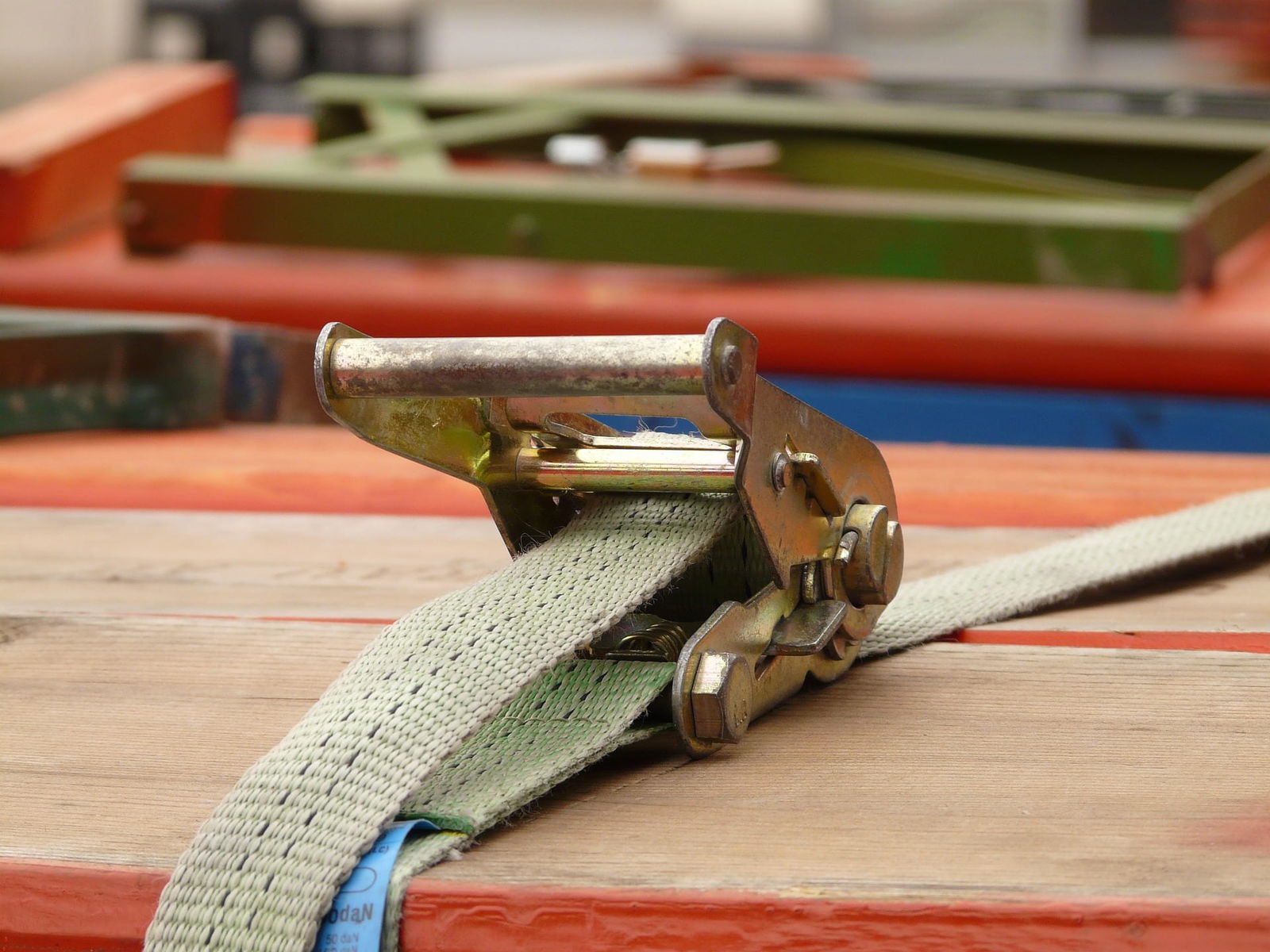
A ratchet strap has several key parts:
- Webbing: This is the long, flat part made of strong polyester.
- Ratchet: The metal device that tightens the strap.
- Hooks: These attach to your cargo or vehicle.
The ratchet has a handle you turn to tighten the strap. Inside, there are teeth that grip the webbing. To loosen the strap, you’ll use a release catch.
Most straps have hooks on both ends. Some have different attachments for special uses. The type of hook can change how you use the strap.
Preparing for Use
Getting your ratchet straps ready is key for safe and effective use. Taking a few simple steps beforehand can prevent problems later on.
Inspecting Ratchet Straps for Damage
Look over your ratchet straps before each use. Check the webbing for cuts, frays, or worn spots. Make sure the metal parts aren’t bent or rusty.
Feel along the full length of the strap. Look for any stiff or weak areas. These could mean hidden damage.
Check that the stitching is intact, especially where the strap meets the metal parts. Loose threads are a red flag.
Test the ratchet mechanism. It should move smoothly and lock securely. If it sticks or feels gritty, don’t use it.
Selecting the Right Ratchet Strap for Your Load
Pick a strap with the right working load limit for your cargo. This limit tells you how much weight the strap can safely hold.
Think about the size and shape of your load. Longer straps work better for bulky items. Wider straps spread the force over a larger area.
Choose straps made for your type of cargo. Some are designed for specific uses, like moving furniture or hauling boats.
Consider where you’ll be using the straps. If they’ll be outside a lot, pick ones that can handle UV rays and moisture.
Store your straps properly when not in use. Keep them dry and out of direct sunlight to extend their life.
Securing Cargo
Ratchet straps are great tools for keeping your load safe during transport. Using them the right way helps make sure nothing shifts or falls off your truck or moving van.
Threading the Strap Through the Ratchet
To start, take the end of your strap and push it through the slot in the ratchet. Pull it tight to remove any slack. Don’t tie knots in the strap – this can weaken it.
Next, crank the ratchet handle back and forth. This will wind up the strap and tighten it. Keep going until the strap feels snug around your cargo. Be careful not to overtighten, as this could damage your items.
When you’re done, close the ratchet handle. It should click into place. Give the strap a tug to make sure it’s locked.
Properly Placing Hooks and Anchor Points
Choose strong anchor points on your truck or trailer. Look for D-rings, tie-down loops, or other built-in fasteners. Avoid weak spots that could bend or break under stress.
Attach the hooks on your straps to these anchor points. Make sure the hooks face outward, away from your cargo. This helps prevent them from coming loose.
Space your straps evenly across your load. The Department of Transportation often requires at least one strap for every 10 feet of cargo. For heavy items, use more straps.
Don’t let straps rub against sharp edges. This can cause wear and tear. Use corner protectors if needed to keep your straps and cargo safe.
Tightening and Releasing Procedurally
Ratchet straps can be tricky to use at first. With practice, you’ll get the hang of tightening and releasing them safely and easily.
Step-by-Step Guide to Tighten a Ratchet Strap
Start by laying the strap over your cargo. Make sure it’s in the right spot.
Grab the end with the ratchet handle. Thread the loose end through the slot in the ratchet. Pull out any slack in the strap.
Now it’s time to tighten. Move the handle up and down. Each time you do this, it will pull the strap tighter. Keep going until the cargo is snug.
Be careful not to overtighten. This can damage your stuff or even break the strap. When it feels tight enough, stop and lock the handle down.
How to Safely Release a Ratchet Strap
When you’re ready to take off the strap, start by finding the release lever. It’s usually on the ratchet handle.
Pull the lever toward you. This will unlock the ratchet. You might hear a click.
Now, open the ratchet all the way. It should make a half-circle shape. This lets the strap move freely.
Pull on the loose end of the strap to remove any leftover tension. The strap should now be easy to remove from your cargo.
If the strap is jammed, don’t force it. Try moving the handle up and down a few times, then try the release lever again.
Maintenance and Storage
Proper care keeps your ratchet straps in good shape. Clean straps last longer and stay strong. Smart storage prevents tangles and damage.
Cleaning and Drying Ratchet Straps
To clean your ratchet straps, lay them flat. Mix soap and water in a spray bottle. Spray the straps and gently scrub with a soft brush. Don’t use harsh cleaners that might harm the material.
Rinse the straps with cold water. Make sure to get all the soap off. Hang them up to dry in a breezy spot. Don’t put wet straps in direct sunlight. The sun can weaken the fibers.
Check the metal parts too. Wipe off any dirt or grime. A light oil on the ratchet helps it work smoothly. Be careful not to get oil on the straps.
Storing Ratchet Straps Correctly
Good storage keeps your straps ready for use. Roll up clean, dry straps neatly. Avoid sharp folds that can weaken the material. You can use rubber bands to hold rolled straps together.
Keep straps in a cool, dry place. Moisture can cause mold and rust. A plastic bin or ziplock bag protects against dust and pests. Don’t store straps near sharp tools that might cut them.
Hang straps on hooks if you have wall space. This prevents tangles and makes them easy to grab. You can even make a simple rack with a towel bar. Label your straps by length or use for quick finding.
Special Uses and Considerations
Ratchet straps can handle many tricky situations beyond everyday hauling. They’re great for unusual loads and tough conditions when used carefully.
Transporting Unusual Objects
Ratchet straps shine when moving oddly-shaped items. For kayaks, thread the strap through the scupper holes and over roof racks. Secure it tightly, but don’t crush the boat.
To haul a tree, wrap straps around the trunk and tie it to your truck bed. Use corner protectors to avoid damaging the bark.
For furniture, cross the straps in an X-pattern. This stops items from sliding. Put soft materials between the strap and delicate surfaces.
When moving cars on trailers, use four straps. Attach them to strong anchor points on the car’s frame. Don’t hook to plastic parts or the wheels.
Environmental Factors Affecting Strap Use
Weather can change how straps work. In rain or snow, straps may loosen as they get wet. Check and tighten them often on long trips.
Strong winds can cause straps to vibrate. This might loosen the buckles over time. Use anti-vibration devices or check straps regularly.
Heat can make straps stretch slightly. In very hot weather, you might need to tighten them more than usual.
Sunlight can weaken straps over time. Store them in a cool, dry place when not in use. Replace straps that show signs of wear or fading.