
How to Organize and Store Your Child’s Growing Wardrobe
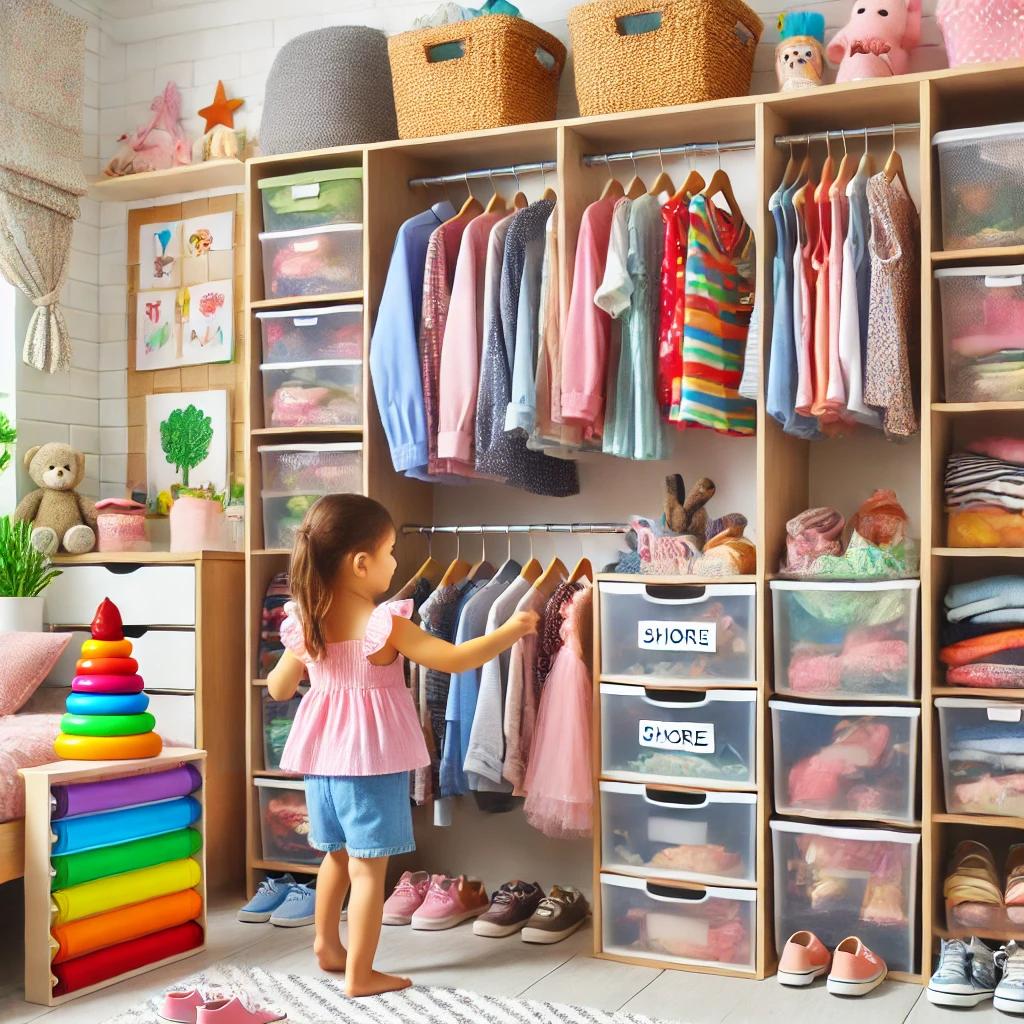
Organizing and storing your child’s growing wardrobe can be a challenging task, but with a few smart strategies, you can keep their clothes in order and easily accessible. Here’s a comprehensive guide on how to effectively manage and store your child’s clothing.
Assess and Declutter
- Regularly Sort Through Clothes:
- Go through your child’s wardrobe regularly, ideally every few months, to identify clothes that no longer fit or are no longer needed. This will help you keep the wardrobe manageable and prevent clutter. It will also allow you to figure out what new clothes are needed and look for appropriate boy and girls clothes.
- Categorize Clothing:
- Divide the clothes into categories: keep, donate, and store. Keep the clothes that fit and are seasonally appropriate. Donate items in good condition that no longer fit. Store clothes that are out of season or can be handed down to younger siblings.
Efficient Storage Solutions
- Use Adjustable Shelving:
- Install adjustable shelves in your child’s closet. These can be repositioned as your child grows, allowing you to customize the space for different types of clothing and accessories.
- Drawer Dividers:
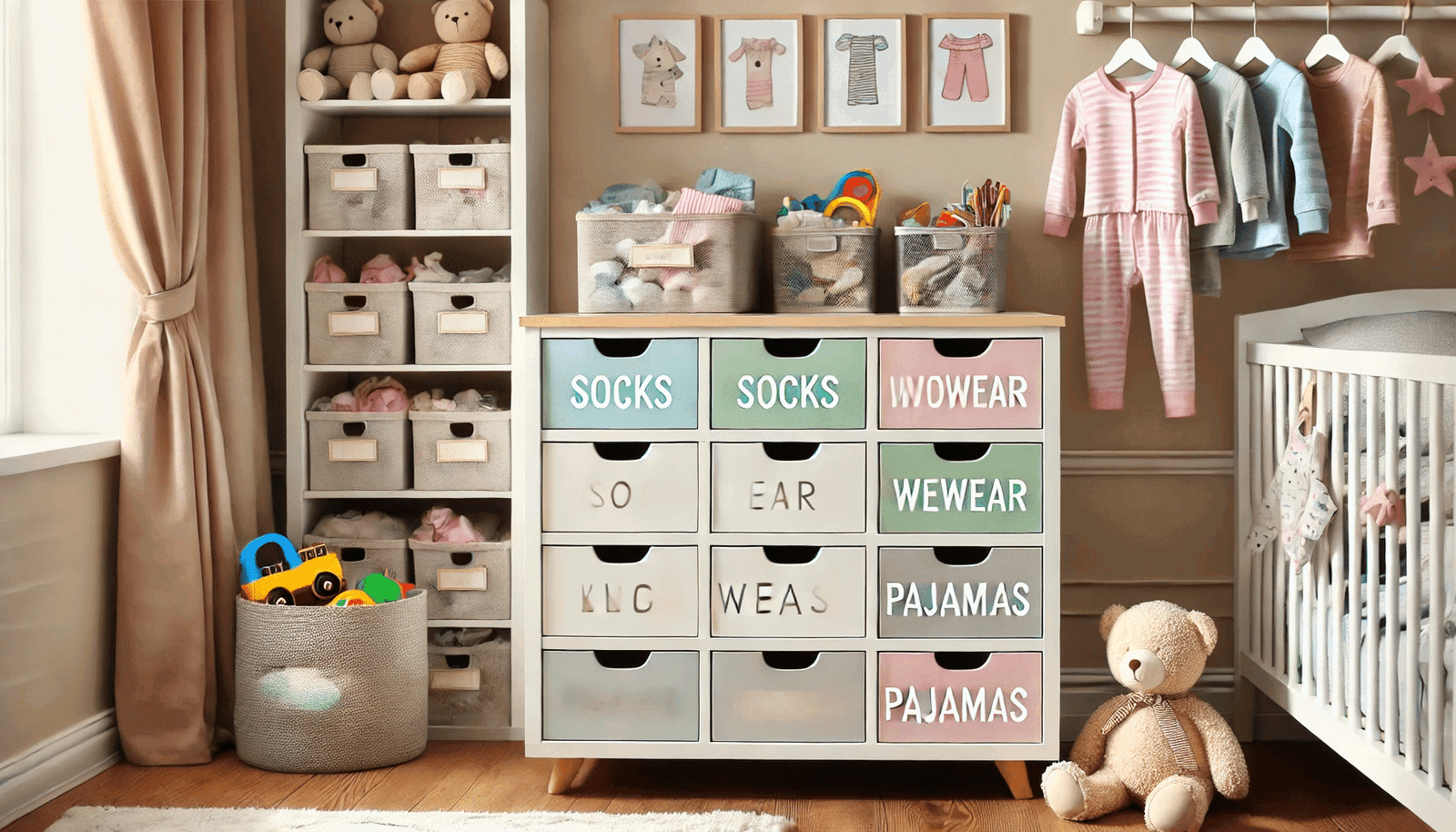
- Use drawer dividers to organize small items like socks, underwear, and accessories. This prevents items from getting mixed up and makes it easier to find what you need.
- Hanging Organizers:
- Hanging organizers with multiple compartments can be used for storing shoes, toys, or folded clothes. They maximize vertical space and keep items easily accessible.
- Baskets and Bins:
- Use labeled baskets or bins for different categories of clothing, such as t-shirts, pants, and pajamas. Clear bins allow you to see the contents easily, while labeled bins make it simple for your child to help with tidying up.
Seasonal Rotation
- Store Off-Season Clothes:
- Rotate clothes according to the season. Store off-season clothes in labeled bins or vacuum-sealed bags to save space. Place these bins on high shelves or under the bed.
- Easy Access to Current Season:
- Keep current-season clothes within easy reach. Arrange them in a way that allows your child to easily access their daily wear without having to rummage through other items.
Space-Saving Tips
- Use Slim Hangers:
- Slim, non-slip hangers take up less space and keep clothes from falling off. This helps you fit more items into the closet without overcrowding.
- Double Hanging Rods:
- Install a second hanging rod in the closet to create more hanging space. This is particularly useful for smaller clothes that don’t require full-length hanging.
- Stackable Storage:
- Stackable storage bins or drawers can be a great way to utilize vertical space in the closet or under the bed. They can be easily rearranged as your storage needs change.
Encourage Independence
- Child-Friendly Height:
- Store frequently used items at a height your child can reach. This encourages them to dress themselves and helps them take responsibility for their own belongings.
- Simple Labels:
- Use picture labels for younger children who can’t read yet. This helps them understand where things go and encourages them to keep their space organized.
Maintain Organization
- Daily Routine:
- Establish a daily routine for tidying up. Spend a few minutes each day organizing the wardrobe, which helps maintain order and prevents mess from accumulating.
- Teach Your Child:
- Involve your child in the organizing process. Teach them how to fold clothes, hang them up, and put items back in their designated spots. This not only helps keep things organized but also teaches valuable life skills.
Conclusion
Organizing and storing your child’s growing wardrobe can be manageable with regular decluttering, efficient storage solutions, and seasonal rotation. By implementing these strategies, you can create a functional and organized space that adapts to your child’s needs as they grow. Encouraging your child to participate in the process will also foster independence and responsibility, making it easier to maintain order in the long run.